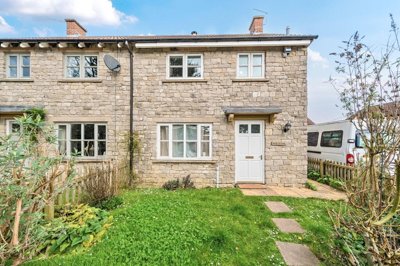
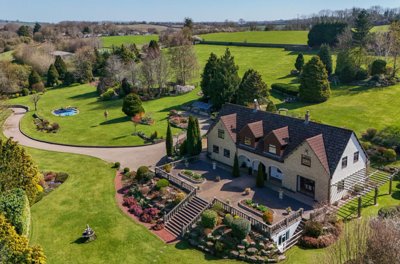
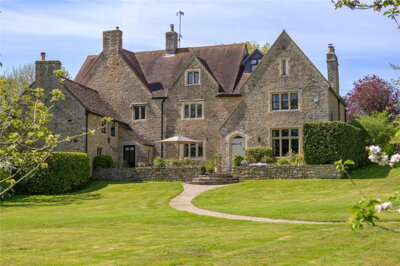
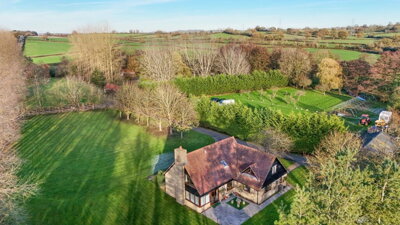
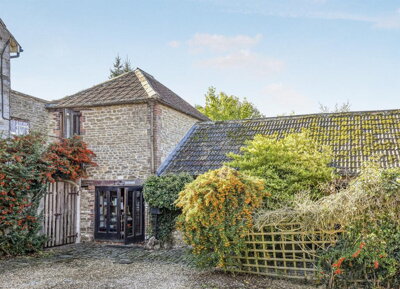
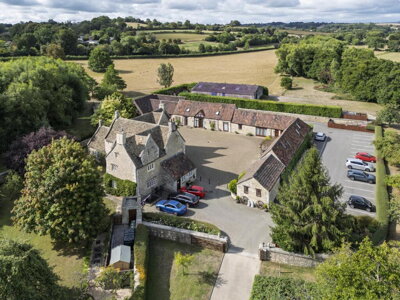
Selwood's character is defined by its rich heritage and proximity to the vibrant town of Frome, creating a desirable blend of rural parish life and urban convenience. The area contains numerous listed buildings, including Selwood Lodge on the northern edge of Frome, a Grade II listed house built in 1825 featuring distinctive honey-hued stone construction and a fishscale-tiled roof. Selwood Manor, a Jacobean country house built in 1742, showcases exposed beams, leaded windows, and original flooring, exemplifying the period properties that characterise this sought-after location.
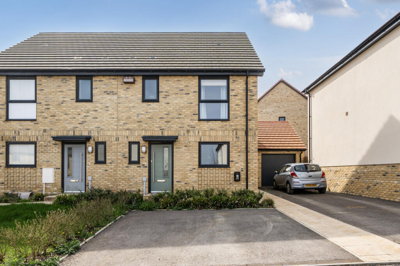
The geology of the Selwood area reflects Somerset's diverse landscape, with limestone prevalent in traditional buildings throughout the parish. Properties in conservation areas, particularly along Selwood Road, benefit from protected status but require careful consideration for any modifications or renovations. The local housing stock mixes very old properties predating 1919 with mid-century homes built between 1936 and 1979, particularly evident in developments like Selwood Crescent where mid-century houses predominate.
For families considering the area, schooling options rank among the best in the region, with nearby choices including All Hallows Prep, Downside, Warminster, Wells Cathedral, and Bruton Schools, plus access to Bath's prestigious options like Prior Park and Monkton Combe. The population of the Selwood civil parish stood at 798 in 2011, though this figure has likely grown as the area's popularity has increased. Transport links serve the area well, with Frome station providing rail connections and the A361 offering road access to larger centres including Bath and Bristol.
The character of Selwood Road itself deserves special mention for anyone considering a purchase in the area. This thoroughfare contains a particularly attractive Grade II listed cottage featuring an inglenook fireplace and a period range, representative of the architectural heritage that makes this part of Somerset so desirable. The street sits within a designated conservation area, meaning any modifications to properties require careful consideration and often listed building consent, preserving the historic character that attracts buyers in the first place.










 Forest Marble
-11d ago
Forest Marble
-11d ago