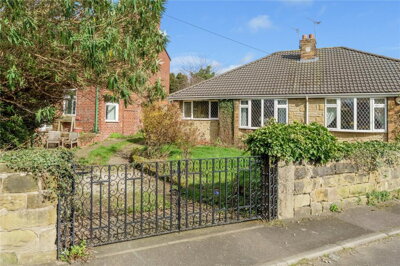
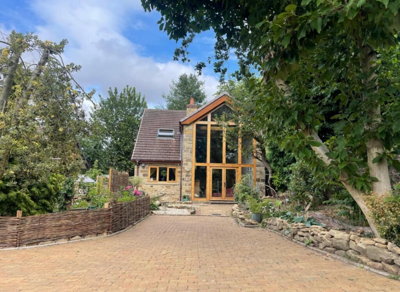
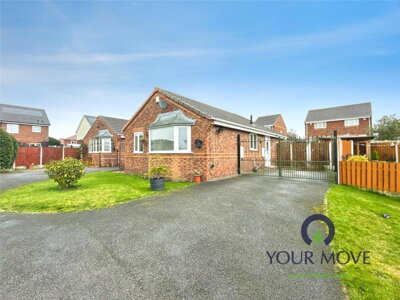
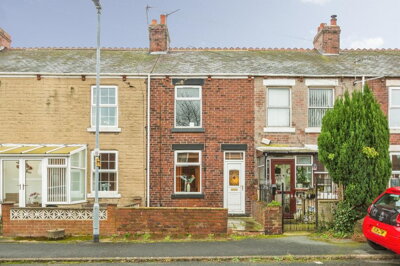
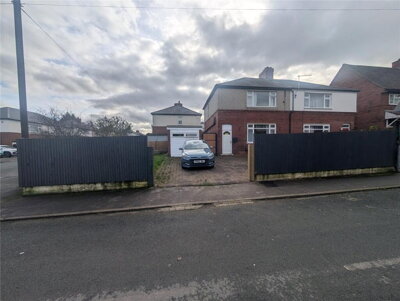
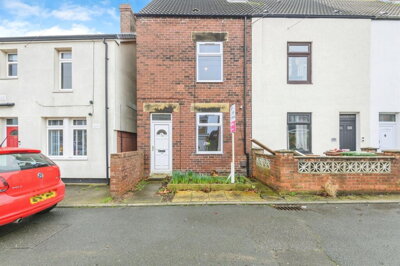
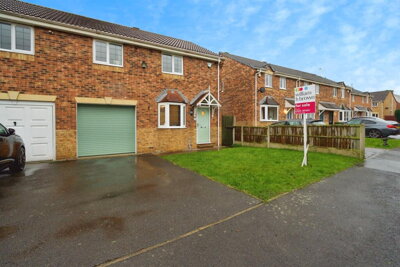
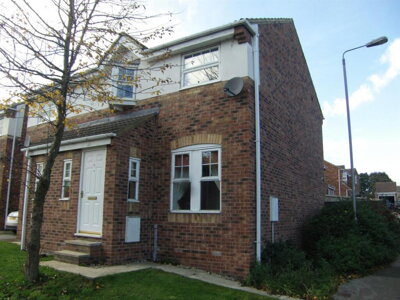
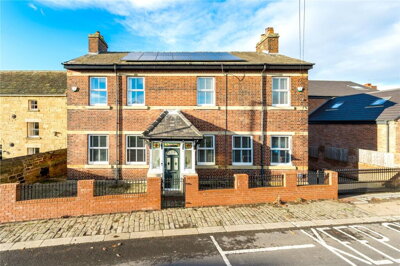
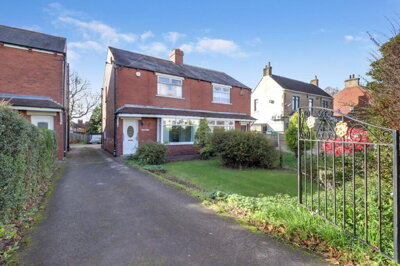
Ryhill is a village of approximately 4,000 residents with around 1,700 households, situated in the metropolitan borough of Wakefield, West Yorkshire. The village retains its distinct character while benefiting from proximity to larger urban centres. Housing stock reflects the region's mining heritage, with approximately 25% of properties dating from the pre-1919 period, giving the area a wealth of characterful period homes. A further 20% were constructed between 1919 and 1945, with the majority of housing (40%) built during the post-war period through to 1980.
The local geology presents important considerations for property owners and buyers. Ryhill sits on Carboniferous rocks, specifically coal measures, with superficial deposits including glacial till and clay soils. This clay substrate creates a moderate to high shrink-swell risk, meaning foundations can be affected by soil moisture changes during extreme weather periods. Properties with shallow foundations or those near large trees may experience movement, making thorough surveys particularly valuable in this area. The historical coal mining activity in the region adds another layer of consideration, with ground stability issues occasionally arising despite modern stabilisation efforts.
Transport links make Ryhill attractive to commuters, with the village offering access to major road networks connecting to Wakefield and Barnsley. Local employment has diversified from the former coal mining industry to include retail, services, and light industrial sectors in the wider district. The population demographics show a mix of long-established families and new arrivals drawn by affordable housing and the village's peaceful setting while maintaining easy access to larger employment centres.
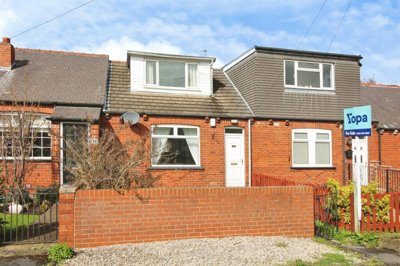
Properties in Ryhill predominantly feature brick construction, often red brick, typical of the Yorkshire region. Some older properties may incorporate local stone elements, though this is less common than brick. Roofs are typically tiled, often with concrete or clay tiles. Traditional cavity wall construction applies to properties built post-1920s, with solid wall construction for older Victorian and Edwardian homes.











 Yopa
-4d ago
Yopa
-4d ago