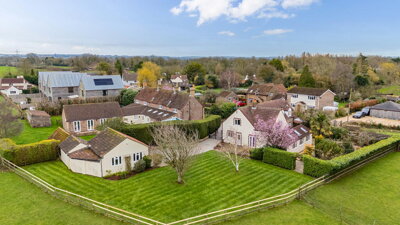
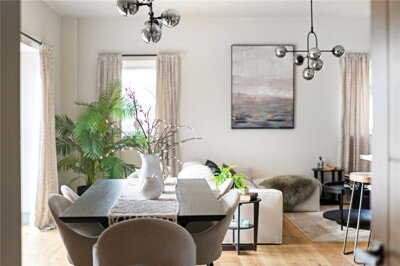
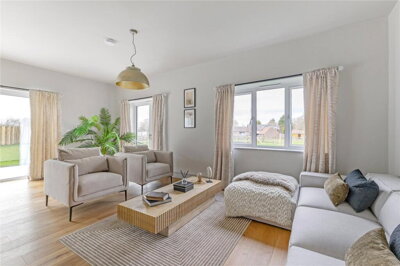
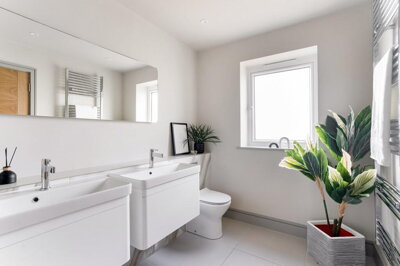
Rangeworthy is a village and civil parish in South Gloucestershire, situated between the market towns of Yate and Chipping Sodbury, with the city of Bristol approximately 12 miles to the west. According to the 2021 Census, the village has a population of 832 residents across 324 households, making it a tight-knit community where local knowledge and word-of-mouth recommendations carry significant weight. The village maintains a rural character while benefiting from excellent transport connections, with the M4 and M5 motorways both accessible within a short drive, making it popular with commuters working in Bristol, Bath, or further afield.
The geology of Rangeworthy presents specific considerations for property owners and buyers. The local area sits atop the Mercia Mudstone Group, characterised by clay-rich soils that can pose a moderate shrink-swell risk, particularly during periods of extreme wetness or dry weather. This clay geology means that foundations of older properties may be susceptible to movement, and prospective buyers should pay particular attention to any signs of subsidence or structural movement when viewing properties. The superficial deposits of Head comprising clay, silt, sand, and gravel over the bedrock add further complexity to ground conditions that are typical of the South Gloucestershire countryside.
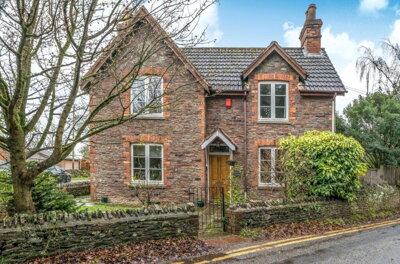
Flood risk in Rangeworthy is generally low from rivers and the sea, though certain localized areas face moderate to high risk of surface water flooding, particularly around roads and lower-lying ground. Property buyers should inquire about specific flood history for any property they are considering, especially those in lower-lying parts of the village. The presence of several Grade II listed buildings, including Rangeworthy Court, The Old Rectory, and various farmhouses and cottages, reflects the historical significance of the area and means that certain properties may be subject to planning restrictions that affect renovation options.
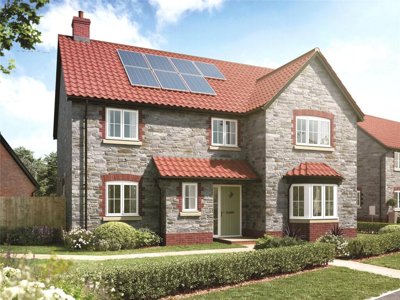
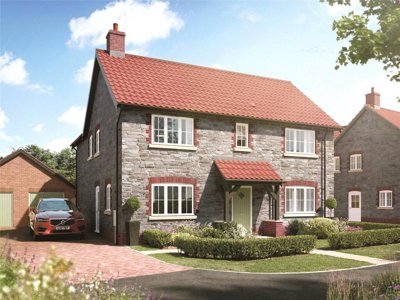
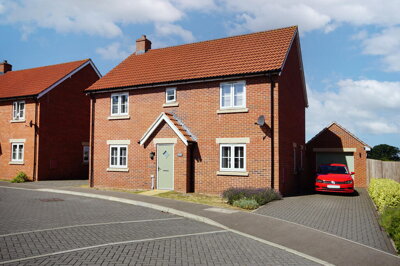
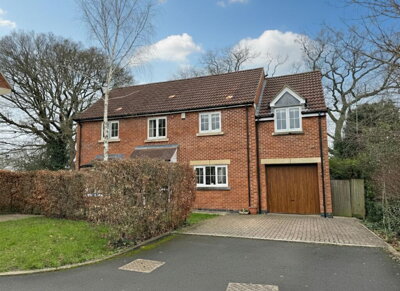
The predominant construction materials in Rangeworthy and the wider South Gloucestershire area consist of traditional brick, often in red brick, with some properties featuring local stone and rendered finishes. Many older properties will have timber-framed roofs and suspended timber floors, while more modern constructions use contemporary cavity wall techniques. Given that a significant proportion of properties are likely over 50 years old, with numerous period homes dating from the 17th century onwards, prospective buyers should factor in the potential for age-related maintenance issues including damp, roof deterioration, and outdated electrical and plumbing systems.











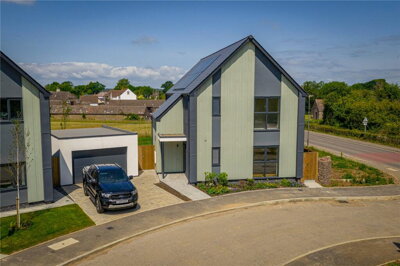
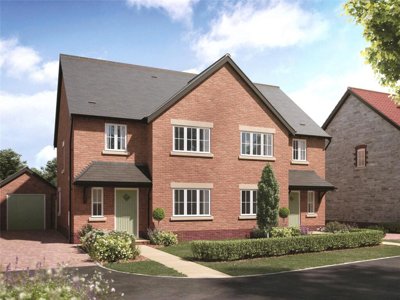 New Build
 Andrews Estate Agents
-16d ago
Andrews Estate Agents
-16d ago