
£649,950
Apartment, 3 bed
OX2 8QF
£649,950
Apartment, 3 bed
OX2 8QF

Compare local agents for an Oxford home, using sold-price evidence from 531 recent sales







Oxford sold prices average £474,000, with homedata.co.uk records showing a 0.8% rise over the year to March 2026. That small uplift hides sharp differences between detached homes, terraces and flats. A seller on a red-brick terrace near the city core needs a different pricing plan from an owner of a Headington limestone-fronted house or a flat competing with new apartments at Canalside Quarter. We help you compare agents on evidence, not sales patter.
The gap between property types is wide in Oxford. Detached homes average £966,000, semi-detached homes sit at £586,000, terraced houses average £465,000, and flats average £287,000. Asking prices are running higher than completed sale prices, with home.co.uk showing an overall average asking price of £622,393 in May 2026. That makes valuation discipline important, especially when overall asking prices have moved -2.3% over 6 months.

£474,000
Average Sold Price
531
Sales in Last 12 Months
+0.8%
12-Month Price Change
£966,000
Detached Average
£586,000
Semi-Detached Average
£465,000
Terraced Average
£287,000
Flat Average
Using listing data from home.co.uk and property data from homedata.co.uk
Oxford is not a single-price market. Recent completed sales place the average at £474,000, yet the detached average of £966,000 is more than 3 times the flat average of £287,000. That difference matters when agents set guide prices in areas with red-brick terraces, Headington limestone facades and newer apartment blocks. A good valuation should explain the comparable evidence by property type, not just quote the city average.
Price movement has been modest overall, with Oxford up 0.8% between March 2025 and March 2026. Detached homes rose by 1.2%, so larger houses have held their ground slightly better than the wider market. Flats moved the other way, falling by 5.1% over the same period. Sellers of flats need to watch pricing carefully, particularly where buyers compare older flats with new 1, 2 and 3 bedroom apartments at Canalside Quarter in OX2 8AL and OX2 8QF.
Current asking prices add another layer. home.co.uk shows the overall average asking price at £622,393 in May 2026, far above the £474,000 average completed sale price. Detached asking prices average £731,972, while flats average £291,583. The asking-price figure has also changed by -2.3% over 6 months, so sellers should challenge any valuation that ignores recent price resistance.
Transaction volume gives a sense of depth. There were 531 completed sales in the last 12 months, enough activity for meaningful local comparison but not enough to justify lazy pricing. A terraced house at £465,000, a semi-detached home at £586,000 and a townhouse near Canalside Quarter at £910,000 or more all sit in different buyer pools. The best agent for an Oxford seller is one who can separate those pools before launch.
Based on 990 live listings with an average asking price of £606,406.
Source: home.co.uk
See which agents are selling fastest and at the best prices in Oxford.
Compare Estate Agents FreeOxford recorded 531 completed sales in the last 12 months, with activity spread across houses, terraces, flats and maisonettes. The city’s housing stock includes solid-walled red-brick terraces, older homes with lime mortar and soft brick, and properties with Headington limestone facades. Those details can affect marketing because buyers often want to understand maintenance, energy performance and likely survey findings before they offer. Strong presentation helps, but correct pricing does more of the work.
New-build activity gives buyers extra choice. Canalside Quarter by The Hill Group, in OX2 8AL and OX2 8QF, includes 1, 2 and 3 bedroom apartments plus 3, 4 and 5 bedroom townhouses. Apartment prices there range from £409,950 to £554,950, while townhouses run from £910,000 to £1,635,000. Resale sellers nearby need an agent who can explain how an older Oxford home compares with fresh stock, incentives and new-home specifications.
Blackbird Leys has a different new-build picture. The Aviary by Peabody on Knights Road, OX4 6QD, includes 2-bedroom Shared Ownership houses from £98,250 for a 25% share of £393,000, with deposits from £11,490. That type of scheme changes buyer affordability at the lower end of the market. It can also pull attention away from some smaller resale homes if their pricing is too close to new shared ownership options.
Property type sets the starting point. Flats average £287,000, terraces average £465,000, semi-detached homes average £586,000 and detached homes average £966,000. A good agent should know which buyers are comparing flats against Canalside Quarter apartments and which are looking at larger family houses in established Oxford streets. Ask for the evidence in writing.

Oxford housing is shaped by its materials. Solid-walled red-brick terraces are common, and Headington limestone facades give some streets a distinct local appearance. Older homes often use lime mortar, soft brick, suspended timber floors and timber-framed windows. These features can be a selling point, but they also need careful explanation in the brochure and viewing discussion.
Construction detail matters during a sale. Breathable materials such as lime mortar behave differently from modern cement-based repairs, especially in older Oxford homes. If a property has suspended timber floors or older timber-framed windows, buyers may ask about ventilation, damp management and maintenance. A good estate agent should anticipate those questions before the survey report arrives.
Ground conditions add another local issue. Oxford sits on clay and limestone geology, with alluvial deposits in parts of the area. The ground is susceptible to seasonal shrinkage and swelling, which can influence buyer questions about cracking, movement and drainage. Sellers should not panic, but they should choose an agent who understands how to present survey-sensitive homes without making vague promises.
Flood and ground-risk conversations need a practical tone. Oxford’s alluvial deposits mean some buyers will ask direct questions before committing to a sale. The right agent will not try to brush that aside, especially for older properties with soft brick or lime mortar. They should know when to suggest supporting paperwork, historic repair evidence or a specialist survey before a chain becomes fragile.
Oxford’s average sold price of £474,000 means fee differences can become meaningful very quickly. A high-street agent charging around 1.5% + VAT would cost far more in cash terms than a fixed-fee online model, particularly on a semi-detached home averaging £586,000 or a detached property averaging £966,000. Fee is only one part of the decision. The real test is whether the agent can protect the sale price through valuation, negotiation and buyer qualification.
Online agents can suit sellers who are confident handling viewings, chasing feedback and managing parts of the process themselves. That route can work better where the property is straightforward and the price is clearly supported by recent sales. Oxford is not always that simple. A flat affected by the 5.1% annual fall, or a townhouse competing with Canalside Quarter pricing, needs a sharper launch plan than a generic advert.
High-street agents often provide more hands-on support with viewings, offer handling and chain progression. That can help with older Oxford homes where surveys may mention lime mortar, timber floors or seasonal ground movement. The extra fee can be justified if the agent improves the achieved price or reduces the risk of a fall-through. Ask them to explain their plan for your exact property type before you sign.
Hybrid models sit between fixed-fee online service and traditional agency. Some sellers use them for a lower upfront cost while still getting local support. Check the contract carefully, especially tie-in periods, withdrawal fees and the cost of extras such as enhanced photography. In a market where asking prices have moved -2.3% over 6 months, flexibility is useful.

Ask at least 2-3 agents to value your Oxford home, then compare how each valuation relates to the £474,000 city average and the correct property type average. A detached house at £966,000 should not be priced using flat comparables.
Ask each agent for completed sales near your property, not just current asking prices from Oxford listings. homedata.co.uk records show 531 recent sales, so there should be relevant evidence for many property types.
Press agents on the difference between detached growth of 1.2% and flat movement of -5.1%. A seller of a flat near newer apartment stock needs different advice from an owner of a terraced house averaging £465,000.
Estate agent fees in England often sit between 1-3% + VAT, with the average near 1.5% + VAT. Sole agency tie-ins are often 8-16 weeks, so check the notice period before agreeing.
Ask how the agent will photograph materials such as Headington limestone, red brick, timber windows and older interior details. The plan should include floorplans, buyer screening and a launch price backed by evidence.
Set a clear review date after launch, especially if viewings are slow or offers come in below guide price. Oxford asking prices have changed by -2.3% over 6 months, so stale pricing can cost more than an early adjustment.
Treat the first valuation as a proposal, not a fact. Ask every agent to show how your home compares with Oxford’s £474,000 average sold price, your property type average, and the recent movement in your part of the market. A high valuation may sound attractive, but it can lead to price cuts if it ignores the -5.1% movement in flats or the gap between asking and sold prices.
Oxford pricing needs a narrow target. The overall average sold price is £474,000, but that figure is too broad for many homes. A terraced house averaging £465,000 sits close to the city average, while a semi-detached home at £586,000 sits well above it. Detached homes at £966,000 need a premium-market strategy and a smaller pool of qualified buyers.
Flats need particular care in 2026. The average flat and maisonette price is £287,000, and that segment fell by 5.1% over the year to March 2026. At the same time, home.co.uk shows average flat asking prices at £291,583 in May 2026. That close relationship between asking and sold averages can make overpricing more visible to buyers.
Terraced homes are a core part of the Oxford market. Solid-walled red-brick terraces can photograph well, especially where original brickwork, timber windows or older proportions are presented cleanly. Yet older construction can trigger survey comments, so the agent should prepare buyers for the realities of soft brick, lime mortar and suspended floors. Clear wording helps avoid surprises after offer.
Larger houses require buyer qualification before viewings. Detached homes average £966,000, while Canalside Quarter townhouses are marketed from £910,000 to £1,635,000. Buyers at this level will compare resale space, specification, parking and condition against new-build options. An agent should know how to handle those comparisons without cutting the price too quickly.
Canalside Quarter is a major reference point for Oxford sellers near OX2 8AL and OX2 8QF. The Hill Group scheme includes apartments and larger townhouses, so it touches both the flat market and the premium house market. Apartments start from £409,950 and rise to £554,950. Townhouses start from £910,000 and reach £1,635,000, which overlaps with the upper end of resale housing.
New homes can reset buyer expectations. Fresh kitchens, warranties and modern layouts are easy to understand, so an older resale home needs a different pitch. Oxford’s older housing stock often has red brick, lime mortar, soft brick and timber floors, which can be valuable when presented properly. The agent’s job is to explain the difference rather than pretend every buyer will see it for themselves.
The Aviary at Knights Road in Blackbird Leys, OX4 6QD, affects a different buyer group. Peabody’s 2-bedroom Shared Ownership houses start from £98,250 for a 25% share of £393,000, with deposits from £11,490. That price structure can influence buyers who are comparing affordability rather than full open-market value. Sellers in OX4 need pricing advice that recognises those shared ownership alternatives.
New-build competition does not mean resale homes are weaker. It means the marketing has to be sharper. A resale terrace at £465,000, a flat at £287,000 or a semi-detached home at £586,000 needs a clear reason for the buyer to choose it. Condition, location within Oxford, floor area and likely survey outcomes all need to be dealt with before the first offer lands.
Good Oxford marketing starts with the right comparison set. A flat should be compared with other flats and maisonettes, not with terraced homes at £465,000. A semi-detached home at £586,000 needs evidence from similar houses, not a generic city average. The agent should also explain how the 0.8% overall rise affects your launch price.
Photography should reflect local construction. Headington limestone facades, red-brick terraces and timber-framed windows need clean, honest presentation. Older materials can look excellent in photos, but they should not be oversold in a way that causes survey friction later. Strong agents balance presentation with accuracy.
Viewings need more than a quick tour. Buyers may ask about suspended timber floors, lime mortar, soft brick repairs or seasonal movement on clay and limestone ground. An agent who knows the answers can keep confidence in the sale. If they avoid every technical question, the buyer may wait for the survey and renegotiate.
Offer handling is where local market knowledge becomes money. With 531 recent sales and asking prices down -2.3% over 6 months, buyers may test sellers with lower bids. The best response is evidence, not emotion. Your agent should know which comparable sales support your position and where compromise may be sensible.
Most traditional estate agents in England charge between 1-3% + VAT, with many sellers seeing fees near 1.5% + VAT. On an Oxford home at the £474,000 average, that can be a significant cost. On a detached home averaging £966,000, the cash difference between 1% and 1.8% is even larger. Ask for the full fee in pounds as well as the percentage.
Fixed-fee online agents usually cost around £999-£1,999. That can look attractive beside percentage fees, but the service level can be different. Sellers may need to handle viewings, chase feedback or manage more of the process. For a flat in a falling segment, or an older home with lime mortar and timber floors, those tasks can take time.
Sole agency contracts often run for 8-16 weeks. Oxford sellers should check the tie-in, notice period, withdrawal fee and whether VAT is included in the quoted fee. A long tie-in can become frustrating if the launch price is wrong or viewings are poor. Put the review plan in writing before instruction.
Multi-agency can increase exposure, but it usually costs more. It may be considered for a property that has struggled, or for a seller with a fixed deadline. In Oxford, the decision should still come back to evidence from the £474,000 average market and the correct property type band. Higher fees need a clear reason.
990 properties currently listed across Oxford. Here are the most recently added.
£649,950
Apartment, 3 bed
OX2 8QF
£649,950
Apartment, 3 bed
OX2 8QF
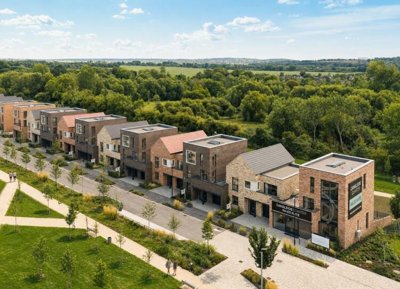
£549,950
Apartment, 2 bed
LADY WHITE CRESCENT, OX2 8QF
£549,950
Apartment, 2 bed
LADY WHITE CRESCENT, OX2 8QF
 Fk
-2d ago
Fk
-2d ago
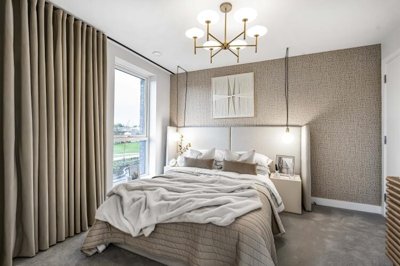
£899,000
Terraced, 4 bed
OX2 8JP
£899,000
Terraced, 4 bed
OX2 8JP
Fk
-2d ago
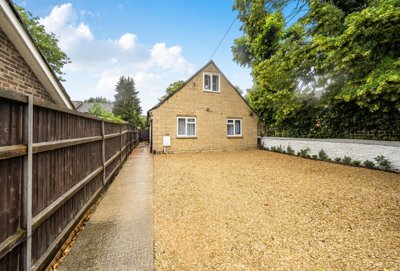
£900,000
Bungalow, 5 bed
Barton Road, OX3 9JE
£900,000
Bungalow, 5 bed
Barton Road, OX3 9JE
 Andrews Estate Agents
-2d ago
Andrews Estate Agents
-2d ago
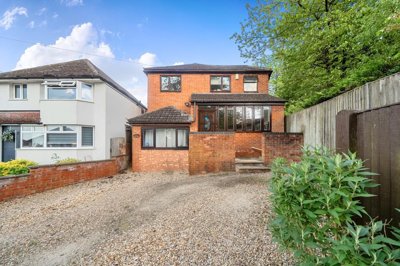
£730,000
Detached, 5 bed
OX3 8HF
£730,000
Detached, 5 bed
OX3 8HF
 Chancellors
-2d ago
Chancellors
-2d ago
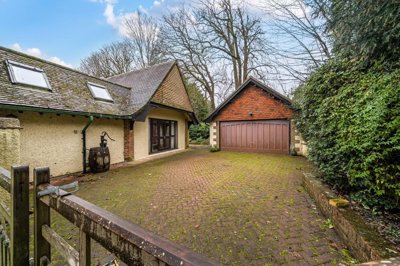
£775,000
Cottage, 3 bed
OX3 0DU
£775,000
Cottage, 3 bed
OX3 0DU
Chancellors
-2d ago
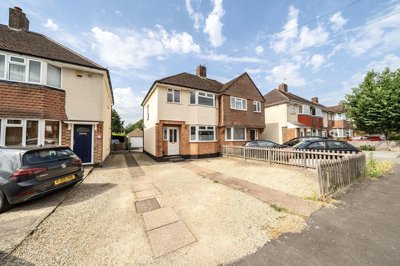
£475,000
Semi-Detached, 3 bed
Bodley Road, OX4 3UA
£475,000
Semi-Detached, 3 bed
Bodley Road, OX4 3UA
 Chancellors
-2d ago
Chancellors
-2d ago
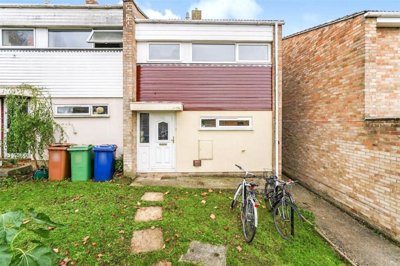
£425,000
Semi-Detached, 3 bed
Turner Close, OX4 2UA
£425,000
Semi-Detached, 3 bed
Turner Close, OX4 2UA
 Scottfraser
-2d ago
Scottfraser
-2d ago
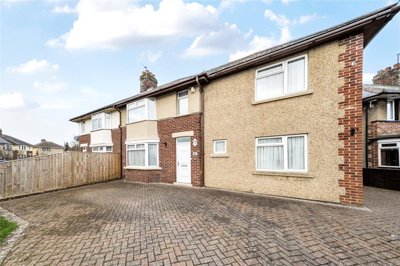
£680,000
Semi-Detached, 4 bed
OX4 3NW
£680,000
Semi-Detached, 4 bed
OX4 3NW
Scottfraser
-2d ago
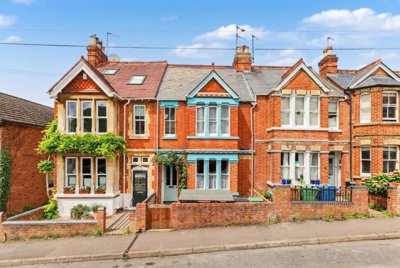
£750,000
Terraced, 3 bed
Bedford Street, OX4 1SU
£750,000
Terraced, 3 bed
Bedford Street, OX4 1SU
 Chamberlain Evans
-2d ago
Chamberlain Evans
-2d ago
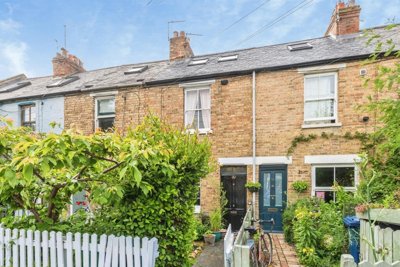
£525,000
Terraced, 3 bed
Percy Street, OX4 3AD
£525,000
Terraced, 3 bed
Percy Street, OX4 3AD
 Allen & Harris
-2d ago
Allen & Harris
-2d ago
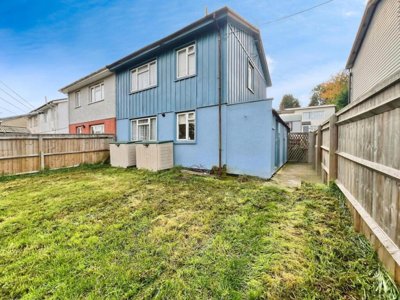
£280,000
Semi-Detached, 3 bed
Bassett Road, OX3 9PF
£280,000
Semi-Detached, 3 bed
Bassett Road, OX3 9PF
 Davis Tate
-3d ago
Davis Tate
-3d ago
Get free, no-obligation valuations from the top-performing local agents. Compare fees, services, and track records before you decide.
Compare Agents FreeStart with 2-3 valuations and ask each agent to explain the evidence behind the price. Oxford’s average sold price is £474,000, but detached homes average £966,000 and flats average £287,000, so the right comparison set matters. Check fees, contract length, marketing quality and how the agent handles survey issues linked to older red-brick or limestone-fronted homes.
Yes, but only slightly overall. homedata.co.uk records show Oxford sold prices rose by 0.8% in the year to March 2026. Detached homes rose by 1.2%, while flats fell by 5.1%, so the answer depends heavily on property type.
Oxford has a varied housing stock, including solid-walled red-brick terraces, Headington limestone facades and newer homes at Canalside Quarter. Older properties often use lime mortar, soft brick and suspended timber floors. The local geology includes clay, limestone and alluvial deposits, so buyers may ask more detailed survey questions than in simpler housing markets.
Traditional estate agent fees in England often range from 1-3% + VAT, with many quotes near 1.5% + VAT. Online agents often charge fixed fees of around £999-£1,999. On an Oxford home at £474,000, small percentage differences can mean thousands of pounds, so compare both fee and service.
Online agents may suit confident sellers with a straightforward property and clear local evidence. High-street agents can be useful for older Oxford homes where viewings, surveys and chain progression need more hands-on work. Hybrid agents sit between the two, but contract terms vary, so read the details carefully.
Sole agency agreements are often 8-16 weeks. In Oxford, that should be paired with a review point because asking prices have changed by -2.3% over 6 months. Avoid signing a long tie-in unless the agent has shown clear comparable evidence and a practical marketing plan.
The valuation should include recent sold prices, the correct property type average and the condition of your home. For example, a terraced house should be assessed against the £465,000 terraced average, not the detached average of £966,000. If your home has lime mortar, soft brick or timber floors, the agent should also discuss survey sensitivity.
They can. Canalside Quarter in OX2 has apartments from £409,950 to £554,950 and townhouses from £910,000 to £1,635,000. The Aviary in Blackbird Leys has 2-bedroom Shared Ownership houses from £98,250 for a 25% share of £393,000, which may affect affordability comparisons in OX4.
We recommend getting 2-3 free valuations before choosing an agent. Compare the suggested price, the fee, the tie-in period and the evidence behind each recommendation. A valuation that cannot explain Oxford’s £474,000 average sold price and your property type band should be treated with caution.
Overpricing is a common cause, especially where asking prices sit above completed sale evidence. Survey questions can also slow older homes with soft brick, lime mortar, suspended timber floors or signs of movement on clay and limestone ground. A prepared agent should deal with these issues before they become a renegotiation.
From £399
A mid-level survey suited to many conventional Oxford houses and flats
From £599
A detailed survey for older, altered or higher-value Oxford homes
From £69
Required energy certificate before marketing most homes for sale
From £250
RICS valuation for Help to Buy repayment or staircasing cases
Estate Agents In London

Estate Agents In Plymouth

Estate Agents In Liverpool

Estate Agents In Glasgow

Estate Agents In Sheffield

Estate Agents In Edinburgh

Estate Agents In Coventry

Estate Agents In Bradford

Estate Agents In Manchester

Estate Agents In Birmingham

Estate Agents In Bristol

Estate Agents In Oxford

Estate Agents In Leicester

Estate Agents In Newcastle

Estate Agents In Leeds

Estate Agents In Southampton

Estate Agents In Cardiff

Estate Agents In Nottingham

Estate Agents In Norwich

Estate Agents In Brighton

Estate Agents In Derby

Estate Agents In Portsmouth

Estate Agents In Northampton

Estate Agents In Milton Keynes

Estate Agents In Bournemouth

Estate Agents In Bolton

Estate Agents In Swansea

Estate Agents In Swindon

Estate Agents In Peterborough

Estate Agents In Wolverhampton

Compare local agents for an Oxford home, using sold-price evidence from 531 recent sales
Find AgentsHomemove is a trading name of HM Haus Group Ltd (Company No. 13873779, registered in England & Wales). Homemove Mortgages Ltd (Company No. 15947693) is an Appointed Representative of TMG Direct Limited, trading as TMG Mortgage Network, which is authorised and regulated by the Financial Conduct Authority (FRN 786245). Homemove Mortgages Ltd is entered on the FCA Register as an Appointed Representative (FRN 1022429). You can check registrations at NewRegister or by calling 0800 111 6768.

We use cookies to show you personalised content and improve your experience of our website. Find out more in our Privacy policy and Cookie policy.