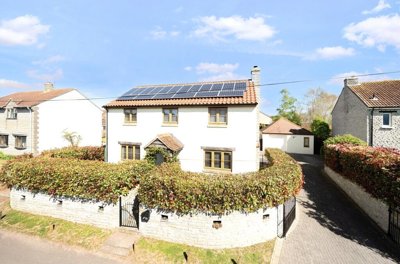
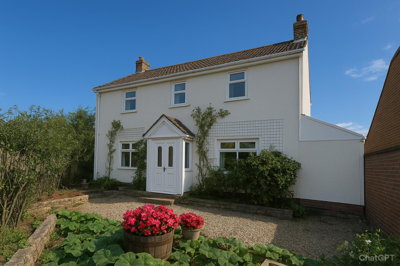
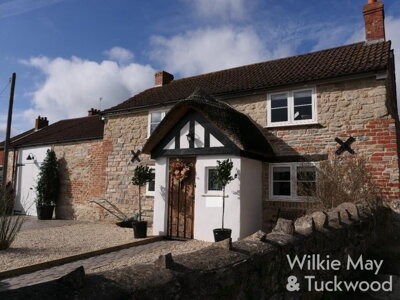
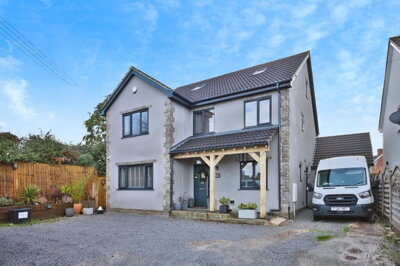
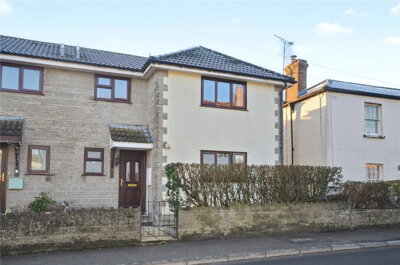
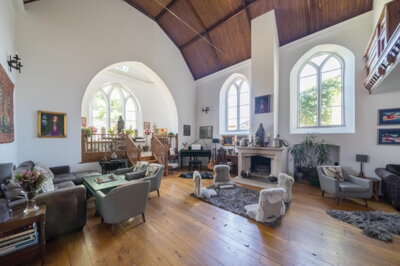
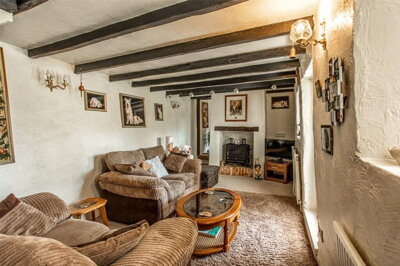
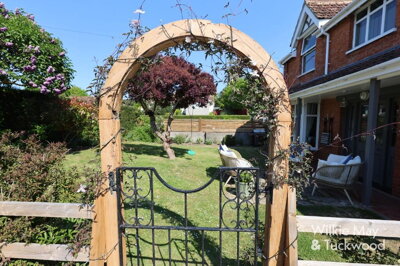
Othery sits within the Somerset Levels and Moors, a distinctive low-lying landscape characterised by alluvial deposits, clay, and peat soils. The village maintains a population of approximately 600-700 residents across roughly 250-300 households, creating an intimate community atmosphere where neighbours know one another and local events draw consistent participation. The village centre centres around St Michael's Church and the historic core, with several listed buildings contributing to the area's architectural heritage and conservation value.
The local geology presents important considerations for property owners and buyers. The combination of clay and peat soils creates a moderate to high shrink-swell risk, meaning properties may experience ground movement during periods of drought or heavy rainfall. This geological characteristic makes it particularly important for buyers to commission thorough structural surveys, especially for older properties with potentially shallow foundations. Properties with mature trees nearby face additional risk from root systems drawing moisture from clay soils, potentially causing foundation movement. The high water table and low-lying nature of the land also contribute to damp issues in some properties, a common defect identified in the local housing stock.
Flood risk is a significant factor in the Othery area, with the village located within the flood plain of the River Parrett and its tributaries. Both fluvial flooding from the river and surface water flooding are genuine concerns, particularly during winter months and after periods of sustained rainfall. Properties in lower-lying areas may require appropriate flood resilience measures, and buyers should investigate flood risk thoroughly before committing to a purchase. This environmental factor does influence property values and buyer appetite in certain parts of the village.
Transport connectivity defines much of Othery's appeal to commuters. The village benefits from proximity to the M5 motorway, with access via Bridgwater approximately 8 miles away, enabling reasonable commuting times to Bristol, Exeter, and Taunton. Rail connections are available at Bridgwater and Taunton stations, while local bus services provide connections to larger settlements. Many residents commute to employment centres in the nuclear sector at Hinkley Point C, retail, and public services in nearby towns, making the village popular with working professionals and families alike.










 Greenslade Taylor Hunt
-1d ago
Greenslade Taylor Hunt
-1d ago