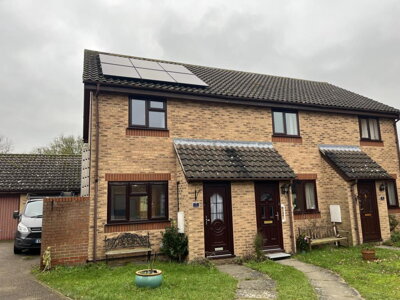
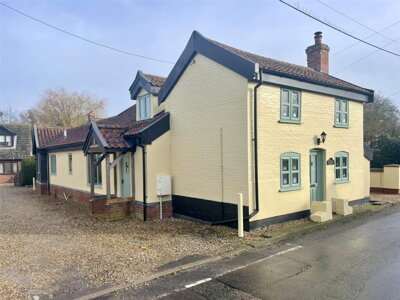
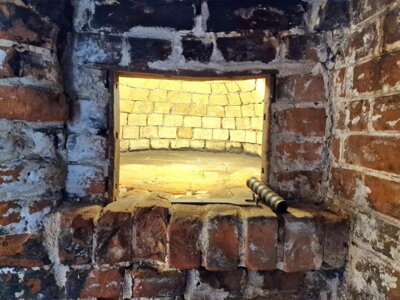
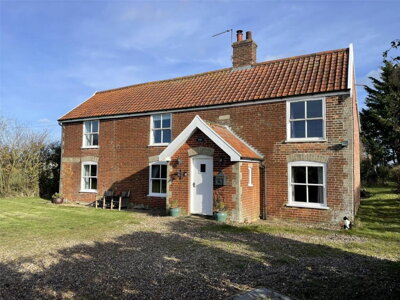
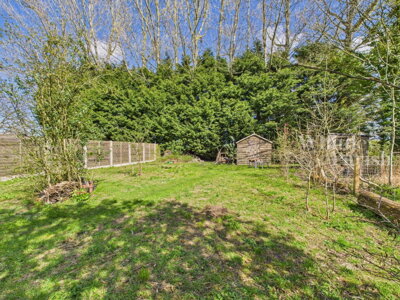
Occold embodies the classic Suffolk village character, with a population of approximately 520 residents spread across a compact settlement. The village centre centres around The Street, Church Street, and The Causeway, where you'll find the Beaconsfield Arms public house, St Michael's Church, and a primary school serving local families. The surrounding countryside comprises productive agricultural land, with the flat topography typical of this part of Suffolk creating extensive views across the farmland that defines the area's rural character. This peaceful setting attracts buyers seeking escape from urban life, though the village's amenities are limited compared to nearby towns.
Prospective buyers should note the significant surface water flooding risk that affects parts of Occold. The village's flat nature, combined with high run-off from surrounding fields, creates substantial overland flowpaths during periods of intense rainfall. Church Street, Mill Road, The Street, and The Causeway all face medium to high risk of pluvial flooding, with approximately six properties suffering internal flooding during Storm Babet in October 2023. The Environment Agency rates river flood risk as low, but buyers should factor this environmental consideration into their property searches and surveys. Properties in affected areas may require specific insurance arrangements and flood resilience measures.
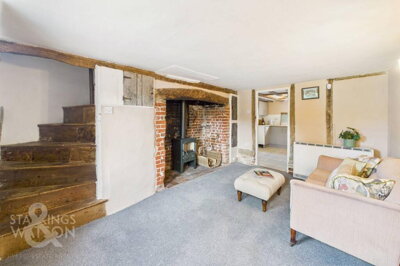
The local geology presents additional considerations for property owners in Occold. The heavy clay soils common in this area are susceptible to shrink-swell movement, which can affect foundations, particularly in older properties. The presence of numerous timber-framed buildings, some dating back to the C17, means that potential buyers should arrange thorough surveys that can identify any structural issues related to movement or timber defects. Properties in Occold typically feature traditional construction methods including plaster or render over timber frames, with some properties retaining original thatched roofs. The moated site northeast of Occold Hall represents a scheduled monument, indicating the archaeological significance of certain plots in the village.












 Durrants
-7d ago
Durrants
-7d ago