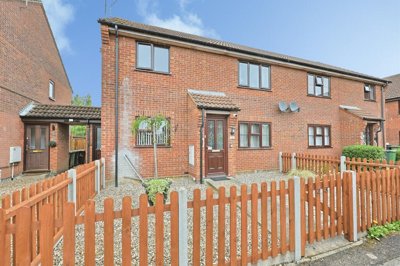
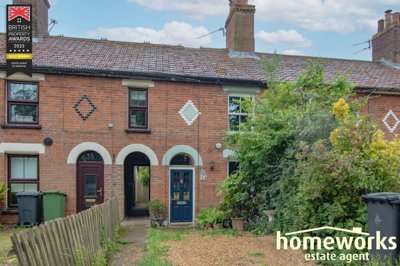
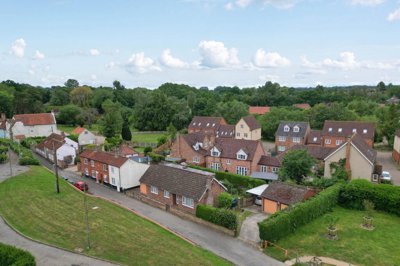
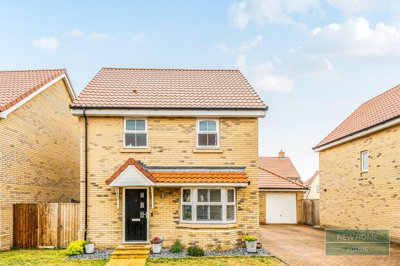
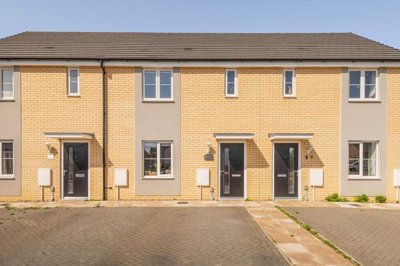
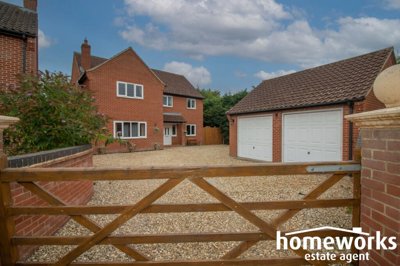
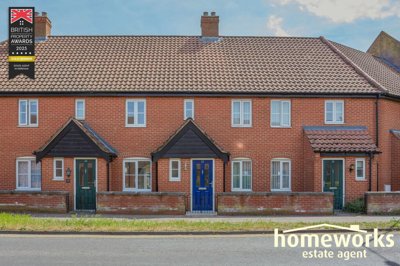
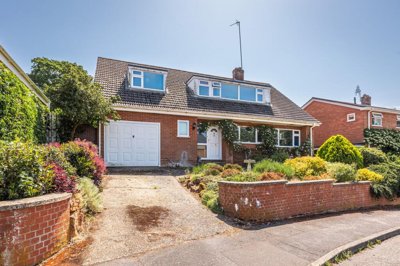
Dereham has a clear local identity shaped by its housing mix and its heritage buildings. The town has 111 listed buildings, including The Guildhall and Dereham Maltings, and it also has a Conservation Area. Red brick is common across the town, with gault brick, pantiles, flint and timber frame appearing in older properties and local historic buildings. That variety gives sellers more to think about, because presentation and survey issues can differ from one part of town to another.
Demographics also affect the market. The built-up area population was estimated at 21,393 in 2024, while the 2021 Census recorded 20,785. Ownership patterns lean towards owner occupation, with 43.2% owning outright and 27.1% holding a mortgage, compared with 32.5% and 28.8% across England. Private renting sits at 16.4%, below the national 20.6%, so many buyers arrive looking for a long-term home rather than a short-term stop.
Flood risk is a real local point to check before you list. Neatherd Moor and Dereham Basin are regularly at risk of flooding, the Wendling Beck corridor towards Worthing is a flood warning area, and the Toftwood to Dereham underpass below the A47 has a known drainage problem. A valuation that ignores those details will miss the mark, especially where buyers ask about insurance or access after heavy rain. Norfolk County Council has also investigated flooding in Dereham, which underlines how local this issue is.
Transport and employment shape demand too. The A47 gives the town a useful road connection, and businesses including Flagship Housing and Zip Industries add local economic weight. Dereham’s economic activity rate for working-age residents is 56.5%, below the East of England figure of 61.8% and the England figure of 60.9%. That can influence who is buying, from local movers to households trading up from nearby villages. The strongest agents read that pattern properly.
- 111 listed buildings
- The Guildhall
- Dereham Maltings
- Neatherd Moor flood risk
- A47 access
- Flagship Housing
- Zip Industries
- 56.5% economic activity rate











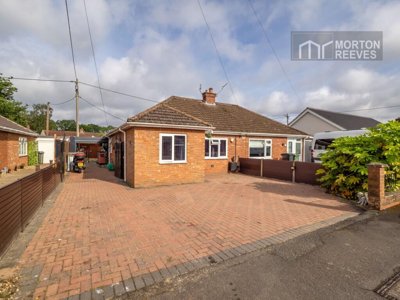
 Morton Reeves Estate Agents
-2d ago
Morton Reeves Estate Agents
-2d ago