Meifod sits in the heart of Powys, a largely agricultural community where the local economy revolves around farming, small businesses, and tourism. The village has a population of approximately 1,000 to 1,200 residents spread across roughly 400 to 500 households. This tight-knit community offers a peaceful rural lifestyle while maintaining connections to larger market towns. Commuting to Welshpool or Oswestry for employment is common, with these towns offering broader job opportunities and amenities.
The village itself features a small selection of local amenities including a primary school, village hall, and traditional pub, serving the day-to-day needs of residents. The surrounding countryside offers excellent walking opportunities, with the River Vyrnwy providing scenic routes popular with residents and visitors alike. The annual Meifod Show brings the agricultural community together, reflecting the area's farming heritage and rural character that continues to define property values in the village.
The underlying geology of Meifod presents important considerations for property buyers. The area sits on Silurian and Ordovician sedimentary rocks including shales, mudstones, and sandstones, with superficial deposits of glacial till in some areas. Properties built on clay-rich soils face a moderate to high shrink-swell risk, meaning foundations can be affected by extreme wet or dry conditions. Our inspectors regularly identify subsidence concerns in properties built on these clay deposits, particularly where foundations may be shallow or where mature trees are located near buildings.
Flood risk is a genuine consideration near Meifod, with the River Vyrnwy flowing close to the village. Properties immediately adjacent to the river and its tributaries face susceptibility to river flooding, while low-lying areas can experience surface water flooding during heavy rainfall. The government's flood map shows specific risk zones along the river corridor, and we always recommend buyers request flood risk assessments before proceeding. Properties in higher positions offer more protection, though surface water can affect even elevated sites during extreme weather events.
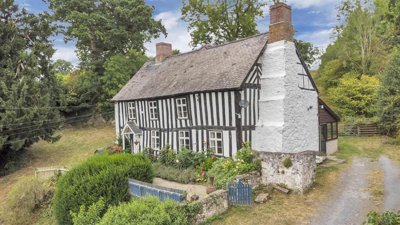
The village contains several listed buildings reflecting its historical character, including traditional farmhouses, cottages, and the parish church. While Meifod itself is not a designated conservation area, individual listed buildings receive protection. Properties of historical significance may require specialist surveys beyond a standard RICS Level 2, and buyers should factor potential renovation restrictions into their decision-making. We can arrange RICS Level 3 Surveys for listed properties that provide the detailed assessment these unique buildings require.










 Daniel James Residential
-14d ago
Daniel James Residential
-14d ago