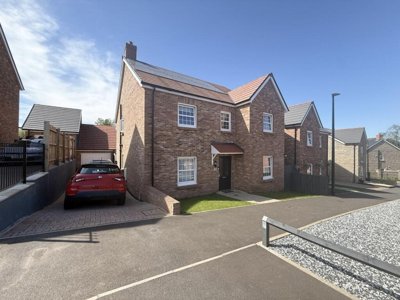
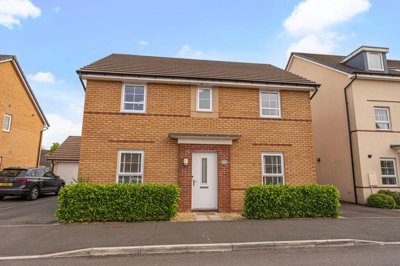
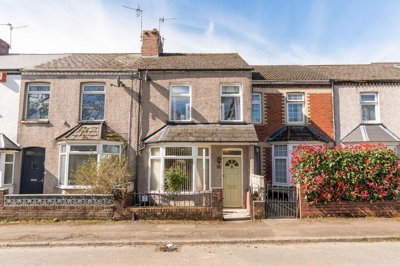
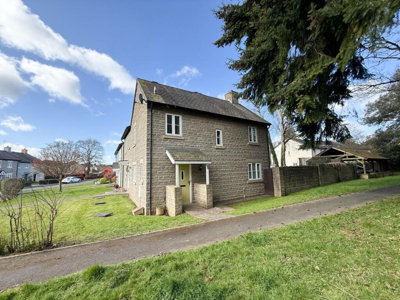
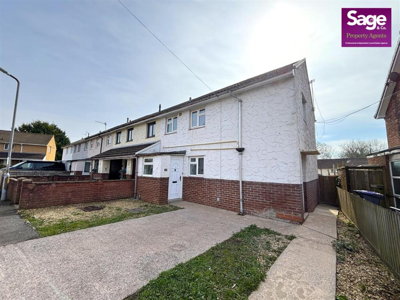
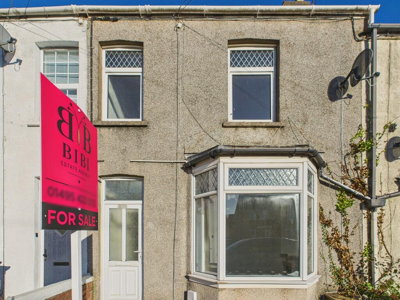
Llantarnam occupies a distinctive position as a village within Torfaen County Borough, combining historical character with modern accessibility. The community has grown significantly, with population increasing from 4,125 in 2011 to 4,974 in the 2021 Census, with estimates suggesting numbers have reached approximately 5,297 by 2024. This growth reflects the area appeal as a residential location, driven by its balance of rural charm and connectivity to larger employment centres in Cardiff and Bristol via the M4 motorway.
The village centre revolves around Llantarnam Abbey, a historic site that anchors the conservation area designation covering the village. This conservation status preserves special architectural and historic interest, with additional controls over development and works to trees. Around the abbey, several listed buildings create architectural interest, including the Church of Saint Michael and All Angels, The Greenhouse Public House, and various period structures within the abbey grounds. The presence of these heritage assets contributes to the area character and desirability.
Local geography presents important considerations for property owners. The River Lwyd flows through the village, and while flood risk is generally low for most properties, the area experienced significant flash flooding in May 2014 when 25 properties suffered internal flooding due to culvert overloads and surface water flows. A flood risk assessment for Llantarnam Primary School confirms very low river and tidal flood risk, though a small area along the western boundary shows low-to-high surface water risk. Properties in lower-lying areas should consider these factors when purchasing.
The local economy benefits from the Llantarnam Business Park, providing employment opportunities within the village. Cwmbran, the neighbouring town, offers additional employment across manufacturing, healthcare, and retail sectors. Torfaen county borough hosts over 2,165 businesses, with the public sector employing approximately 40% of workers in public administration, health, and education. This economic stability supports the housing market by providing employment opportunities that attract and retain residents.










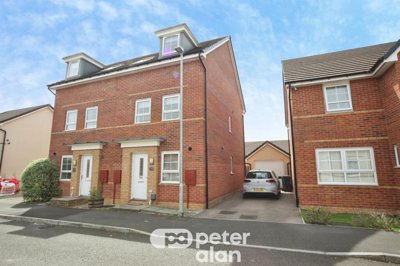
 Peter Alan
-2d ago
Peter Alan
-2d ago