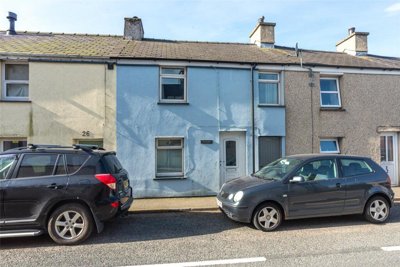
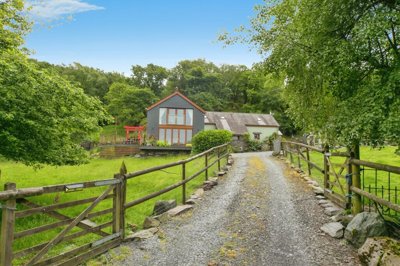
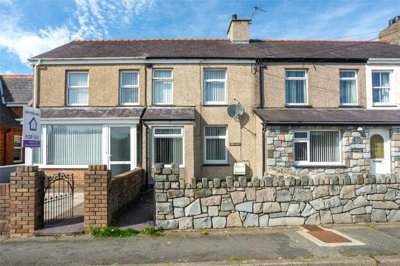
Llanddeiniolen is a thriving community situated in the historic county of Gwynedd, North Wales, with a population of approximately 2,096 residents according to the 2021 Census. The village sits amid the rolling hills and mountain scenery that characterise this part of Snowdonia, offering residents a tranquil rural lifestyle while remaining well-connected to larger towns. The local economy draws from agriculture, tourism, and public services, with proximity to Bangor and Caernarfon providing additional employment opportunities in retail, education, and healthcare.
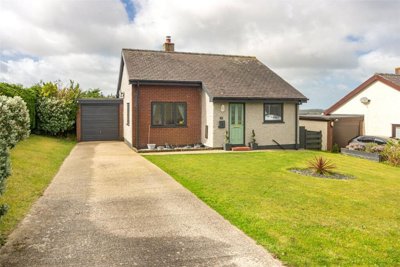
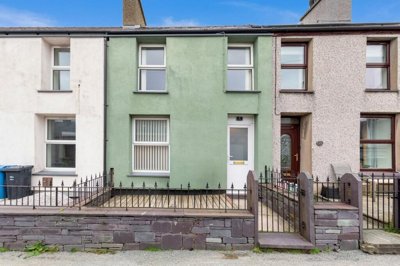
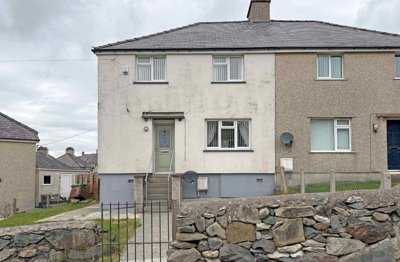
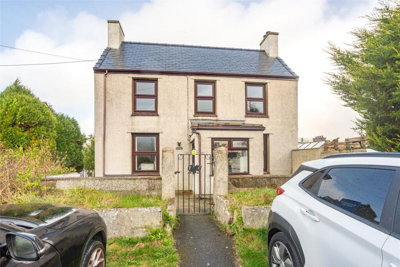
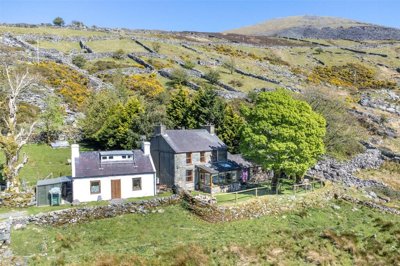
The geology of Llanddeiniolen is predominantly underlain by Ordovician and Cambrian sedimentary rocks, including slates and grits, which have historically informed local building materials. Properties in the area commonly feature local stone, slate, and rendered finishes, giving the village its distinctive Welsh character. The area generally presents low to moderate shrink-swell clay risk, though localized pockets may exist where glacial till dominates. Flood risk is generally low, with the village away from major river systems and coastal exposure.
Transportation links serve the community through the nearby A5 corridor and regional bus routes connecting to Bangor and Caernarfon. The Welsh language remains a significant cultural element in the community, with a high proportion of Welsh speakers maintaining the region's linguistic heritage. Local amenities include schools, shops, and traditional pubs, while the surrounding countryside offers excellent opportunities for walking, climbing, and outdoor pursuits that attract both residents and visitors to the area.
Buyers should be aware of potential environmental factors affecting properties in the region. While Llanddeiniolen itself is not a major historical mining area, parts of Gwynedd have a history of slate quarrying, and localized ground instability related to historical workings could be a consideration in some specific locations. Additionally, certain areas of North Wales, including parts of Gwynedd, can have higher radon potential, meaning testing and mitigation may be required for some properties. Our team can advise on these considerations when you request a property survey.










 Dafydd Hardy
-5d ago
Dafydd Hardy
-5d ago