Littlebourne is a rural parish situated on the outskirts of Canterbury, Kent, with a population of approximately 1,656 residents according to 2024 estimates, representing growth from 1,603 recorded in the 2021 Census and 1,529 in 2011. The village sits within the Little Stour valley, bisected by the Little Stour river, and is characterised by gently undulating farmland on shallow, lime-rich soils over chalk geology. The Nailbourne, an ephemeral watercourse that flows into the upper reaches of the Little Stour, has historically caused flooding in the village, particularly during winter months, leading to improvements to channel capacity and culverts following significant flooding events in 2000 and 2001.
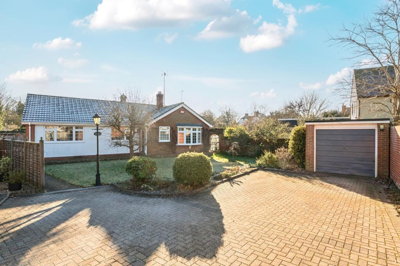
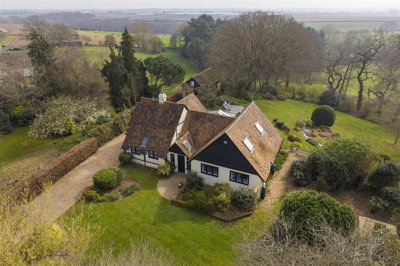
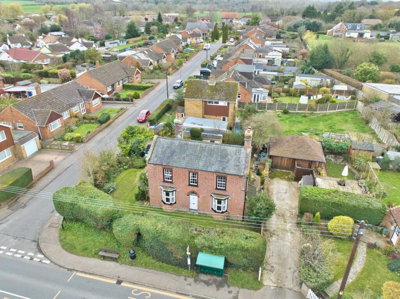
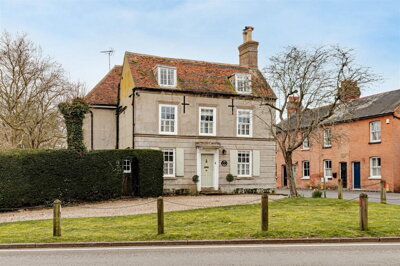
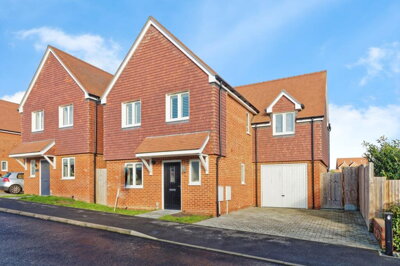
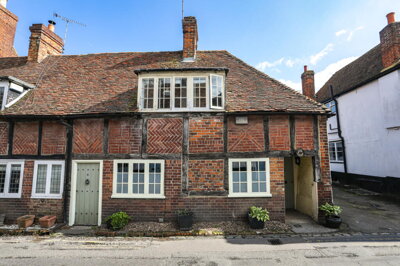
The village's built environment reflects its long history, with 60 listed buildings recorded in the National Heritage List for England, including two Grade I listed structures, one Grade II*, and fifty-seven Grade II listed buildings. Notable heritage assets include the 14th-century Littlebourne Barn, a remarkable timber-framed thatched aisled barn with oak tree trunk supports, and the Church of St Vincent, both Grade I listed. Littlebourne Court House, an 18th-century property, demonstrates the use of cement render grooved to imitate masonry, while older properties on the High Street feature painted brick with old tiled roofs and tile-hung elevations. The village maintains a Conservation Area, and planning applications within this area require a Heritage Statement, reflecting the local planning authority's commitment to preserving the village's character.
From a geological perspective, Littlebourne sits on chalk geology which is generally permeable to surface water, though the presence of lime-rich soils suggests some clay content. The broader Kent region is identified as susceptible to shrink-swell subsidence, particularly in clay-rich soils that expand and contract with moisture changes. The British Geological Survey has warned of increasing threat of such subsidence damage in London and the South East due to climate change, making it a consideration for property owners, particularly those with older buildings on shallower foundations. Flood risk remains a factor, with the village part of the "Little Stour at Littlebourne, Ickham and Wickhambreaux" flood warning area, where flooding can occur from direct watercourses, rising groundwater, emerging springs, and surface water runoff from surrounding hills and valleys.
Transport links serve the village primarily through the A257 road, connecting Littlebourne to Canterbury and the wider road network. The village's proximity to Canterbury makes it attractive to commuters, though the proposed Gladman development was criticised for lacking proposals for increased local employment, suggesting many residents currently travel to Canterbury or beyond for work. Local amenities include provisions for daily needs, with the broader Canterbury area offering comprehensive shopping, educational, and healthcare facilities. The village maintains a rural character while benefiting from its connection to a larger urban centre, creating a balance that continues to attract families and retired residents alike.











 Charles Bainbridge
-11d ago
Charles Bainbridge
-11d ago