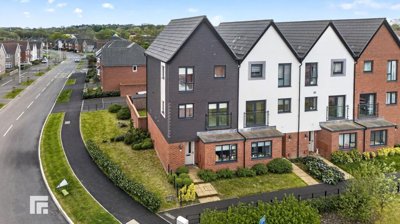
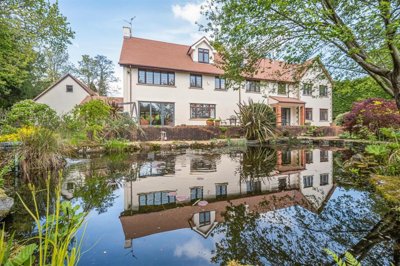
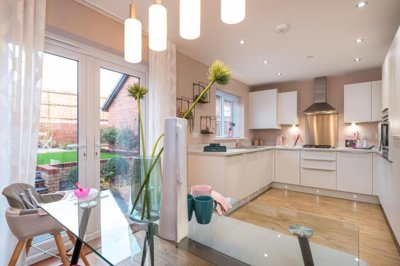
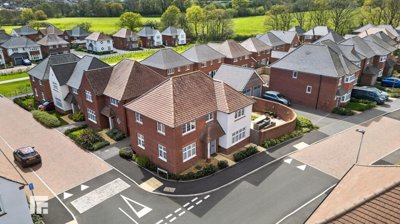
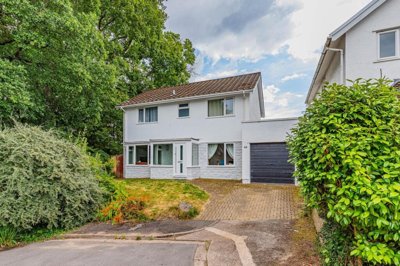
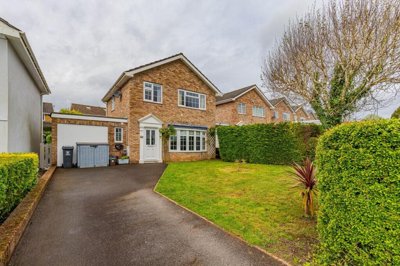
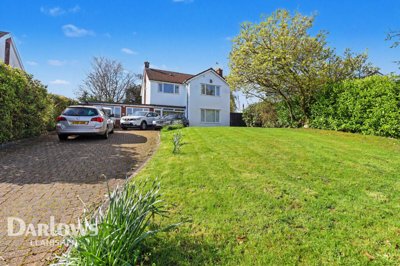
Lisvane is an ancient parish that has evolved into one of Cardiff's most desirable residential areas. The population has grown from 3,319 in 2001 to an estimated 4,686 in 2024, with the 2021 census recording 3,845 residents across approximately 1,396 households. The area maintains a village feel with local shops, pubs, and community facilities, while the proximity to Cardiff city centre provides easy access to broader amenities, employment, and entertainment options.
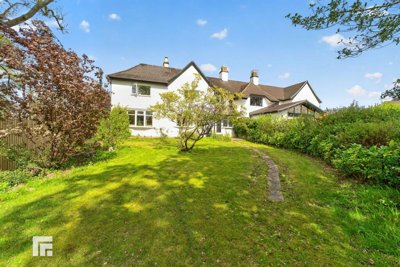
The geology of Lisvane presents important considerations for property owners and buyers. The area sits on the lowland south-eastern margins of the South Wales Coalfield Basin, with exposed bedrock including mudstones, sandstones, and limestones. Red clayey soils over mudstones dominate, and these clay-rich soils carry a shrink-swell risk that can cause foundation movement during periods of drought or excessive rainfall. Properties with mature trees nearby may be particularly susceptible to these ground conditions, and a thorough survey is advisable when purchasing period properties.
Local geology also influences construction materials, with Cardiff historically built using Triassic stones including the distinctive purplish marl, sand, and conglomerate rocks. Radyr Stone, quarried locally, has been used extensively, while Devonian sandstones from the Brecon Beacons and Liassic limestone from the Vale of Glamorgan feature in older properties. Many residential areas constructed in the early 20th century used Pennant stone with Bath stone dressings, giving Cardiff its characteristic architectural heritage.











 Mgy
-5d ago
Mgy
-5d ago