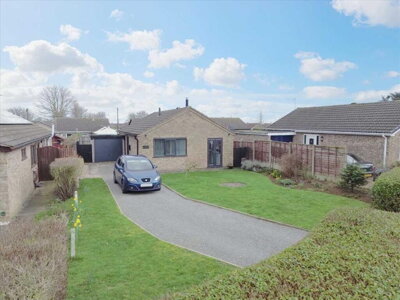
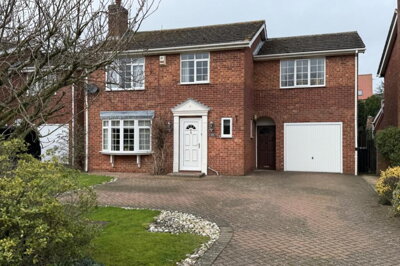
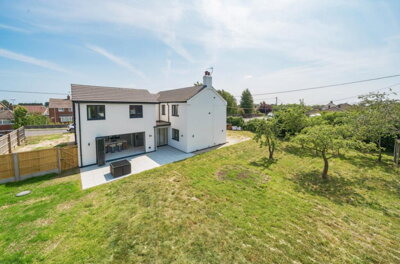
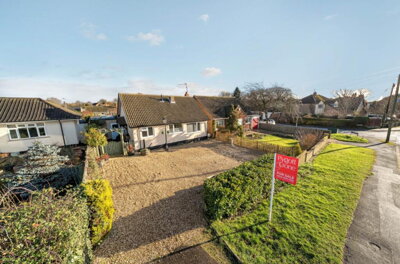
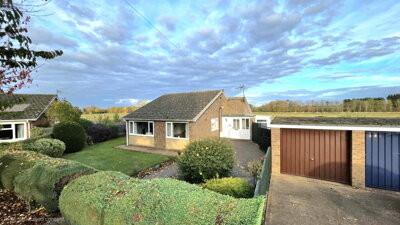
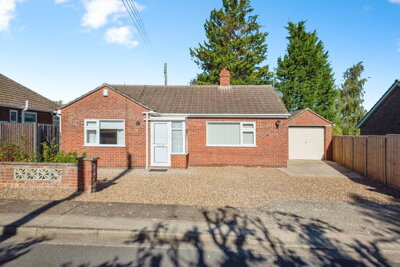
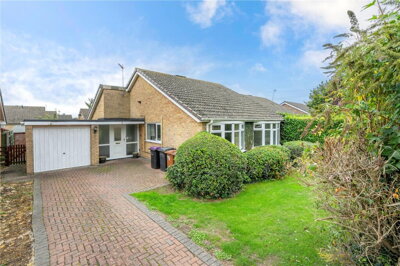
Leasingham, situated in the North Kesteven district of Lincolnshire, is a village with a population of approximately 1,591 residents according to the 2021 census. The village maintains a strong community feel with essential amenities including a primary school, village hall, and public house. Its location near the River Slea adds to the rural charm, though buyers should be aware that properties close to the river may have elevated flood risk, particularly in low-lying areas. The village benefits from good transport links, with residents typically commuting to Sleaford, Grantham, or Lincoln for employment.
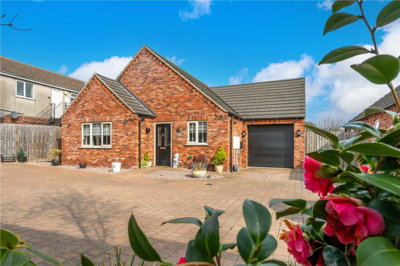
The geological characteristics of the area reflect Lincolnshire's Jurassic limestone and clay formations, which can present challenges for property foundations. Clay soils are known for shrink-swell behaviour, meaning properties may experience ground movement during periods of drought or heavy rainfall. This makes it particularly important for buyers to commission thorough surveys, especially for older properties with traditional foundations. The predominant building materials include local red-orange brick and limestone, with rendered finishes common on newer developments.
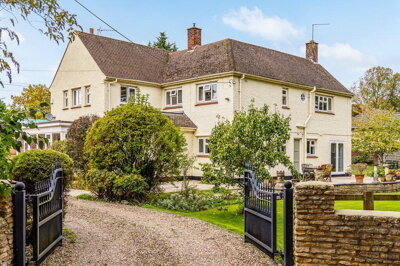
Leasingham's architectural heritage is evident in its collection of listed buildings, including St Andrew's Church and various properties along the historic main streets. The village's conservation character means that many homes require sensitive maintenance and may be subject to planning restrictions. For buyers considering older properties, understanding the Listed Building status and any potential conservation area designations is essential before committing to a purchase, as alterations often require specific consents.
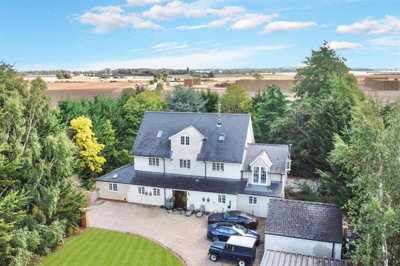
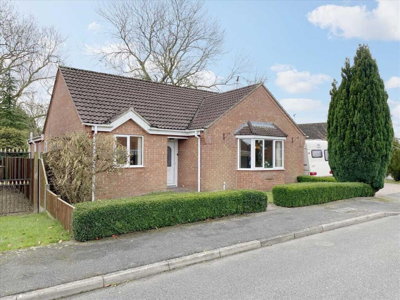
The housing stock in Leasingham spans multiple construction eras, from Victorian and Edwardian properties along Church Lane to post-war semis and more recent developments. Traditional properties often feature solid walls rather than cavity wall construction, which can affect thermal efficiency and moisture management. Our data shows that properties in the £200,000 to £300,000 range, predominantly three-bedroom homes, represent the most active segment of the market.











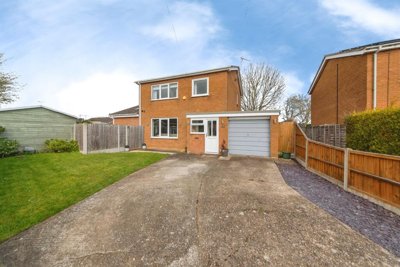
 William H. Brown
-5d ago
William H. Brown
-5d ago