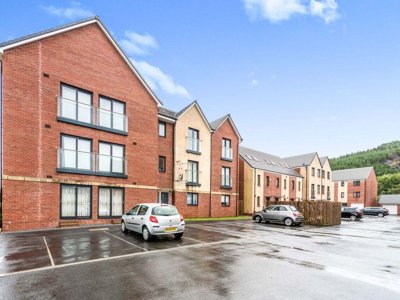
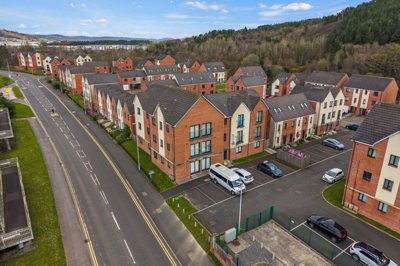
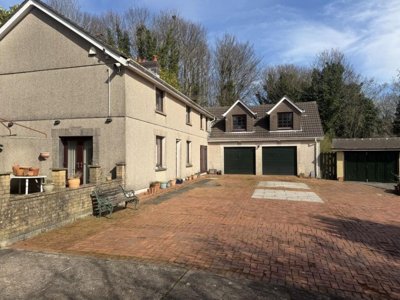
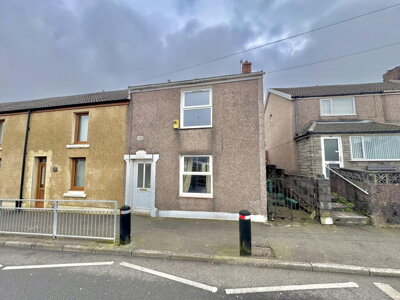
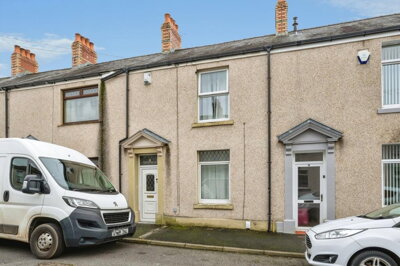
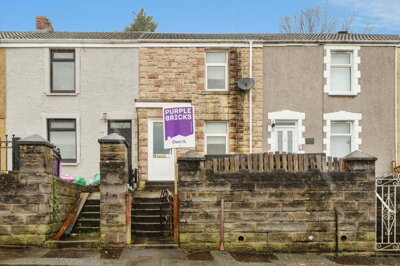
Landore occupies a distinctive position in the Swansea landscape, situated approximately two and a half miles north of the city centre along the River Tawe valley. The area is home to a population of around 7,176 residents across approximately 3,000 households, according to the 2021 census, making it a densely populated suburb with a strong community identity. The community has evolved significantly from its industrial roots, which date back to 1717 when Swansea's first copper smelting works opened in the area, establishing Landore as a cornerstone of South Wales' industrial heritage. Today, the ward supports around 2,500 jobs, with major employers including Swansea Council, the industrial estates on Morfa Road, and the Swansea.com Stadium which anchors the local economy alongside the nearby Morfa Shopping Park.
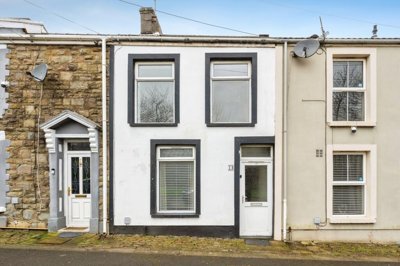
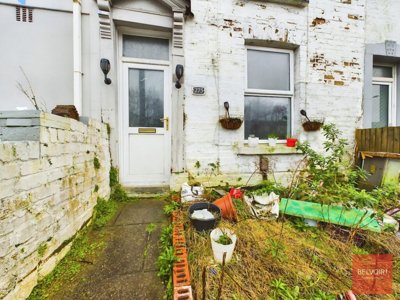
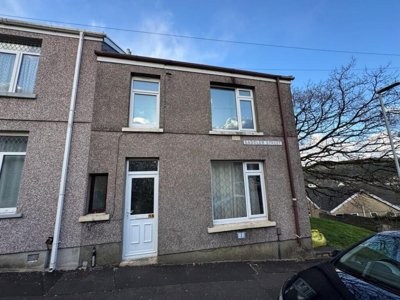
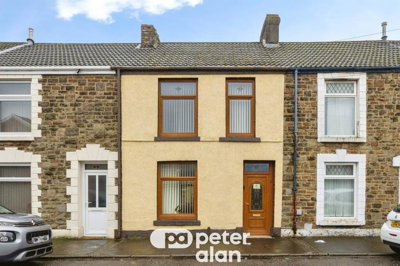
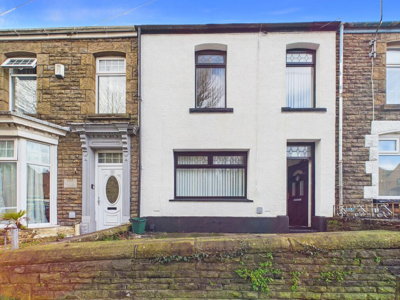
The neighbourhood character reflects its Victorian and Edwardian development, with terraced housing forming the backbone of the residential areas built to house workers in the copper and steel industries. These properties, now representing much of the area's affordable housing stock, typically feature traditional construction with solid walls using brick and render, common in the industrial towns of South Wales. The presence of 25 listed buildings in Landore, including the boundary wall of the former Hafod Copperworks canal docks, the Church of St John the Baptist, and the Dylan Thomas Centre, testifies to the area's rich architectural heritage. Some historic structures such as the Vivian Locomotive shed and the Vivian Engine House Chimney have been identified as being at risk due to neglect and decay, highlighting ongoing challenges in preserving Landore's industrial legacy while the area modernises.
For families considering the area, Landore offers practical amenities including local schools, shops, and community facilities that serve the day-to-day needs of residents. Transport links are particularly strong, with the area well-connected to Swansea city centre and the broader region via road networks, making commuting straightforward for those working in the city. The proximity to the River Tawe does mean that certain lower-lying areas carry some flood risk, a consideration for buyers researching specific addresses. Additionally, the underlying geology of the South Wales Coal Measures, which includes claystones and siltstones beneath the surface, can present shrink-swell ground movement issues in some older properties, particularly where foundations may be shallow.










 Exp UK
-5d ago
Exp UK
-5d ago