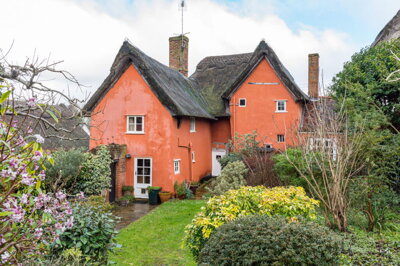
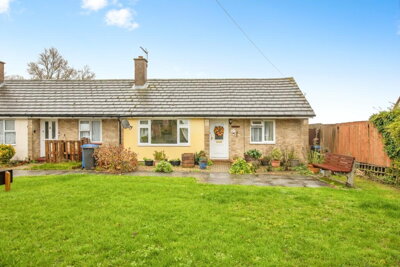
Kersey is widely recognised as possessing the finest collection of medieval buildings in East Anglia, with properties dating predominantly from the 14th to 16th centuries. The village's prosperity during the 12th century Suffolk wool trade, when it produced the famous "Kersey cloth," funded the construction of many beautiful buildings that survive today. Unlike many villages that modernised through subsequent centuries, Kersey's relative economic decline following the wool trade's move to Yorkshire actually preserved its medieval character, as later generations lacked the resources to redevelop.
The village sits within a landscape characterised by clay-rich soils that create both opportunities and challenges for property owners. The underlying geology, part of the Chalk Group that dominates Suffolk, contributes to a notable shrink-swell hazard score in the area. This means properties with established trees or those experiencing drought conditions may face subsidence risks, with clay soils expanding and contracting significantly with moisture changes. A 2021 planning application in Kersey specifically mentioned felling a Cypress tree due to "clay shrinkage possible subsidence damage," highlighting this local concern.
Flood risk represents another significant factor for property owners in Kersey, with the village experiencing both fluvial flooding from Kersey Brook and the River Brett, and pluvial surface water flooding during heavy rainfall. Storm Babet in October 2023 caused internal flooding to at least six properties in Kersey, with most properties in the village centre projected at high fluvial flood risk. Most properties at Kersey Mill are projected to be at fluvial flood risk, ranging from low to high, while all affected properties in Kersey village along The Street and Church Hill were projected to be at high fluvial flood risk, except for one at medium risk.
Demographically, Kersey's population stands at 321 according to the 2021 Census, down from 359 in 2011, reflecting broader rural depopulation trends. The village contains 159 households, with 87.4% of occupied households having under-occupied bedrooms, indicating a predominance of larger period properties relative to household size. Approximately 58% of households rely on oil-fired heating, reflecting the village's rural character and limited mains gas infrastructure. The local economy centres on agriculture and tourism, with the village's picturesque streets attracting visitors throughout the year.











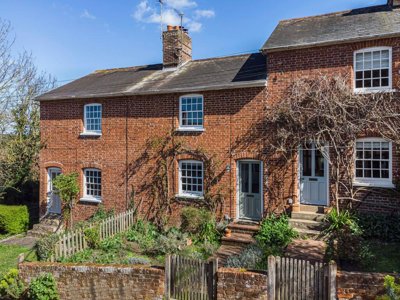
 Frost and Partners
-12d ago
Frost and Partners
-12d ago