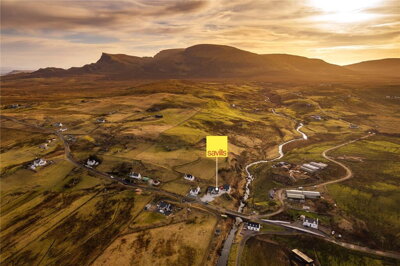
The IV51 postcode encompasses some of Scotland's most iconic landscapes, from the Cuillin mountains to the dramatic cliffs of the western coast. With a population of approximately 1,600 residents across roughly 700 households, the area maintains a close-knit community feel despite its remote location. The local economy centres on tourism, crofting, fishing, and essential services including healthcare and education, creating a stable housing market driven by both permanent residents and those seeking holiday homes. Portree serves as the main service centre, with the village offering supermarkets, banks, healthcare facilities, and the island's secondary school.
The geology of the Isle of Skye presents unique considerations for property owners and buyers. The underlying bedrock of basalt, gabbro, and metamorphic rocks generally provides solid foundations, though areas with superficial deposits and peat require more careful assessment. Unlike many parts of Scotland, the shrink-swell clay risk remains low across most of IV51, meaning foundation issues related to clay ground movement are less common than in central belt areas. However, prospective buyers should commission appropriate surveys given the variety of ground conditions across the island, particularly in areas near peat bogs where ground stability can vary significantly.
Flood risk in IV51 varies significantly by location, with coastal areas and properties near rivers and burns facing potential flooding during high tides and heavy rainfall. The Scottish Environment Protection Agency maintains flood maps that should be consulted before purchasing in vulnerable areas. Properties in low-lying areas near the River Snizort or coastal stretches around Portree Bay require particular scrutiny. Additionally, properties in exposed coastal locations may face erosion risks over time, particularly along the western shores where wave action gradually reshapes the coastline. These environmental factors make professional surveys essential for any property purchase in the area, and we always recommend buyers factor in survey costs when budgeting for their purchase.
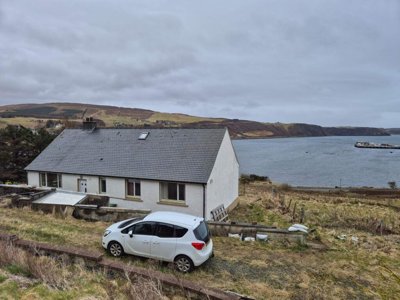
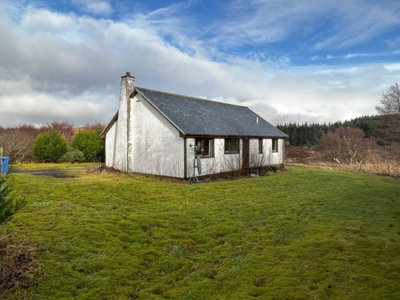
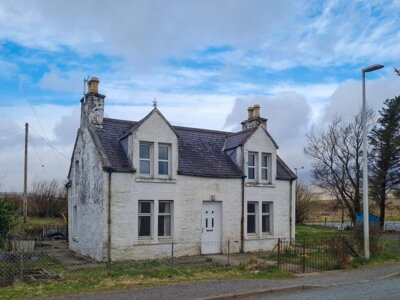
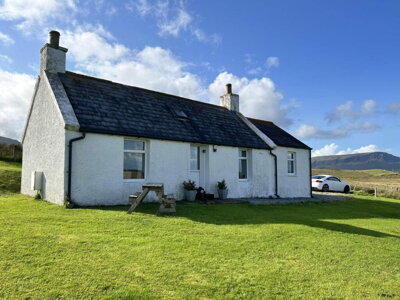
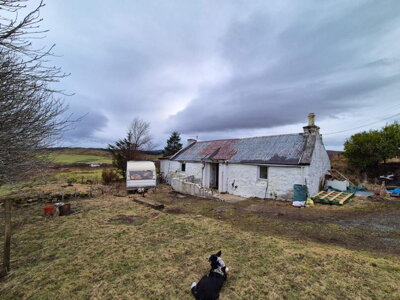
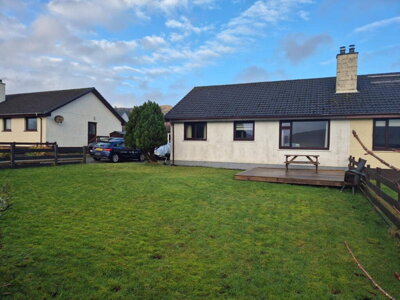
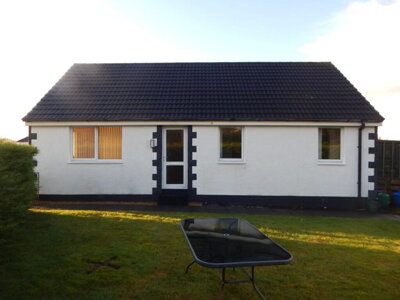
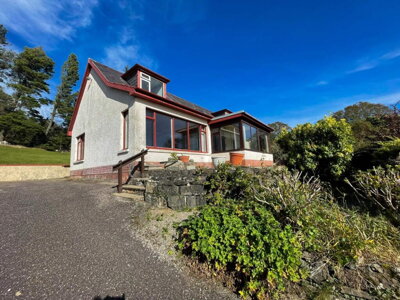
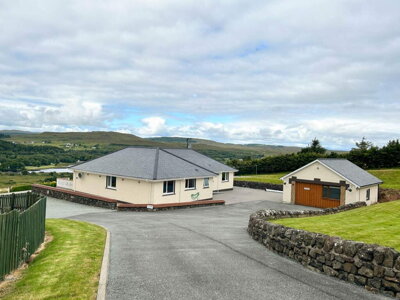
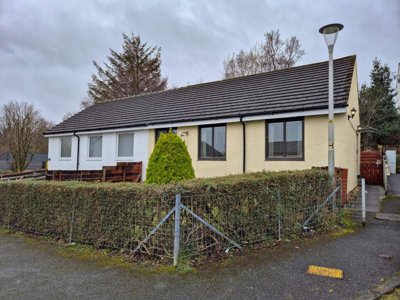
Traditional construction in IV51 predominantly uses local stone, typically basalt or sandstone, with harled (rendered) external finishes that withstand the island's harsh weather. Slate remains the most common roofing material on older properties, though corrugated iron roofs can be found on some traditional croft buildings. Modern constructions since the 1970s have increasingly used concrete blockwork with render, while contemporary builds may incorporate timber frame with various cladding systems. Understanding these construction types helps when assessing property condition and potential maintenance requirements.










 The Isle of Skye Estate Agency
-10d ago
The Isle of Skye Estate Agency
-10d ago