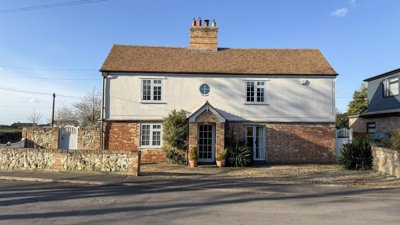
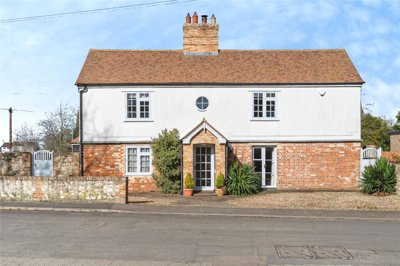
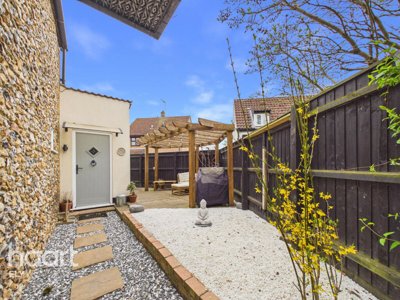
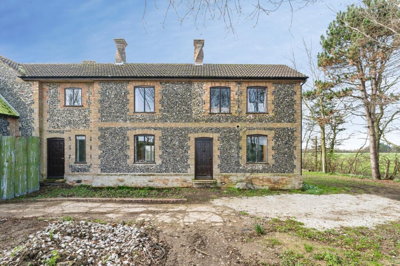
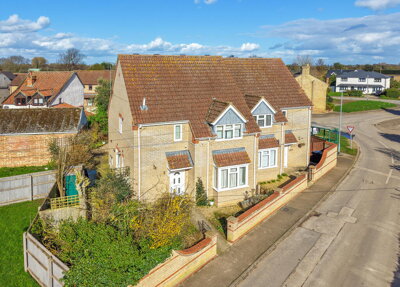
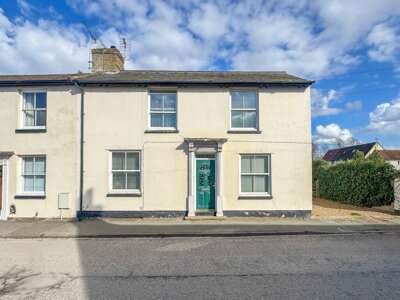
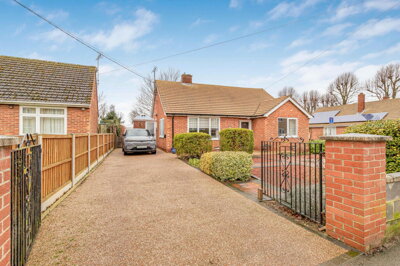
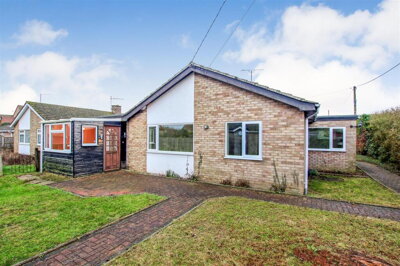
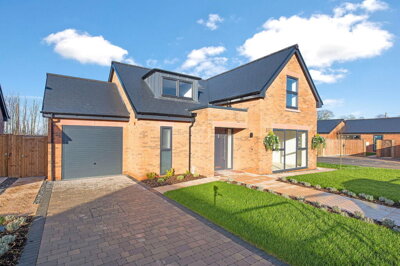
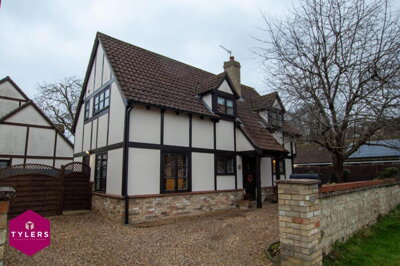
Isleham sits on a Lower Chalk ridge in south Cambridgeshire, a geological feature that has shaped both the village's character and its built environment. The traditional building material here is clunch, a local limestone/chalk that has been quarried since the Middle Ages and features prominently in older buildings and boundary walls throughout the village. You'll also spot characteristic Gault clay bricks and Ely clay roof tiles on period properties, particularly visible in the Conservation Area that was established in April 1975 and encompasses many of the village's historic buildings.
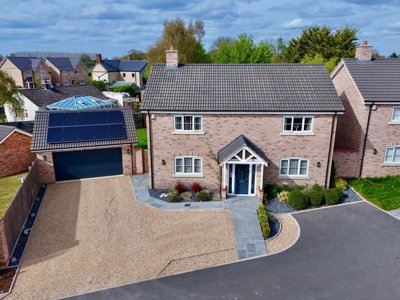
The village boasts a remarkable variety of architecture, with properties ranging from 16th-century timber-framed houses to contemporary new builds. Notable listed buildings include Isleham Hall, the Grade II listed lime kilns on Limestone Close, the remains of the late 11th-century Benedictine Isleham Priory Church, and the Parish Church of St Andrew which dates largely from 1330. The population stands at approximately 2,477 according to the 2021 Census, with estimates suggesting growth to around 2,556 in the built-up area and 2,808 in the parish by 2024, representing annual growth of 3.5% and 3.9% respectively.
For buyers concerned about flood risk, Isleham lies on the edge of the Fens, with the River Lark flowing to the north-east of the village. The area around the river is designated as a flood warning zone, with low-lying land at risk when levels exceed 2.25m. The highest recorded level was 2.72m in January 2003. However, properties on the chalk ridge generally benefit from free-draining soils, though the northern part of the parish includes areas with clay-rich fen soils where some subsidence risk exists. The Fordham and Isleham ward contains approximately 2,700 households with an average size of 2.4 people.
The local economy historically relied on agriculture, 19th-century lime production, and river trade. Today, the village supports farming, small businesses in light industry at Hall Barn Road, and tourism associated with the marina on the River Lark. The age demographic shows a lower proportion of residents aged 20-29, balanced by a higher proportion aged 50-74, suggesting a settled community attractive to families and retirees alike.











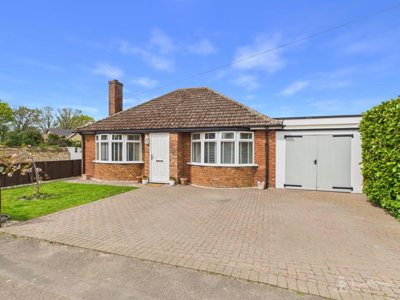
 Ewemove
-16d ago
Ewemove
-16d ago