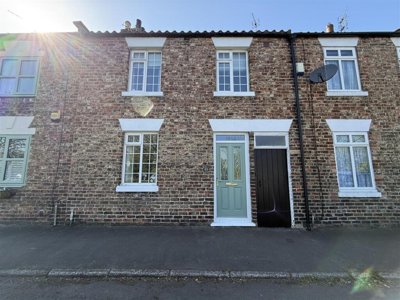
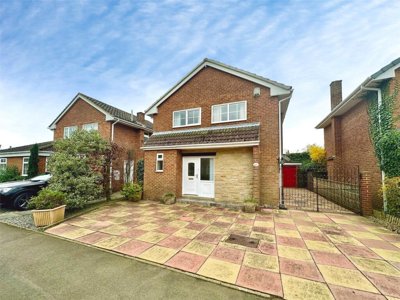
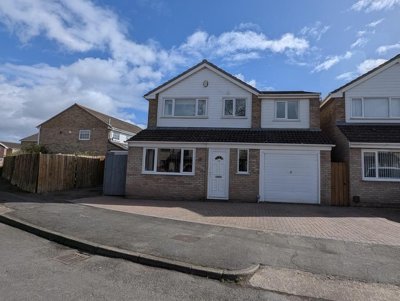
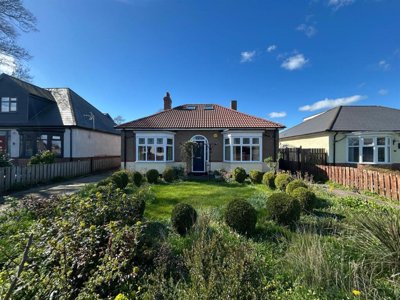
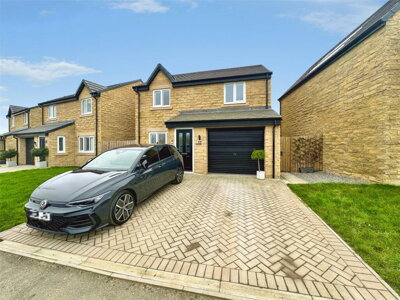
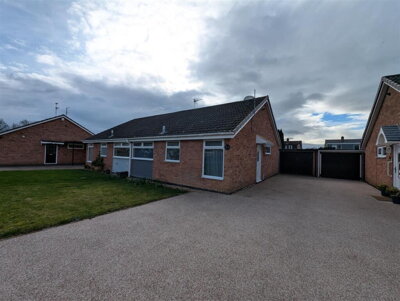
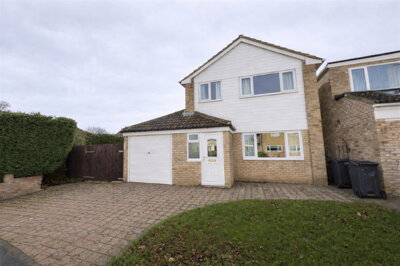
Hurworth-on-Tees offers a distinctive blend of rural village charm and excellent connectivity that makes it particularly attractive to families and commuters. The village centre features the historic village green, St. John the Baptist Church, and a selection of local businesses including pubs, a primary school, and convenience stores. The Hurworth Conservation Area encompasses much of the historic core, protecting period properties and the traditional street scene that gives the village its character. Several listed buildings, including Hurworth Grange and various historic houses along the main streets, add architectural interest and value to the area.
The local geology presents important considerations for property owners and buyers. The underlying Permian and Triassic bedrock is overlain by glacial till (boulder clay), which creates a moderate to high shrink-swell risk. This clay-rich soil can expand when wet and contract during dry periods, potentially affecting foundations particularly in older properties. The Environment Agency identifies areas immediately adjacent to the River Tees as at risk of fluvial flooding, while lower-lying areas may experience surface water flooding during heavy rainfall. Properties along Riverside Walk and those near the boat club deserve particular attention regarding flood risk.
Demographically, Hurworth accommodates approximately 2,500-3,000 residents across 1,100-1,300 households according to the 2021 Census. The population growth reflects the area's popularity with commuters seeking affordable housing compared to nearby Darlington or Teesside while maintaining access to major employers. The local economy centres on small businesses, retail, hospitality, and education, with many residents commuting to larger employment centres. The village benefits from good transport links, with the A1(M) providing direct access to the north and south, while Darlington railway station offers mainline services to London, Edinburgh, and regional destinations.










 Anthony Jones Properties
0d ago
Anthony Jones Properties
0d ago