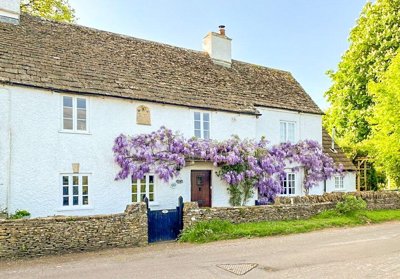
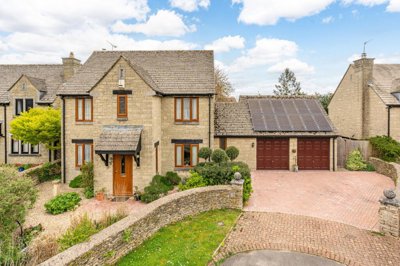
Hullavington is a thriving village in the Cotswold district of Wiltshire, situated approximately 6 miles east of Malmesbury and within easy reach of the M4 motorway at Junction 17. The village has a population of approximately 1,189 residents across 486 households, according to 2021 Census data. Its historic core is protected by a designated Conservation Area, and the village contains several listed buildings including St Mary Magdalene Church and numerous historic houses and cottages that showcase traditional Cotswold limestone construction. The Conservation Area designation means that any significant alterations to period properties require planning consent, adding complexity to renovation projects but also protecting property values.
The local economy is shaped by the former RAF Hullavington site, now operating as an Army logistics centre, which provides significant local employment. However, the village primarily functions as a commuter settlement, with residents travelling to work in nearby towns including Malmesbury, Chippenham, Swindon, and Bath. The excellent transport links, combined with the rural village character, make Hullavington particularly attractive to professionals seeking a balance between country living and connectivity. The proximity to the M4 makes this village particularly popular with workers who need to commute to Bristol, Swindon, or London.
The geological character of Hullavington reflects its Cotswold setting, with Jurassic limestone underlying much of the area, specifically the Great Oolite Group including Forest Marble and Cornbrash formations. Clay-rich soils, particularly the Oxford Clay Formation in lower-lying areas, create potential shrink-swell risks that can affect foundations, particularly for properties with mature trees nearby. Surface water flooding represents the primary flood risk, though this is generally manageable with appropriate drainage. These geological considerations are important for buyers to understand, particularly when considering older properties that may require specialist surveys.











 James Pyle & Co
-2d ago
James Pyle & Co
-2d ago