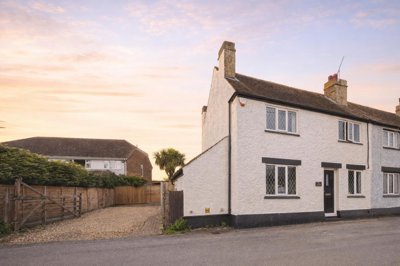
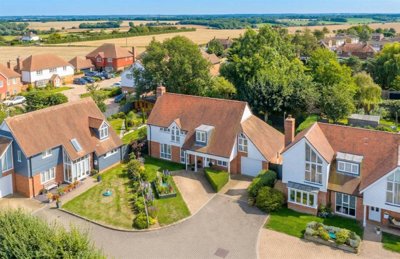
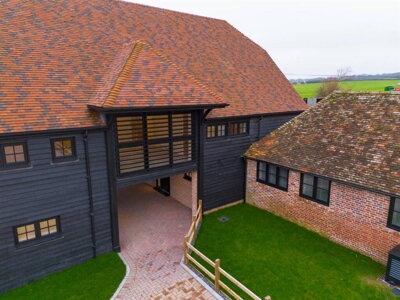
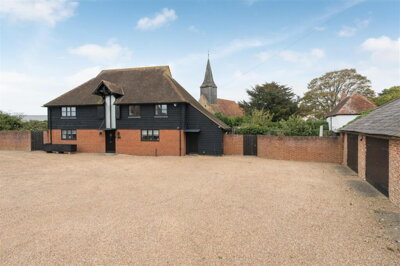
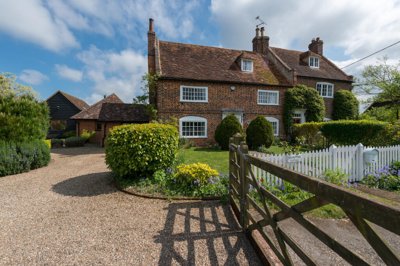
Properties in Hoath reflect the traditional building methods of rural Kent, with older homes typically constructed using solid brick walls in Flemish or English bond patterns, often rendered with lime-based finishes. Many historic properties feature timber framing with lath and plaster infill, demonstrating traditional carpentry techniques. Roofs on older properties predominantly use clay tiles or slate, while boundary walls frequently incorporate Kentish flint, a distinctive local material that characterises many villages in the Canterbury area.
Mid-century properties built between 1945 and 1980 typically feature cavity brick construction with concrete tiled roofs and suspended timber floors. More recent developments since 1980 have continued cavity wall construction but with improved insulation standards and modern uPVC windows. Given that a significant proportion of Hoath's housing stock exceeds 50 years of age, with many properties dating back to the Victorian or Edwardian periods, prospective buyers should anticipate potential issues common to older properties, including outdated electrical systems, plumbing that may require upgrading, and the possibility of asbestos-containing materials in properties built before 2000.
Common defects found in the local housing stock include damp issues (rising damp, penetrating damp, and condensation) particularly in older properties with inadequate ventilation or original damp-proof courses. Roof issues such as wear and tear to tiles and slates, defective flashings, and problems with gutters are frequently identified in properties over 50 years old. Timber defects including wet rot, dry rot, and woodworm are common in older timber elements, while subsidence risk related to the shrink-swell clay geology presents a particular concern where large trees are present or drainage is poor.
Given these factors, RICS Level 2 Surveys in Hoath typically cost between £400 and £900 or more, depending on property size, value, and complexity. For a typical 3-bedroom semi-detached house in the area, costs generally fall in the £500-£700 range. Properties over 50 years old or those with unusual construction may incur higher survey fees due to increased complexity and time required for a thorough assessment.
---NEXT---











 Woodward & Bishopp
-4d ago
Woodward & Bishopp
-4d ago