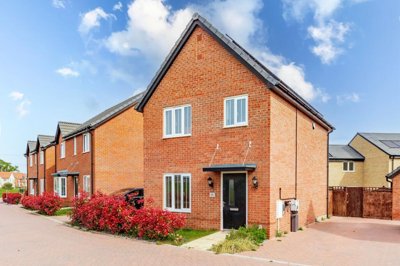
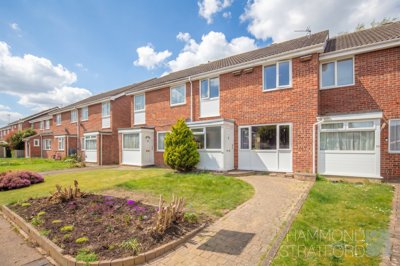
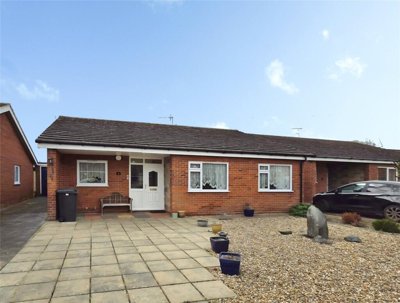
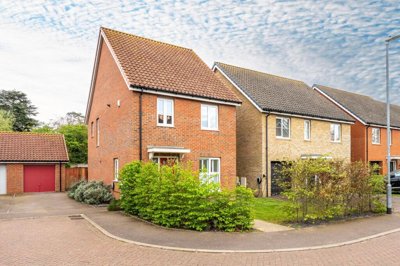
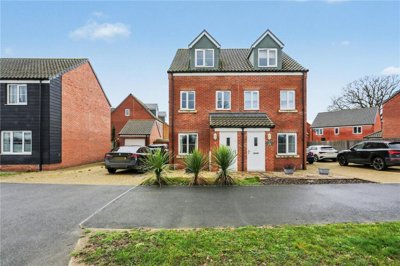
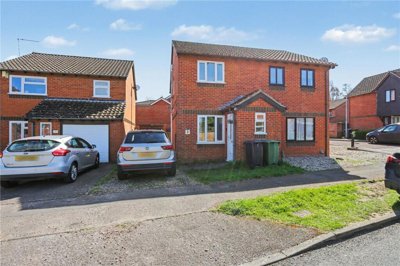
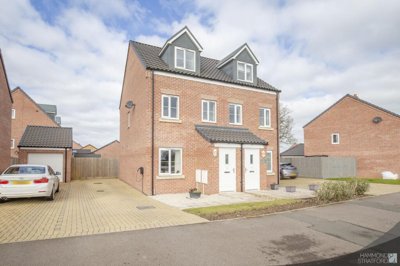
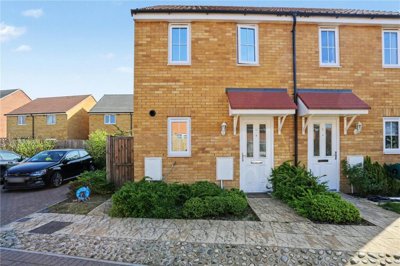
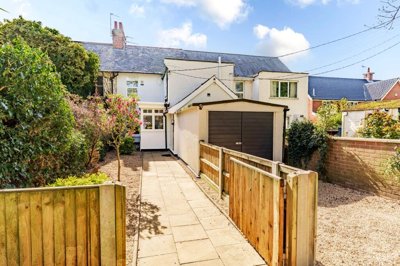
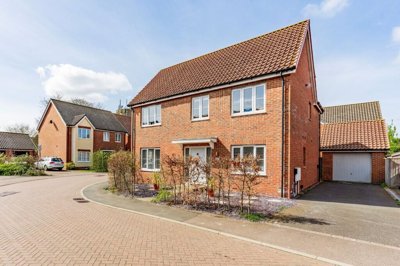
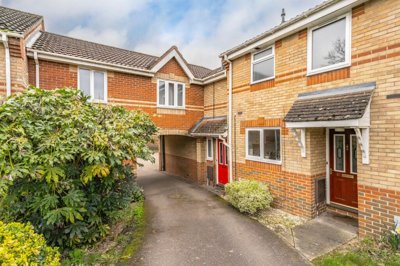
Hethersett sits in South Norfolk, approximately 7 miles southwest of Norwich city centre and just 2.5 miles from the Norfolk & Norwich University Hospital. The village has a population of around 8,784 to 9,596 depending on the ward definition, with approximately 3,764 households. This growth has been fueled by the new developments, transforming what was once a small village into a thriving commuter settlement. The village centre around Queen's Road and Great Melton Road offers convenient shops, a post office, pharmacy, doctor and dentist surgeries, and a library.
The local economy centers on human health activities, reflecting the proximity to the hospital and Norwich's broader healthcare sector. Education facilities are expanding to meet demand, with proposals for two new primary schools and secondary school expansion. The village maintains strong transport links via the A11 and A47, making it popular with commuters to Norwich and beyond. Several milestone markers along the old roads remind visitors of Hethersett's historic role as a coaching stop between Norwich and London.
Hethersett's built environment reflects its long history alongside modern growth. The village contains several notable listed buildings including the Grade II* Church of St Remigius, Hethersett Old Hall (now a school), the Kings Head Public House, and numerous historic barns and cottages. The underlying geology presents some challenges for property owners, as Hethersett sits on clay-rich soils with a notable shrink-swell hazard score. This means properties with large trees nearby may be susceptible to subsidence as tree roots draw moisture from the soil, causing it to shrink during dry periods.
Flood risk in the village primarily comes from surface water rather than river or coastal sources. Norfolk as a whole has approximately 37,000 properties at risk from surface water flooding, and new developments are required to incorporate Sustainable Drainage Systems (SuDS) to mitigate this. The area's building materials reflect Norfolk's tradition, with brick (including distinctive "Norfolk Reds"), flint, and timber frame construction found in older properties, while modern builds use contemporary methods including panelised timber frames and various cladding systems.











 William H. Brown
-5d ago
William H. Brown
-5d ago