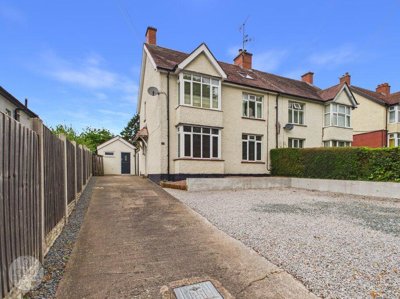
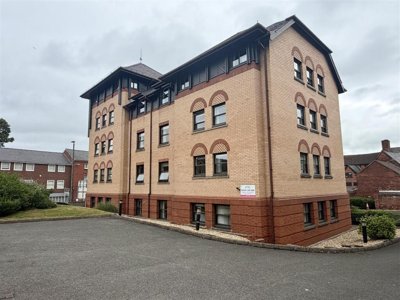
Hereford is the county town of Herefordshire, with a 2021 Census population of 60,800 and 26,000 households. The city economy is anchored by Hereford County Hospital, Herefordshire Council, education, retail, agriculture-linked businesses, food production, manufacturing and engineering. Those employment patterns influence housing demand across HR1, HR2 and HR4, because buyers include local workers, people moving within the county and households wanting a base near the River Wye. A good agent should understand which buyer groups are likely to respond to your property type.
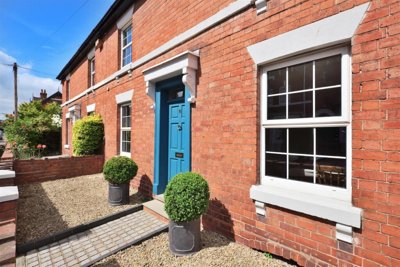
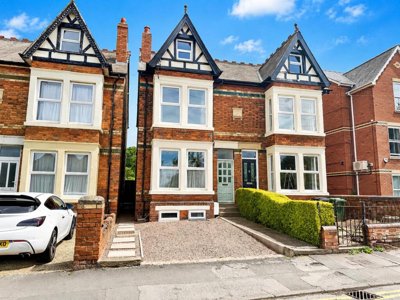
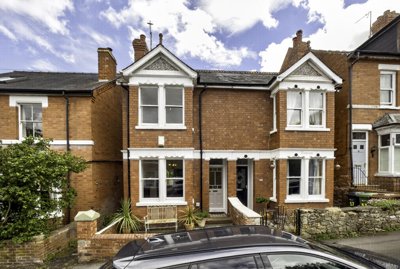
The historic centre around Hereford Cathedral, High Town and the Wye contains many older buildings and a concentration of listed property. Local red brick, sandstone, render and timber-frame construction are all part of the housing mix. Pre-1919 homes can be attractive, but they also raise questions about damp, roof condition, lime mortar, timber decay and past alterations. Agents who sell these homes well usually prepare detailed material before launch, including clarity on works, guarantees and any planning or conservation restrictions.
Movement around Hereford is shaped by the A49, A438, A465 and the railway station, plus the River Wye crossing points. This affects buyer reactions, especially where a home sits close to the city centre, the hospital, schools or routes out towards rural Herefordshire. School conversations also appear in many viewings, even when buyers are not ready to name a final preference. An agent should be able to explain the practical day-to-day setting of your home without relying on broad claims.
- The city has 60,800 residents and 26,000 households
- Hereford Cathedral and High Town shape the historic core
- The River Wye affects both setting and flood due diligence
- Hereford County Hospital and Herefordshire Council support local employment demand











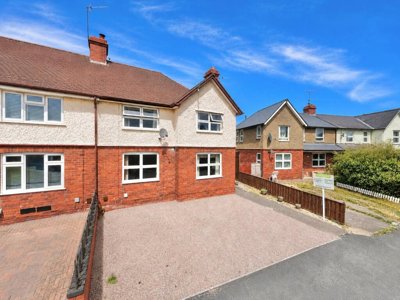
 Stooke Hill & Walshe
-2d ago
Stooke Hill & Walshe
-2d ago