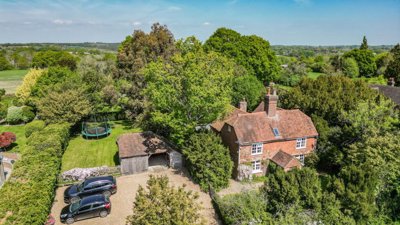
Hawkhurst sits within the High Weald National Landscape, characterised by distinctive sandstone ridges and steep-sided valleys formed by the underlying geology of Tunbridge Wells Sand overlying Wadhurst Clay. This geological composition creates both the area's attractive rolling countryside and practical considerations for property owners, as the Wadhurst Clay presents potential shrink-swell behaviour that can affect foundations. The village's streams drain north to the Hexden Channel and south to the Kent Ditch Water Body, both feeding the River Rother, whose floodplains create an abrupt landscape change to the south of the village.
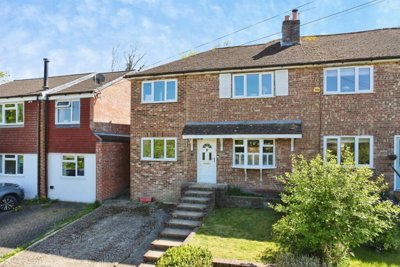
The population of Hawkhurst parish stands at approximately 4,990 residents according to the 2021 Census, with estimates suggesting around 5,200 by 2024. The built-up area itself houses roughly 3,800 residents across around 2,700 households, with an average household size of 2.3 persons. Home ownership rates in Hawkhurst reach 69.67%, notably above the national average, reflecting the area's prosperity and appeal to established families and retirees alike. The local economy centres on professional occupations at nearly 20%, followed by managers, directors, and senior officials at 18.7%, indicating a well-heeled demographic that supports premium property values.
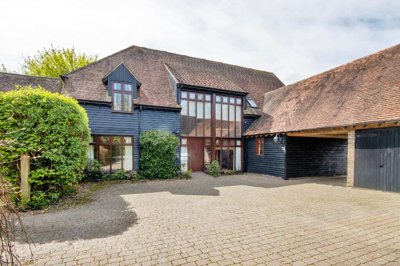
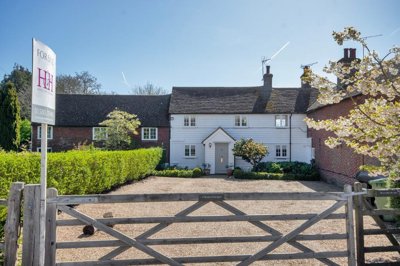
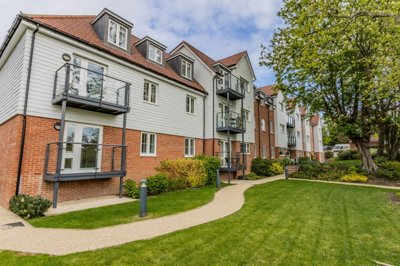
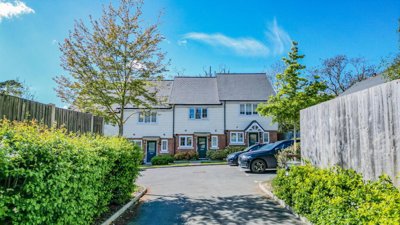
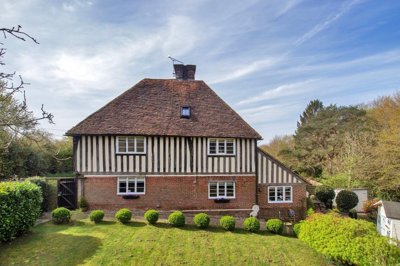
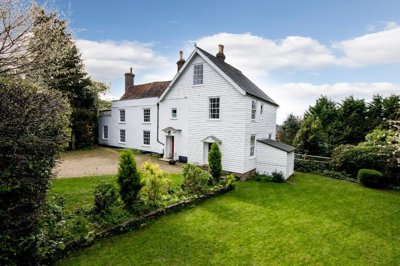
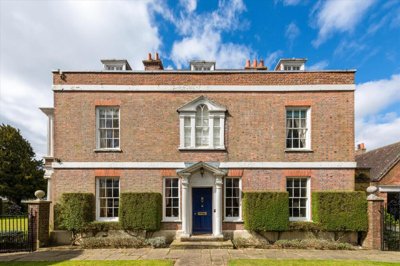
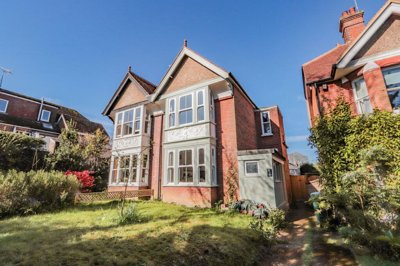
Four conservation areas protect Hawkhurst's character at Sawyers Green, Highgate (encompassing All Saints' Church), and The Moor, where many listed buildings create a heritage-rich environment. Traditional building materials include oak framing, fair-faced brickwork, pointed feather-edge boarding, and painted render, with clay peg tiles and natural slate on roofs. Local sandstone, visible in St Laurence's Church, adds architectural distinction. The village offers good amenities including shops, primary schools, and sporting facilities, while remaining within practical reach of Tunbridge Wells for commuters seeking broader services and rail connections to London.











 Harpers and Hurlingham
-3d ago
Harpers and Hurlingham
-3d ago