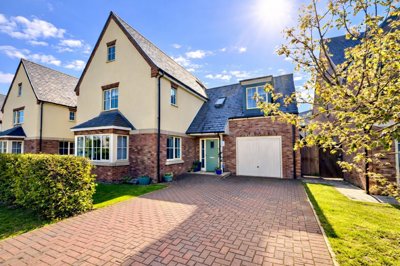
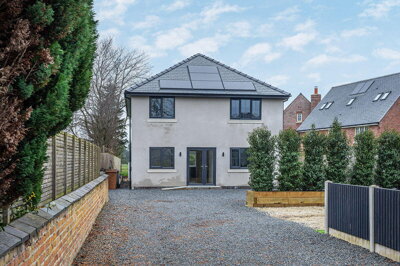
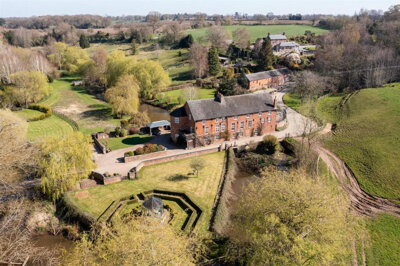
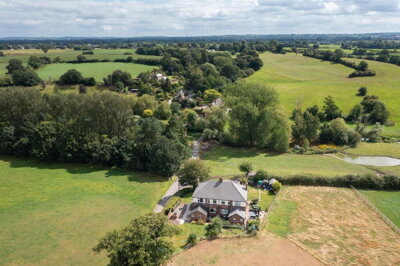
Hankelow is a quintessential Cheshire village that retains its historic character through designated conservation areas and numerous listed buildings, including the notable Hankelow Hall which holds Grade II* listed status. The village centre features several Grade II listed properties, creating a streetscape that reflects centuries of architectural heritage. This concentration of historic properties contributes to the premium pricing achievable in the area, as buyers pay a premium for period features, traditional construction, and the character that modern builds often lack.
The geography of the wider Cheshire East area, which encompasses Hankelow, presents specific considerations for property owners and buyers. The local geology features glacial tills comprising boulder clay, sand, and gravels overlying Triassic sandstones and mudstones, with clay-rich soils presenting a potential shrink-swell risk during extreme weather conditions. This geological characteristic can affect foundations, particularly in older properties, making structural surveys particularly valuable in the area. Additionally, Hankelow's position near the River Weaver and its tributaries means that properties close to watercourses may face elevated flood risk, with surface water flooding also a concern in low-lying areas.
Transport connections play a vital role in the Hankelow housing market, with residents typically commuting to larger nearby towns including Nantwich, Audlem, and Crewe for employment. The village's economy remains tied to agriculture and local services, though the proximity to these towns and their amenities significantly enhances the appeal for commuters seeking rural tranquility without sacrificing connectivity. The presence of good transport links, combined with the village's character and the quality of local schools in the broader area, continues to attract buyers looking to escape larger urban centres while maintaining practical access to workplace amenities.
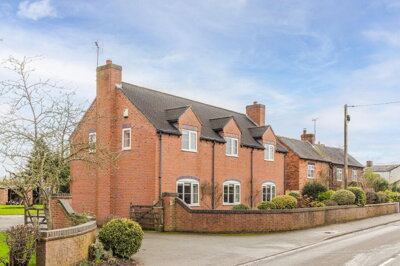
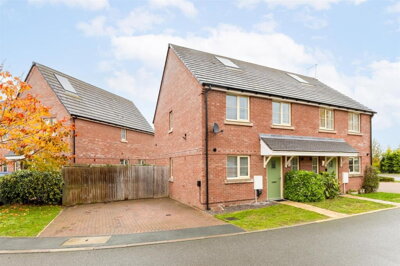
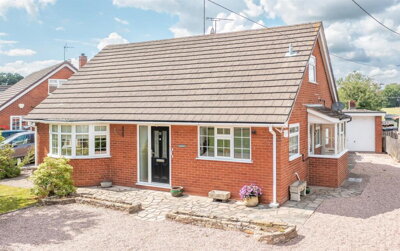
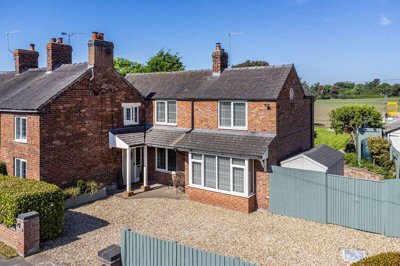
The predominant building materials in Hankelow reflect its rural Cheshire heritage, with traditional red brick construction featuring prominently across both period cottages and more substantial family homes. Properties built before 1919 likely feature solid wall construction without cavity insulation, while post-war additions may incorporate more modern building methods. Many homes retain original features such as timber sash windows, flagstone floors, and exposed beams that add character but may require ongoing maintenance. Understanding these construction types helps buyers appreciate the character of the property while anticipating potential maintenance requirements specific to older rural homes.










 Cheshire Lamont
-7d ago
Cheshire Lamont
-7d ago