Gosbeck is a small village parish nestled in the heart of Mid Suffolk, offering residents a tranquil rural lifestyle while maintaining accessibility to larger settlements. The estimated population of 241 people creates an intimate community atmosphere where neighbours often know one another, and the village benefits from the characteristic Suffolk landscape of rolling farmland, ancient hedgerows, and historic buildings. The absence of a specific Conservation Area designation for Gosbeck itself, despite the concentration of 17 listed buildings, means that the village retains its historic character through individual building protections rather than area-wide restrictions.
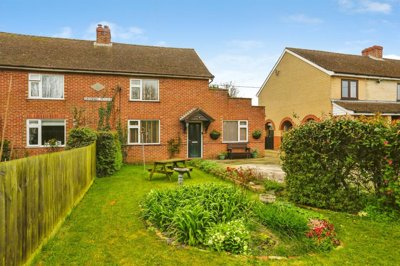
The local geology underlying Gosbeck consists of boulder clay overlying glacial tills, sands, and gravels, which is typical of central Suffolk. This clay-rich geology presents important considerations for property owners, as boulder clay is susceptible to shrink-swell behaviour, where soils expand and contract with moisture changes, potentially causing subsidence issues that may be identified during a property survey. Traditional Suffolk construction methods in the village reflect this local geology, with buildings historically using locally available materials including flint, clay, timber, soft red bricks dating from Tudor times, and white bricks that became fashionable in the early 19th century.
Transport links from Gosbeck centre via the A14 provide connectivity to Ipswich, Bury St Edmunds, and the wider region, while the village maintains its rural character with limited local amenities within the parish itself. Residents typically access services in nearby larger villages or towns, with the community centred around the historic Church of St Mary. Flood risk in Gosbeck is considered low as an inland village, though prospective buyers should consult Environment Agency long-term flood risk maps for specific property locations, particularly those near watercourses or in lower-lying areas.











 William H. Brown
-14d ago
William H. Brown
-14d ago






























