Glynneath is a historic valley community situated on the right bank of the River Neath, approximately 10 miles north of Neath itself. The town has a population of 4,212 according to the 2021 census, with 1,519 households serving as a service hub for the surrounding Neath Valley. The area is renowned for its stunning natural surroundings, with waterfalls at Pontneddfechan to the north-east marking the edge of the Brecon Beacons National Park and creating the famous "Waterfall Country" landscape that draws tourists throughout the year.
The geological character of Glynneath is remarkable, featuring natural exposures of lower and middle Westphalian Stage rocks from the Carboniferous period. The local geology transitions from littoral and delta-plain deposits to coal-bearing Productive Coal Formation and coarse alluvial sediments of the South Wales Pennant Formation. This landscape was shaped by millions of years of geological activity and, more recently, by the coal mining industry that defined the area's development from 1793 onwards. The town sits close to the northern edge of the South Wales Coalfield, with the Aberpergwm colliery, worked since 1811, now the only producer of high-grade anthracite in Western Europe.
However, potential buyers should be aware of significant environmental considerations. A community profile reveals that 98% of Glynneath residents live in a flood risk area, substantially higher than the Wales average of 41%. This elevated flood risk stems from the town's position along the River Neath and the valley geography that can channel surface water. Additionally, the historical coal mining activity creates potential for mining-related subsidence, a factor that surveyors will assess when evaluating properties. These geological and environmental factors make obtaining a comprehensive property survey particularly important when purchasing in Glynneath.
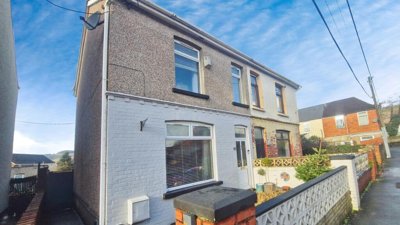
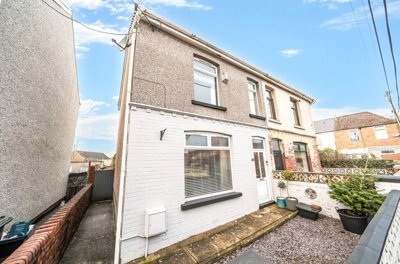
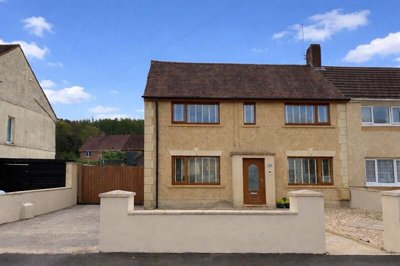
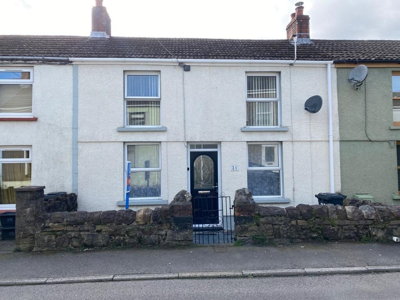
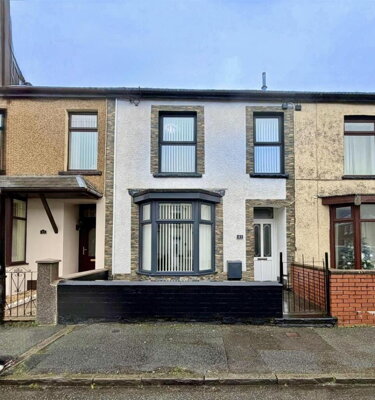
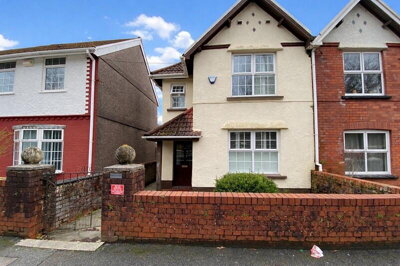
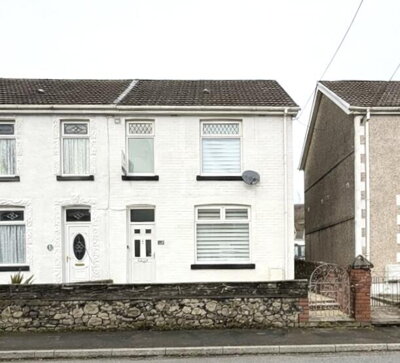
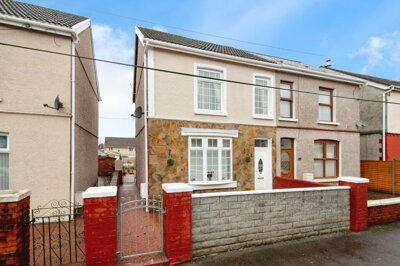
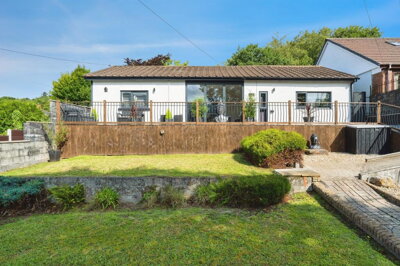
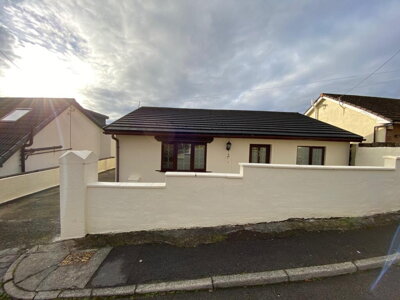
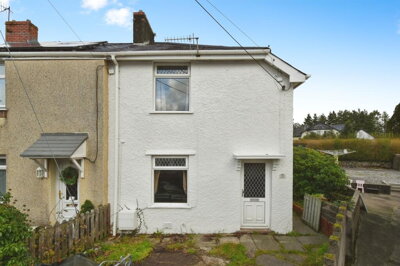
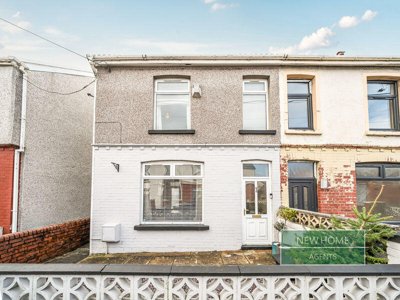
The housing stock reflects Glynneath's evolution from a mining community to a modern valley town. Terraced housing and post-war semi-detached properties dominate the central area, with building facades described as functional rather than ornate. The historic industrial heritage is still visible through remnants of the Neath Canal and gunpowder works ruins, while the Grade II* listed St Cadoc's Church and Rheola House (designed by John Nash around 1812) provide architectural interest. The economy today centres on retail, health and social care, manufacturing, and tourism, with the A465 Heads of the Valleys road providing good connectivity to Swansea and surrounding employment centres.










 New Home Agents
-1d ago
New Home Agents
-1d ago