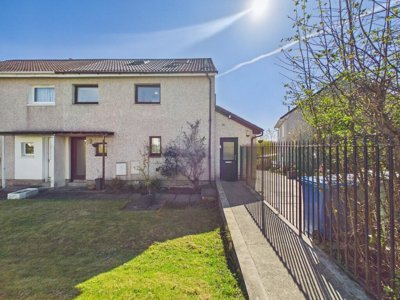
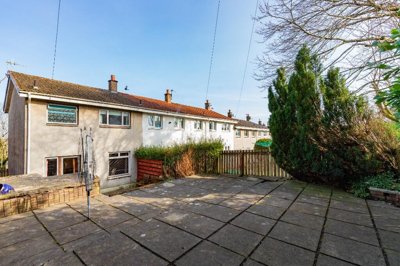
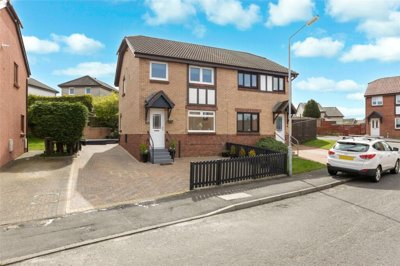
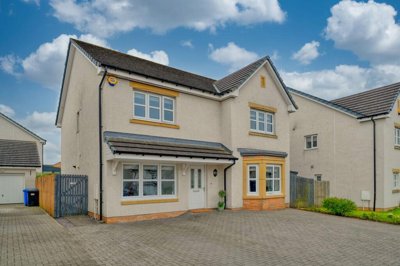
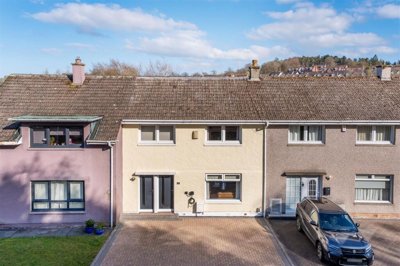
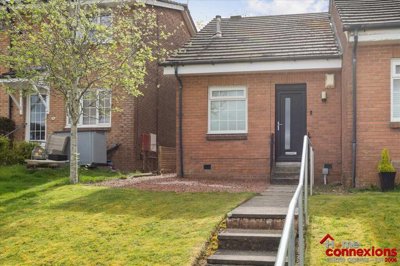
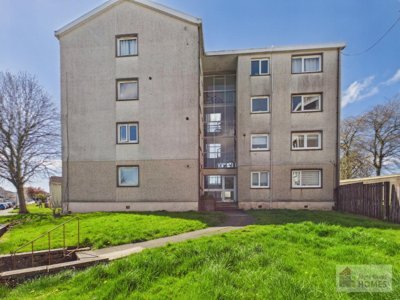
Understanding the construction of properties in G75 is essential for both buyers and sellers. East Kilbride was designated as Scotland's first New Town in 1947, meaning a substantial proportion of its housing stock was built post-1945, particularly in the 1950s, 60s, and 70s. Properties from this era typically feature cavity wall construction with brick or rendered blockwork, timber-framed roofs with tile or slate coverings, and concrete floors. These homes are now over 50 years old and form a significant portion of the market.
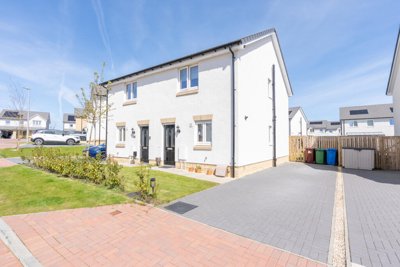
Older properties in G75 can be found in the original East Kilbride Village and parts of Blantyre, featuring solid wall construction (stone or brick) often with roughcast render, timber suspended floors, and pitched roofs with slate or tile. Newer developments from the 1980s onwards, including areas like Stewartfield and the various new-build sites, feature modern timber frame construction with various external finishes and high levels of insulation.
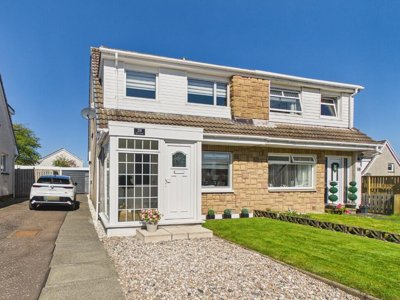
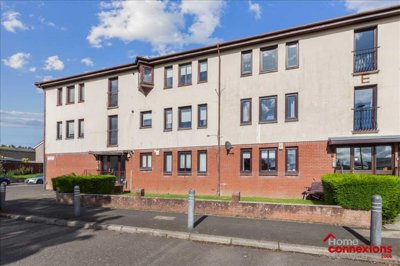
Many properties in G75, particularly in areas like East Kilbride and Blantyre, feature a mix of brick (often red or buff brick), render, and some stone cladding, especially in newer developments. The geology of the G75 area is characterised by Carboniferous sedimentary rocks, including sandstones, mudstones, and coal seams, with superficial deposits often including glacial till (boulder clay). This clay-rich soil can pose a moderate shrink-swell risk, particularly during extreme weather periods, which can affect foundations in some properties.











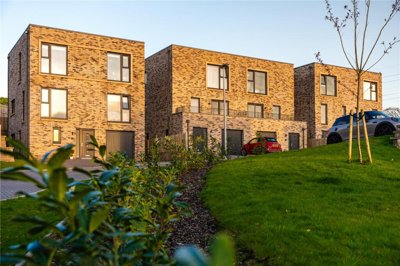 New Build
 Savills
-4d ago
Savills
-4d ago