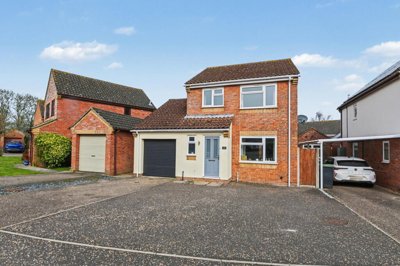
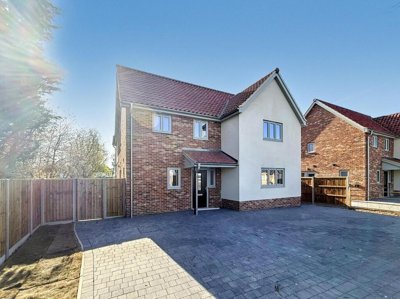
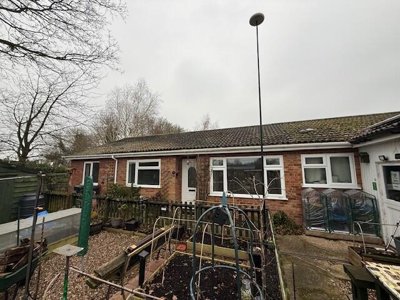
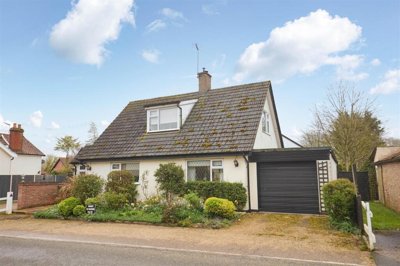
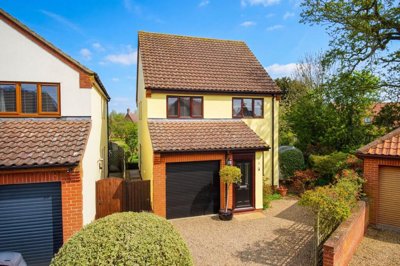
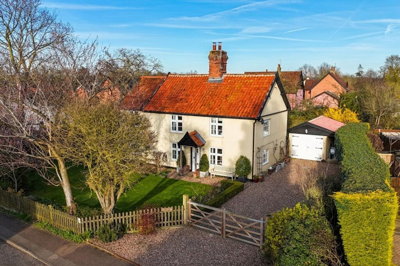
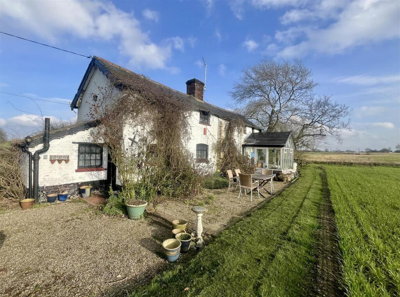
The Fressingfield housing market reflects the broader trends in rural Mid Suffolk, though with some notable local variations. Based on Land Registry data and our analysis of recent transactions, the overall average sold price in Fressingfield sits at approximately £811,934, with approximately 31 properties changing hands in the last twelve months. This transaction volume indicates steady but measured activity in the village, typical of a rural community where properties tend to hold value well over the medium to long term despite shorter-term fluctuations.
Price trends over the past year show a marginal decline of 1% overall, with different property types experiencing varying trajectories. Detached properties, which form the backbone of the Fressingfield market at around 55% of the housing stock, saw a modest 0.5% decrease to an average of approximately £495,833. Semi-detached properties declined 1.5% to around £277,500, while terraced properties saw the steepest decline at 2% to approximately £277,500. Interestingly, flats bucked the trend with a 0.5% increase, though they represent only 5% of the housing stock.
The postcode sectors surrounding Fressingfield show divergent performance. Properties in the IP21 5 sector, which covers the village itself and neighbouring areas, have maintained stability compared to some outlying rural settlements. This resilience can be attributed to Fressingfield's relative accessibility to larger towns including Harleston, Diss, and Eye, while retaining its character as a traditional Suffolk village with a conservation area, local amenities, and community facilities that continue to attract buyers seeking a rural lifestyle within reasonable commuting distance of employment centres.
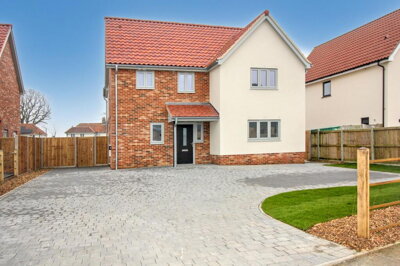
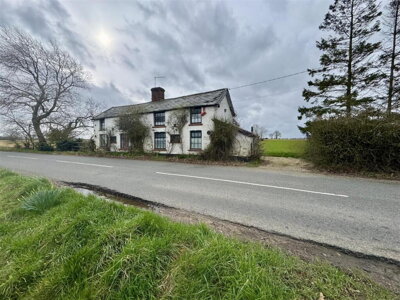
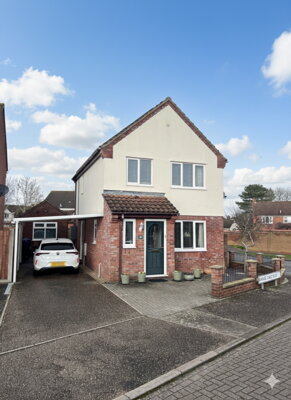
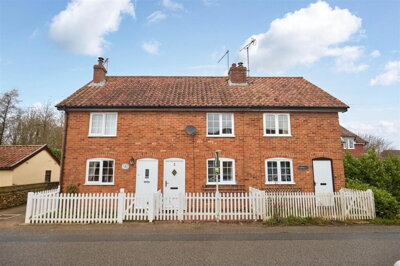
The housing stock in Fressingfield breaks down roughly as follows: approximately 55% detached properties, 25% semi-detached, 15% terraced, and 5% flats. This predominantly detached character sets Fressingfield apart from more urbanised areas and contributes to the generally higher average asking prices compared to regional centres. The village's proximity to good schools in Framlingham and Diss makes it particularly attractive to families, sustaining demand for family-sized homes despite broader market uncertainties.











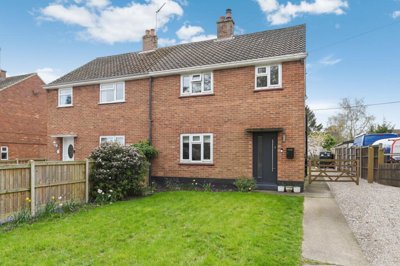
 Clarke and Simpson
-2d ago
Clarke and Simpson
-2d ago