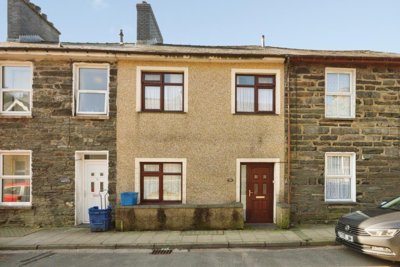
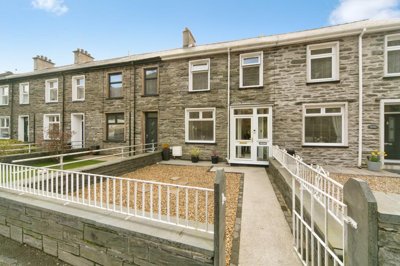
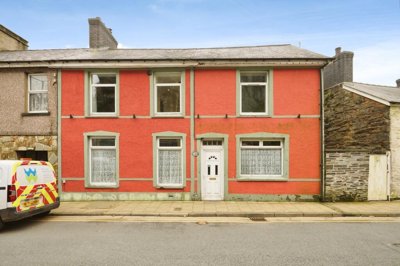
Ffestiniog sits within Snowdonia National Park in Gwynedd, North Wales, with a community population of approximately 4,666 according to the 2021 census, down slightly from 4,875 in 2011. The area encompasses both the historic town of Blaenau Ffestiniog and the smaller village of Llan Ffestiniog, each offering distinct character. The population of Blaenau Ffestiniog itself now stands at around 4,000 residents across approximately 2,283 households, representing a close-knit community with strong ties to its industrial heritage.
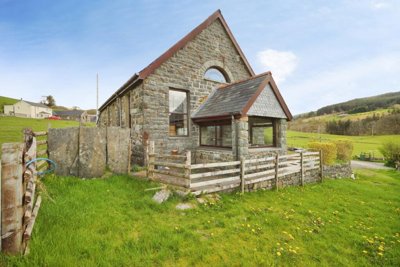
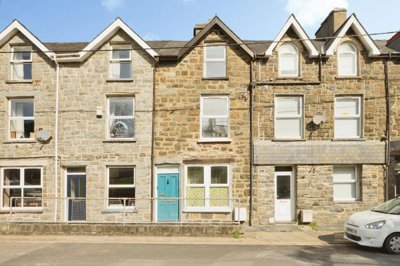
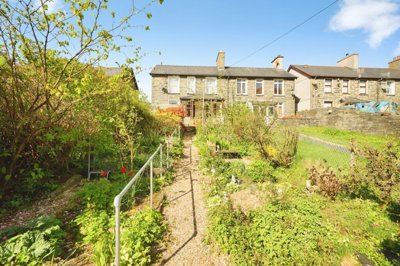
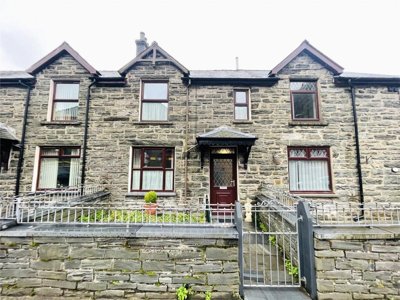
The geological landscape defines much of the local character, with the Vale of Ffestiniog underlain by Cambrian and lower Ordovician sandstones, siltstones, and mudstones, intruded by cone sheets from the Snowdon caldera. The region is famous for its Ordovician slate formations, which have been quarried for over 200 years and remain a defining feature of the built environment. Properties in the area typically feature slate roofing, and many homes are constructed from local stone, reflecting the traditional building methods passed down through generations.
The local economy has shifted dramatically from its industrial origins. While slate quarrying once employed the majority of the workforce, with the industry peaking in the 1860s, tourism now serves as the largest employer. The Ffestiniog Railway, one of Wales's premier heritage railways, and the Llechwedd Slate Caverns attract visitors from across the UK and beyond. Llechwedd remains a working quarry, demonstrating the continued legacy of the slate industry. The area's unique combination of industrial heritage, stunning natural landscape, and outdoor attractions makes it an attractive location for both residents and holiday let investors.
Transport connectivity has improved with the recently reopened railway line connecting Blaenau Ffestiniog to the wider rail network via Betws-y-Coed and Llandudno Junction, enhancing accessibility for residents and visitors alike. Road connections provide access to the A5 and the coast at Porthmadog, approximately 12 miles away. Local amenities include schools, shops, and community facilities serving the resident population, while the seasonal influx of tourists supports the local hospitality and service sectors.











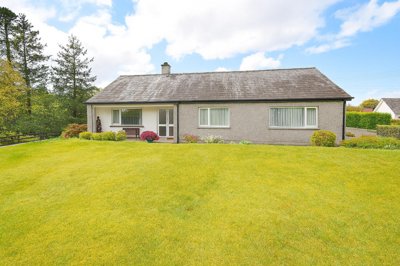
 Tom Parry & Co
-7d ago
Tom Parry & Co
-7d ago