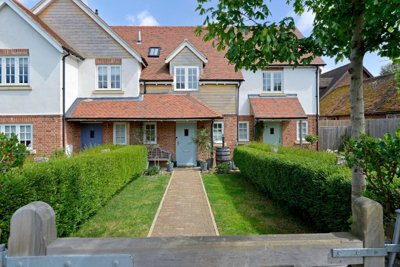
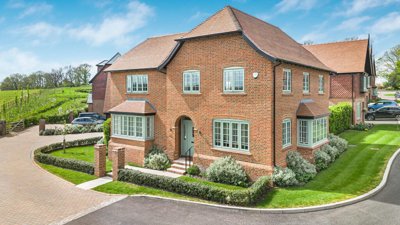
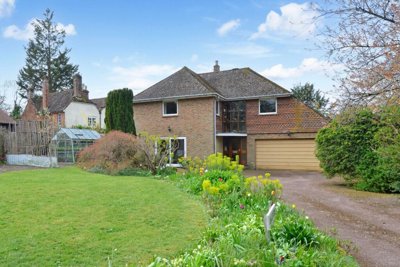
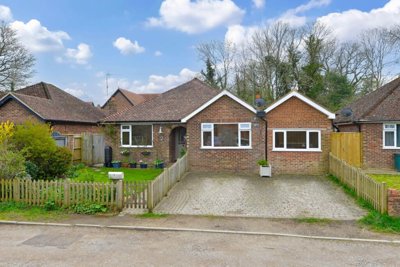
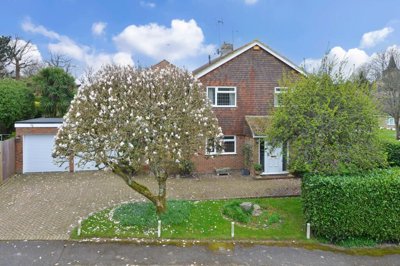
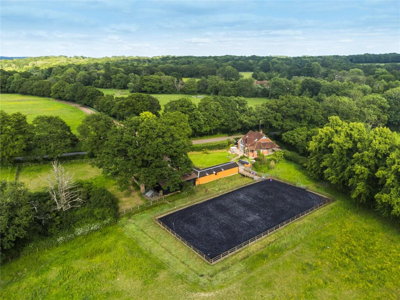
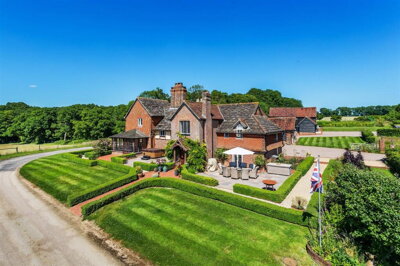
Ewhurst is a village of approximately 2,750 residents according to the 2021 Census, situated in the borough of Waverley, Surrey. The village maintains a strong community character with a population spread across around 1,050 households, creating a tight-knit atmosphere that appeals to families and retirees alike. The housing stock reflects this established community, with 60.5% detached properties, 20.3% semi-detached, 10.2% terraced, and only 9% flats, making Ewhurst predominantly a market for family homes.
The geology of Ewhurst presents important considerations for property buyers, as the village sits on Weald Clay formation known for its shrink-swell potential. This clay soil expands when wet and contracts during dry periods, creating movement that can affect foundations, particularly in older properties with shallower foundations. Prospective buyers should factor this into their surveys, and the high proportion of properties over 50 years old (approximately 70% built before 1980) means that structural considerations are particularly relevant in this market.
Ewhurst benefits from excellent transport connectivity despite its rural character, with the village providing access to both Guildford and Cranleigh for everyday amenities and commuter services. The village sits within the Surrey Hills Area of Outstanding Natural Beauty, contributing to its attractive setting and strong demand from buyers seeking countryside living within manageable distance of London. Local schools in the area consistently perform well, adding to family appeal, while the range of village shops, pubs, and community facilities supports everyday living without requiring travel to larger towns.
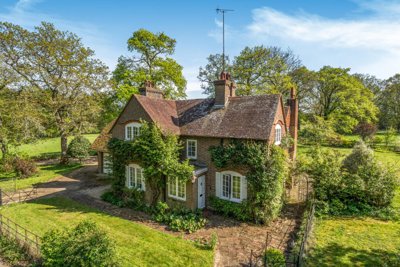
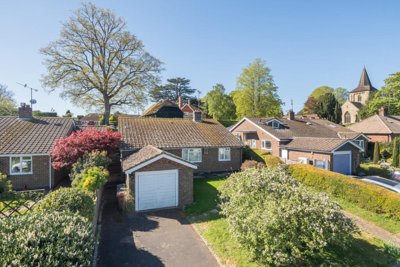
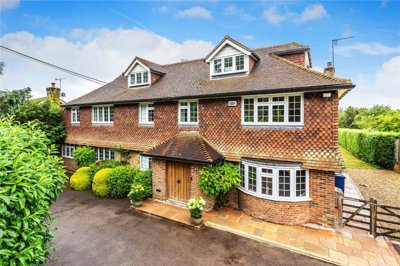
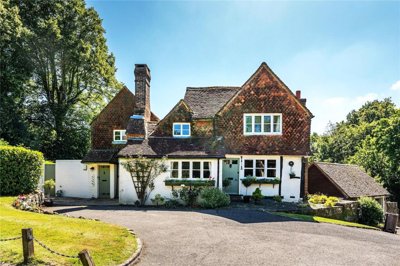
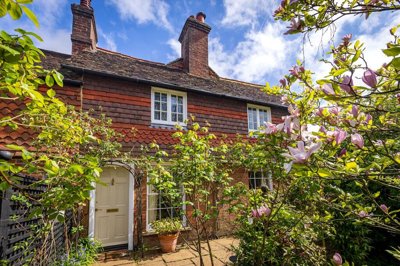
The local architecture reflects Ewhurst's heritage, with traditional Surrey vernacular styles featuring characteristic tile-hanging on upper storeys, red brickwork, and timber-framed elements visible in the older properties around the village centre and along the main approaches. Properties within the designated Conservation Area, particularly those near St Peter and St Paul's Church, benefit from special protections and often command premiums reflecting their historic character and the constraints that preservation imposes on modification.











 House. Partnership
-3d ago
House. Partnership
-3d ago