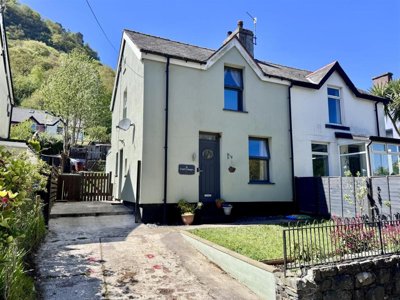
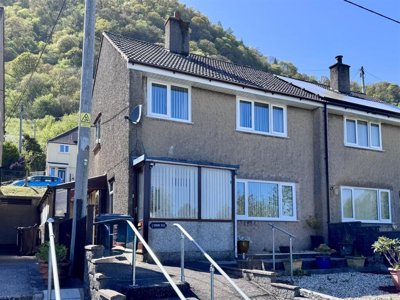
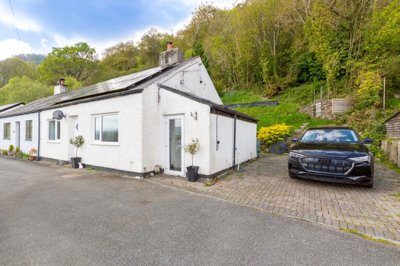
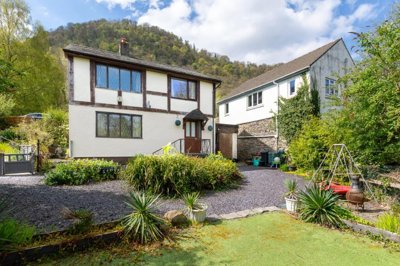
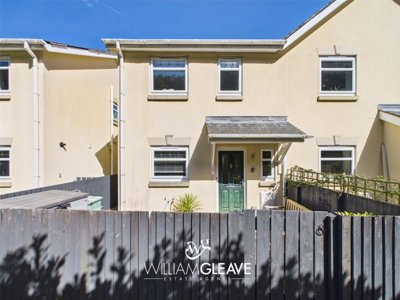
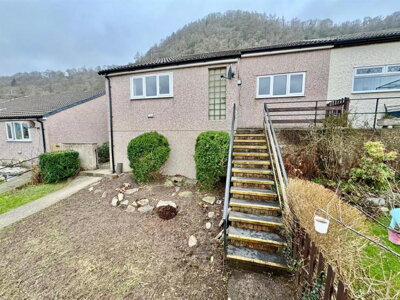
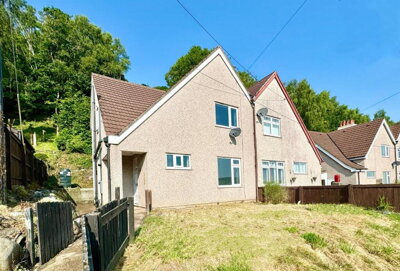
Dolgarrog is a village with a rich industrial heritage and a unique geographical setting in the Conwy Valley. Originally home to an 18th-century flour mill and later a woolen mill, the village became notable for the Aluminium Corporation works established in the early 1900s. Today, the legacy of this industrial past is being transformed through tourism and leisure, most prominently with Surf Snowdonia occupying the old factory site and bringing visitors from across the UK to experience the world's first commercial artificial surfing lake. The wholesale and retail sector employs 21.2% of residents, while construction accounts for 13.0%, reflecting the ongoing development and maintenance of the local housing stock.
The geology of Dolgarrog is dominated by Ordovician slates with contemporary and intrusive igneous formations, creating the dramatic steep escarpment of the Conwy valley. The valley floor is covered with alluvial deposits, while boulder clay containing pockets of peat lines the hanging valleys, and peat also covers much of the uplands. The soils in the area are badly drained and acidic, which is typical of the Conwy Valley floor. These geological conditions are important considerations for anyone purchasing property in the area, particularly regarding foundations and drainage. The presence of peat in some areas can also indicate potential ground movement issues that may require specialist assessment.
Prospective buyers should be aware that Dolgarrog carries significant flood risk due to its position along the River Conwy. The village has a tragic history of catastrophic flooding, most notably in 1925 when the failure of two dams caused a flood that swept through the village and claimed 16 lives. Today, flood warnings and alerts are a regular occurrence during periods of heavy rainfall, and the Conwy Valley communities remain vulnerable to rising waters. Properties in lower-lying areas near the river require particular consideration, and we strongly recommend that buyers commission a RICS Level 2 Survey to assess any flood-related damage or potential risks before committing to a purchase. Climate change is increasing the risk of extreme weather events, making flood resilience an increasingly important factor for property owners in the area.
Transport links serving Dolgarrog include the A470 road running through the village, providing connections to Conwy and Llandudno to the north and to Betws-y-Coed and the A55 expressway to the east. The nearest railway stations are at Llandudno Junction and Colwyn Bay, offering mainline services to Manchester and Liverpool. The village has a small primary school and benefits from proximity to larger settlements for secondary education and healthcare facilities. Daily bus services connect Dolgarrog to Conwy and Llandudno, though private transport remains essential for most residents given the rural location.










 Iwan M Williams
-5d ago
Iwan M Williams
-5d ago