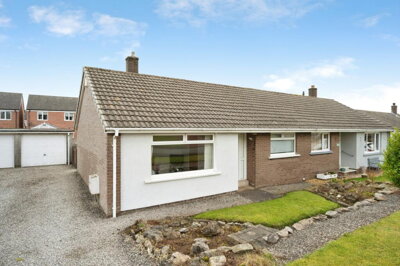
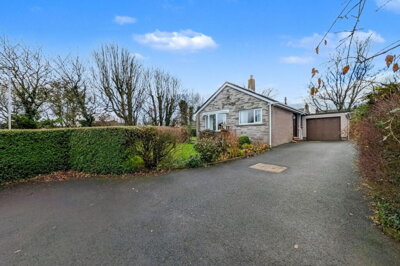
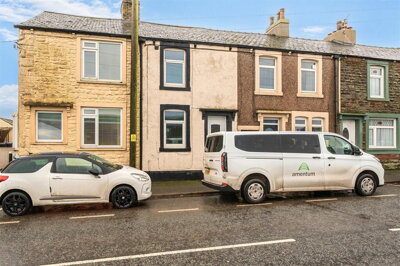
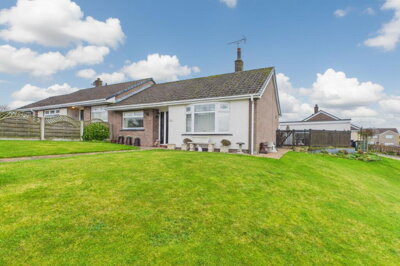
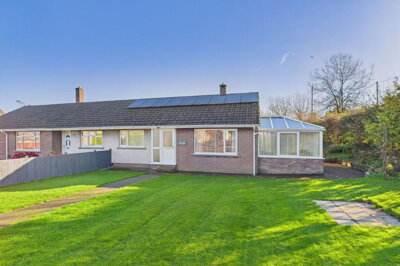
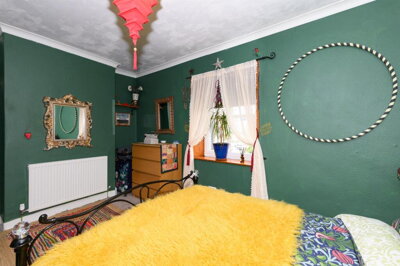
Dearham occupies a picturesque position in the Allerdale district of Cumberland, characterised by its proximity to the River Marron and the rolling Cumbrian countryside. The village maintains a close-knit community feel with a population of 1,328 residents across 569 households, according to the 2021 Census. This scale offers a peaceful rural lifestyle while remaining connected to larger employment centres in West Cumbria, including the significant Sellafield nuclear site which continues to influence the local housing market through its substantial workforce requirements.
The geological landscape around Dearham reflects the complex geology of West Cumbria, with underlying Carboniferous limestones, sandstones, and shales. Properties in the area may encounter moderate to high shrink-swell potential from clay-rich superficial deposits, particularly during periods of extreme weather. The glacial till deposits prevalent in the area can create ground movement challenges for older properties, especially where drainage may be compromised. Prospective buyers should factor this into their considerations, especially when purchasing older properties that may show signs of movement over time.
Flood risk represents a notable consideration for certain properties in Dearham, particularly those near the River Marron or in areas prone to surface water accumulation during heavy rainfall. The area's history as part of the former coal and iron ore mining region of West Cumbria also means that some properties may require a mining search as part of the conveyancing process. We always recommend that buyers factor in appropriate surveys given these local ground conditions, as issues identified early can prevent complications during the transaction process.
Transport links connect Dearham to nearby towns including Workington, Maryport, and Cockermouth, making it viable for commuters while retaining its village character. Local schools and amenities serve the community well, with the village offering everyday essentials while larger shopping and leisure facilities are accessible in the surrounding towns. Employment in the area spans agriculture, small local businesses, and the significant Sellafield nuclear site in the wider West Cumbria region, which continues to influence the local housing market through its substantial workforce requirements.











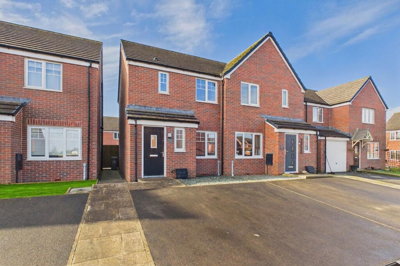
 First Choice Move
-20d ago
First Choice Move
-20d ago