Danbury occupies a distinctive position as an affluent village community situated on a gravel plateau with underlying London Clay, approximately four miles east of Chelmsford city centre. The village retains a strong sense of community with approximately 6,000 to 6,500 residents across roughly 2,500 to 2,700 households, creating an environment that appeals particularly to families and retired couples seeking tranquility without sacrificing connectivity. The local economy centres on small businesses, retail, education through Danbury Park School, and healthcare services, while many residents commute to Chelmsford, London, and surrounding towns via the A414 and local rail connections.
The geology of Danbury presents important considerations for property owners and buyers. The underlying London Clay creates a moderate to high shrink-swell risk, particularly in areas with mature trees and vegetation, which can affect foundations and lead to structural movement over time. Surface water flooding represents a genuine concern in lower-lying areas around the village centre, though Danbury itself is not adjacent to major rivers and faces no coastal flood risk. Properties in affected areas may require specific insurance considerations and potential mitigation measures. These geological factors make it particularly important for buyers to commission thorough surveys when purchasing in Danbury.
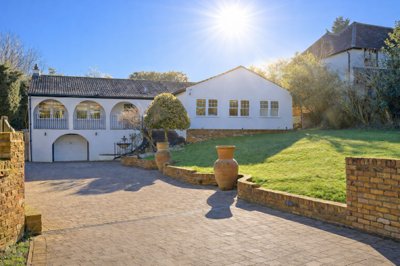
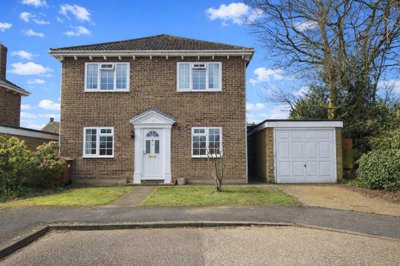
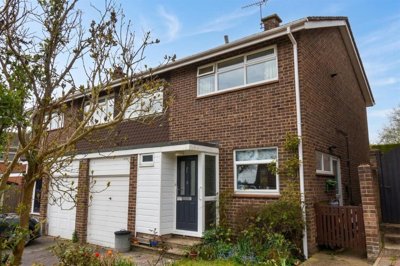
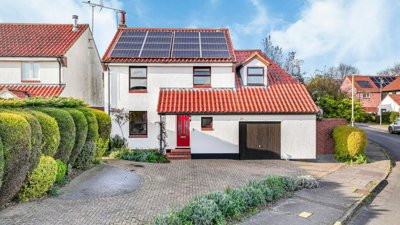
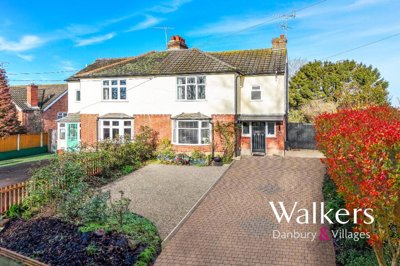
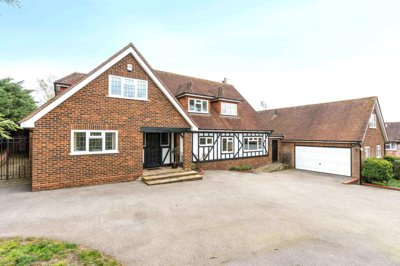
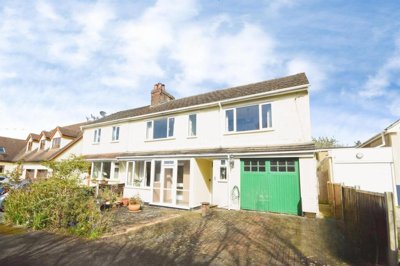
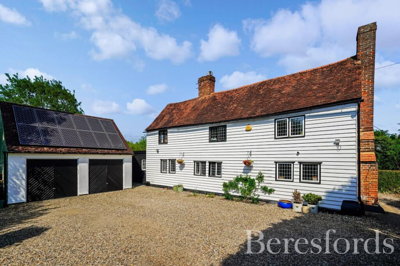
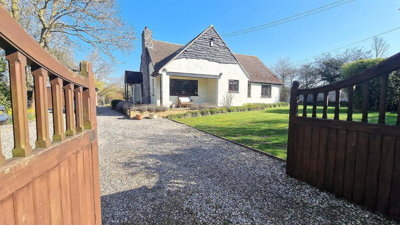
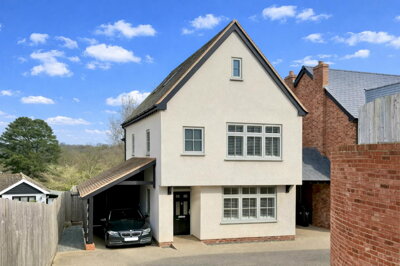
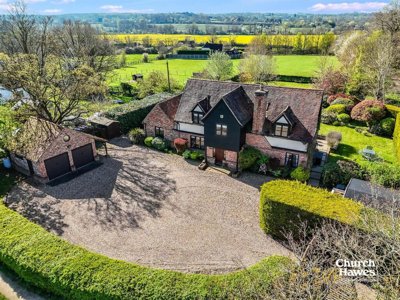
Danbury's housing stock reflects its evolution from historic village to desirable commuter settlement. Census data shows approximately 50.8% of properties are detached, with 27.5% semi-detached, 11.2% terraced, and 10.5% flats. A significant proportion of homes pre-date 1919, particularly within the conservation area centred around St. John the Baptist Church and Danbury Palace, which features numerous listed buildings including Grade I and Grade II listed properties. This architectural heritage adds character but also means many properties require careful surveying to identify potential structural issues associated with older construction, including damp, timber defects, and outdated electrical systems.
The village's conservation area encompasses the historic core, including Danbury Palace and properties surrounding the church, where planning restrictions may affect renovation possibilities. Buyers interested in older properties in these areas should factor in the additional considerations that come with listed building status, including English Heritage requirements for alterations. The mix of period properties, post-war family homes, and modern developments from the 1980s onwards creates a diverse market where agents with specific local knowledge can add significant value.
- Population approximately 6,000-6,500
- Conservation area with listed buildings
- Strong commuter links to Chelmsford and London
- Local schools including Danbury Park School
- 50.8% detached properties











 Church & Hawes
-5d ago
Church & Hawes
-5d ago