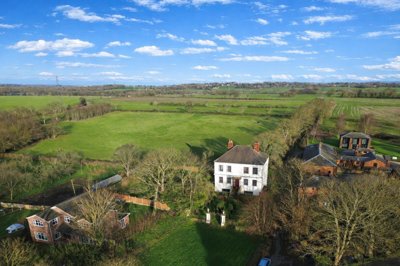
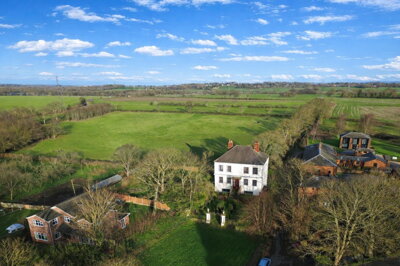
Cronton is a village with genuine historical depth, recorded as an ancient settlement with buildings containing remnants dating from the late medieval period. The Town End Conservation Area, designated in March 1978, preserves the character of the former hamlet centred around Cronton Hall, an early 18th-century Queen Anne style manor house that remains the focal point of the area. Eight Grade II listed buildings dot the village, including the medieval Cronton Cross base, the handsome Town End Farmhouse with its red sandstone and half-timber construction, and Sunnyside Farmhouse, an 18th-century building still featuring its original wattle and daub wall.
The underlying geology presents important considerations for property owners. Cronton sits atop extensive coal measures buried beneath glacial boulder clay, and the former Cronton Colliery operated from 1913 to 1984, employing 560 men at its peak. This mining heritage, combined with the presence of boulder clay, creates potential for ground movement and shrink-swell behaviour that can affect foundations. Properties in the village require careful structural consideration, particularly older buildings and those in areas of conservation significance. Our recommended agents understand these local issues and can advise sellers on how they might affect your sale.
Demographically, Cronton houses a population of approximately 1,234 residents across a community that maintains a pleasant village atmosphere while benefiting from proximity to major economic centres. The population estimate for mid-2024 stands at 1,239, indicating stable growth. Local amenities include two traditional pubs, The Unicorn and The Dandelion Tavern, and Holy Family Primary school serves the educational needs of families. The village sits just 10 miles from Liverpool city centre, with Manchester accessible within a 30-minute drive via the M62, making it ideal for commuters seeking village living with city connectivity.
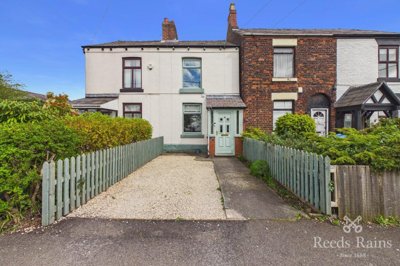
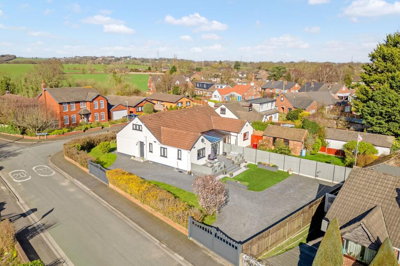
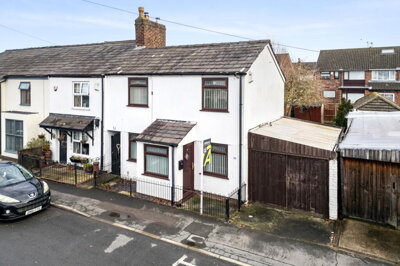
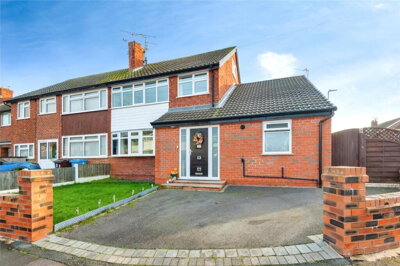
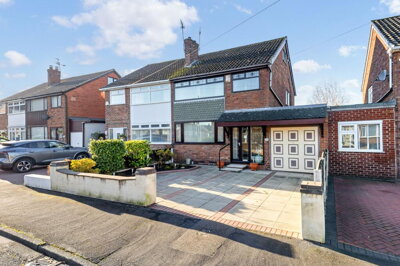
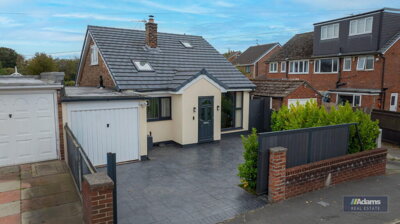
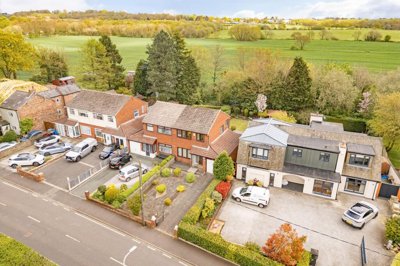
The housing stock in Cronton reflects its varied history, from 17th-century timber-framed buildings through to modern family homes built in the mid-20th century. This mix creates a diverse market where different property types appeal to different buyer segments. Period properties in the conservation area tend to attract buyers seeking character, while the semi-detached homes built in the 1950s and 1960s dominate the family home market. Understanding these nuances helps our agents target the right buyers for your specific property.











 Ashtons Estate Agency
-3d ago
Ashtons Estate Agency
-3d ago