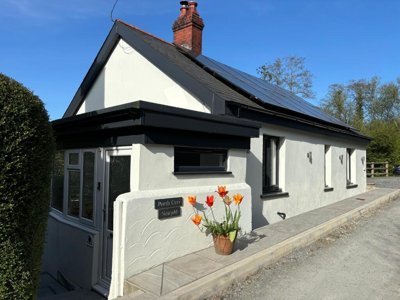
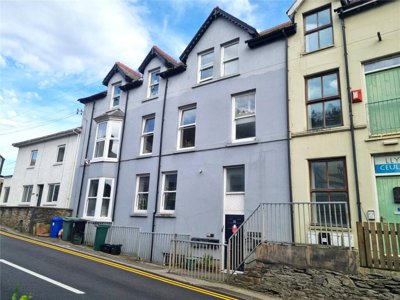
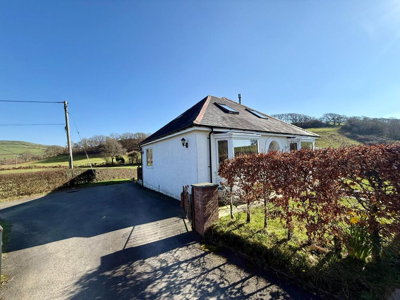
Ceulanamaesmawr occupies a striking position in north Ceredigion, nestled between the foothills of Pumlumon (the highest peak in Mid Wales) to the east and the expansive Cors Fochno bog to the west. The community takes its name from the rivers Ceulan and Maesmawr, which flow through the valley before joining the Eleri. This geography creates a landscape of rolling hills, working farmland, and areas of peat bog, with the rivers presenting some consideration for prospective buyers in terms of flood risk assessment.
The local economy centres on agriculture, with around 25 successful family farms operating in the surrounding area. The village itself supports a village shop, garage, pharmacy, hairdressing salon, café, and two pubs, while the biggest employer is Y Lolfa Press, a well-known Welsh-language publishing house based locally. Many residents commute to work in Aberystwyth, which lies approximately 12 miles to the south, benefiting from the town's university, hospital, and range of employment opportunities. The median household income of £33,493 in 2019 was notably higher than both the Ceredigion average of £27,754 and the Welsh average of £27,962.
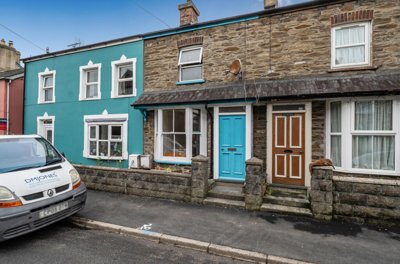
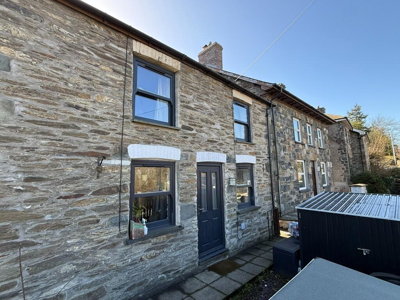
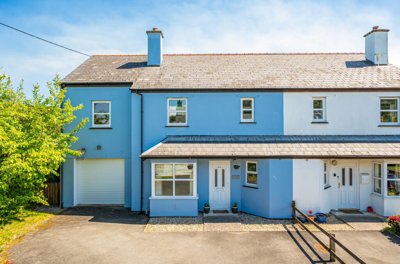
Building materials in Ceulanamaesmawr reflect the local geology and tradition, with rubble stone walls topped with slate roofs dominating the historic properties. This is evident in the listed buildings such as Ceulan Mills, a later 19th-century woollen mill dated 1891, and Capel Bethesda, a chapel built around 1855. The area's industrial heritage includes lead mining in the surrounding valleys and hills, which is worth noting for potential buyers as former mining activity can sometimes be associated with ground stability considerations.
The population has shown a slight decline of 2.4% between 2011 and 2021, from 1,910 to 1,864 residents, suggesting a stable but modestly shrinking community. This demographic trend is consistent with many rural Welsh communities, though the higher-than-average household incomes indicate a economically resilient population. For property sellers, this suggests a market of buyers who value the rural lifestyle and have the financial means to invest in quality homes.










 Morris Marshall & Poole
-1d ago
Morris Marshall & Poole
-1d ago