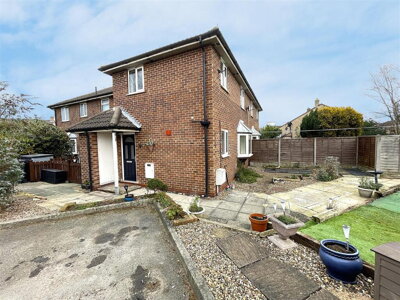
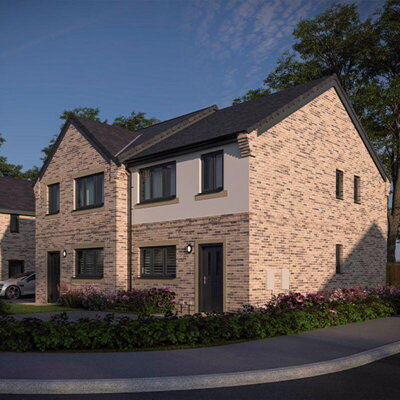
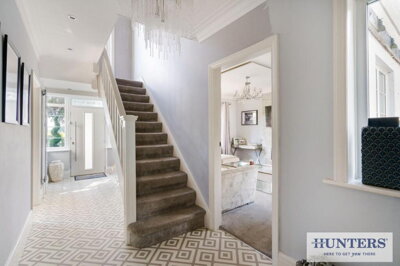
Camblesforth nestles in the Vale of York, situated on the flood plain of the River Ouse with stunning countryside views and access to riverside walks. The village maintains a Conservation Area centred around historic Main Street and the area around St. John the Baptist Church, a Grade II* listed building that anchors the community's heritage. Several farmhouses and cottages throughout the village carry Grade II listing status, reflecting the agricultural origins that shaped Camblesforth's development over centuries.
The local geology presents important considerations for property owners and buyers. The superficial deposits of alluvium, comprising clay, silt, sand, and gravel, overlie Sherwood Sandstone bedrock. This clay-heavy composition creates a moderate to high shrink-swell risk, meaning foundations can move with seasonal moisture changes. Properties with large trees nearby require particular attention, and prospective buyers should factor this into their survey requirements. Flood risk is another environmental consideration, with parts of Camblesforth falling within Flood Zone 2 and Flood Zone 3 along the River Ouse corridor.
Transport connections make Camblesforth particularly attractive to commuters. The A19 runs close to the village, providing direct routes to Selby, Doncaster, and York, while the M62 motorway is accessible for journeys to Leeds and Hull. The village has a population of 1,811 across 758 households according to the 2021 Census, with employment largely centred on commuting to larger towns and cities. The local economy includes small businesses and services serving the village and surrounding rural community, while the nearby Selby district continues to develop industrial and commercial facilities.
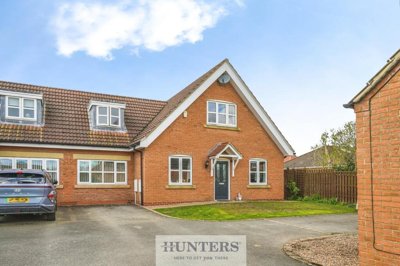
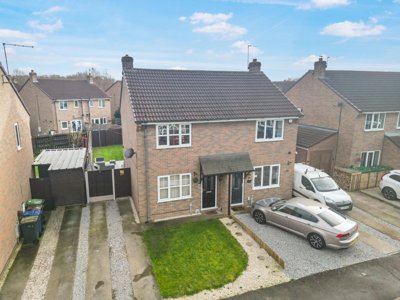
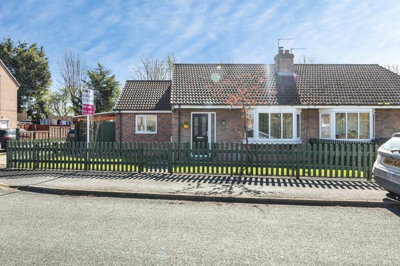
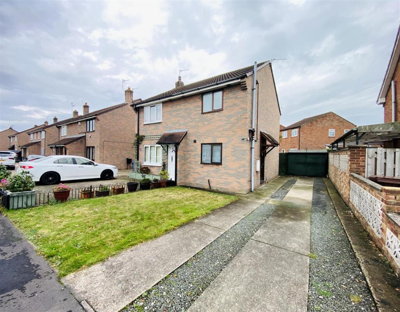
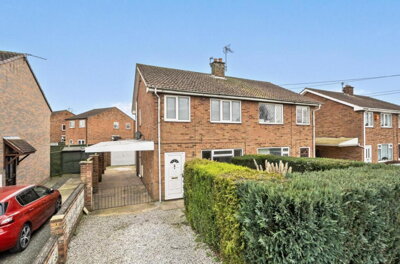
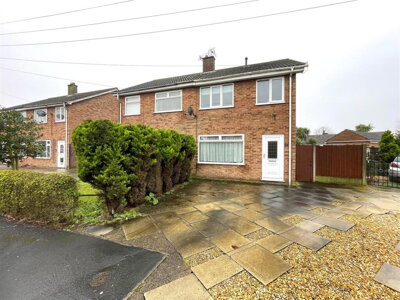
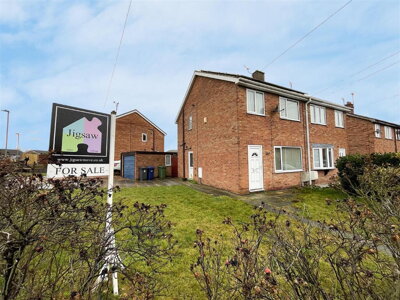
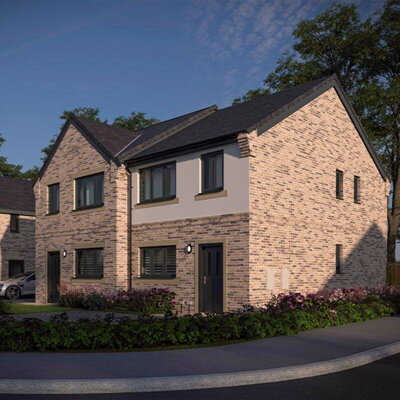
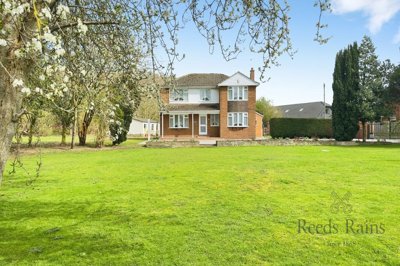
The predominant building material in Camblesforth is red brick, with older properties featuring solid brick walls while post-war and newer homes typically have cavity wall construction. Roofs commonly use clay tiles or slate, reflecting traditional Yorkshire building methods. The property age distribution shows 15.2% built pre-1919, 18.7% between 1919-1945, 38.1% from 1945-1980, and 28.0% post-1980, meaning over 70% of homes are over fifty years old where surveys become particularly valuable.










 Reeds Rains
-3d ago
Reeds Rains
-3d ago