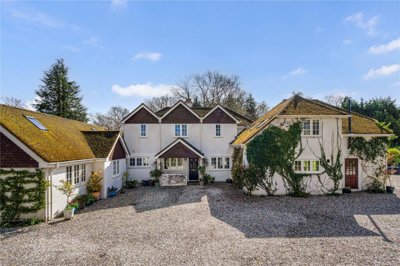
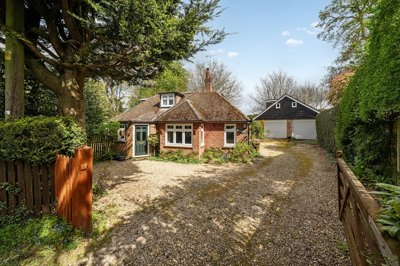
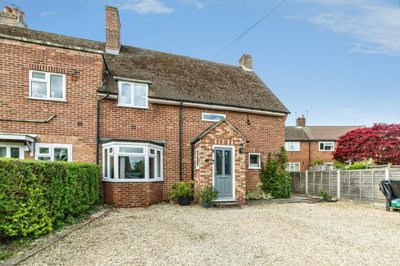
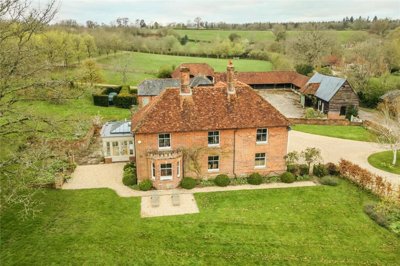
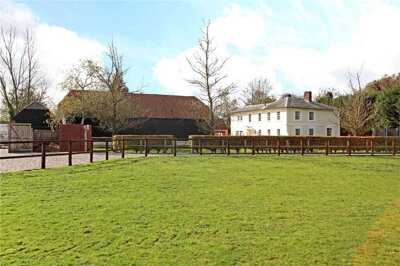
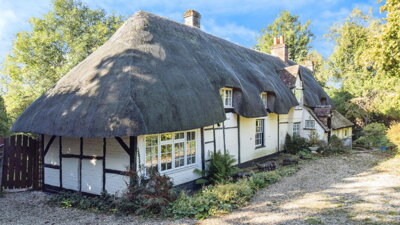
Burghclere is a village steeped in history, with a settlement pattern that traces back centuries. The parish contains numerous listed buildings spanning various periods, from the Church of All Saints in Old Burghclere dating from around 1100 to the Victorian Gothic Church of the Ascension built in 1838. The Manor Barn, an impressive eight-bay aisled threshing barn dating from 1451-1453, stands as one of the finest medieval agricultural buildings in Hampshire and exemplifies the agricultural heritage that shaped the village.
The local geology is predominantly chalk, with Old Burghclere Lime Quarry providing a small patch of chalk grassland habitat. This chalk geology generally offers stable ground conditions for buildings, though prospective buyers should always obtain appropriate surveys to check for any localized issues. The landscape is characterized by the steep north-facing chalk scarp of the North Wessex Downs, with ancient woodlands and relic areas of unimproved calcareous grassland creating an environment of significant ecological value.
The village falls within the North Wessex Downs Area of Outstanding Natural Beauty, and the Herbert Plantation serves as a designated Countryside Heritage Site and Local Nature Reserve. Burghclere Common and Earlstone Common provide accessible green spaces for residents, while the annual Burghclere Show brings the community together. The population stands at approximately 1,177 residents according to the 2021 Census, creating a close-knit community atmosphere that appeals to families and those seeking a quieter pace of life. The Beacon Hill Arch, a notable local landmark, and Budds Farmhouse are both Grade II listed structures that add to the area's historical character.
Local amenities include traditional pubs, churches, and village hall facilities, while the nearby town of Newbury provides comprehensive shopping, leisure, and healthcare services. The area is particularly popular with families due to the availability of good primary and secondary schools, with many children attending schools in the surrounding villages and towns.











 Strutt & Parker
-2d ago
Strutt & Parker
-2d ago