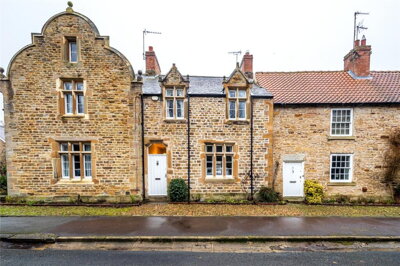
Brancepeth is a picturesque village nestled in the Durham countryside, famous for its stunning medieval castle and historic Church of St. Brandon. The village itself is designated as a Conservation Area, reflecting its architectural heritage and the presence of numerous listed buildings including Brancepeth Castle, a prominent Grade I listed building that dominates the local skyline. The village centre retains much of its historic character with traditional stone and brick properties, many dating back to the pre-1919 period, creating an atmosphere that appeals to buyers seeking authentic North East village life.
The geology underlying Brancepeth consists predominantly of Carboniferous rocks including coal measures, sandstones, and shales, with superficial glacial till deposits creating clay soils in many areas. This clay substrata presents a potential shrink-swell risk during extreme weather conditions, which can affect foundations particularly in older properties with shallower footings. Prospective buyers should be aware that the area sits within the former Durham coalfield, meaning historical mining activity could lead to ground stability concerns that require specialist investigation through mining reports from the Coal Authority.
Flood risk in Brancepeth centres primarily around areas adjacent to the River Wear, with properties in lower-lying positions facing potential fluvial flooding during periods of heavy rainfall. Surface water flooding can also occur in various locations depending on local drainage infrastructure, so buyers should inquire about flood risk for specific properties during the conveyancing process. The village benefits from good transport links, with regular bus services connecting to Durham city centre and the wider North East, while many residents commute to employment centres in Durham, Newcastle, and surrounding towns.
The local economy in Brancepeth is influenced by its rural setting, with agriculture and tourism playing roles through the castle grounds and associated golf course. The village benefits from its proximity to Durham city, one of the region's major employment and educational hubs, which drives significant commuter demand into the housing market. Local amenities include village shops, pubs, and recreational facilities, while residents have easy access to the comprehensive services, shopping, and cultural attractions that Durham city provides just a short journey away.










 Pattinson Estate Agents
-12d ago
Pattinson Estate Agents
-12d ago