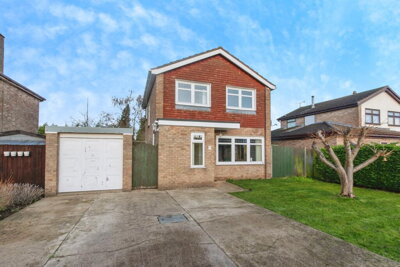
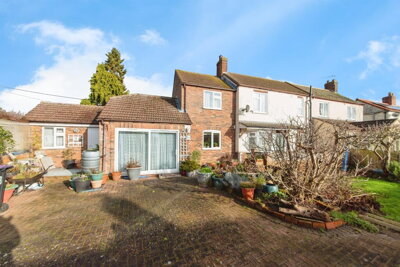
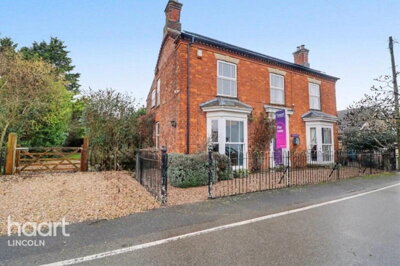
Billinghay is a village and civil parish in the North Kesteven district of Lincolnshire, situated approximately 8 miles northeast of Sleaford and around 15 miles south of Lincoln. The 2021 Census recorded a population of 2,059 residents across 915 households, making it a thriving rural community with good local amenities including a Co-op supermarket, primary school, and various village businesses. The village sits on the banks of the River Witham's tributary, the Billinghay Skirth, which contributes to the area's attractive rural character but also means certain parts of the village and surrounding agricultural land fall within flood risk zones as identified by the Environment Agency.
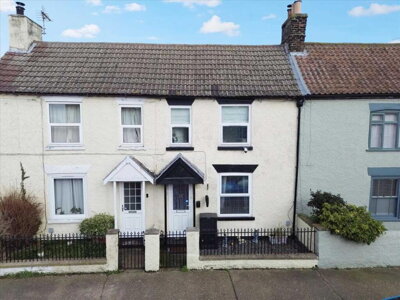
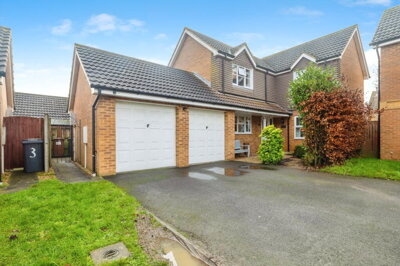
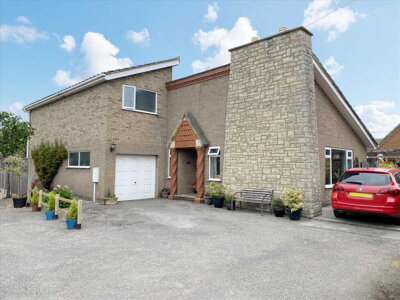
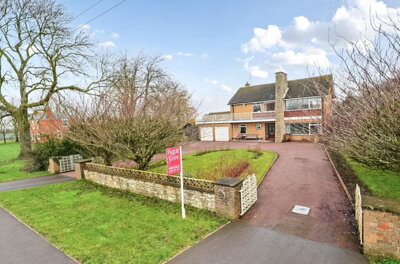
The historic core of Billinghay centres around St Michael and All Angels Church, with a designated Conservation Area covering parts of High Street, Church Street, and the area around the church. Several properties within this Conservation Area hold Grade II listed status, including The Old Rectory and various historic houses and cottages that reflect the village's agricultural heritage. The predominant building materials in Billinghay reflect standard Lincolnshire construction, with red brick walls and clay or concrete tile roofs characterising most properties. Properties in the village range from pre-1919 period homes in the Conservation Area through to post-1980 infill developments, giving the village a diverse housing stock that appeals to different buyer preferences.
From a geological perspective, Billinghay sits on superficial alluvial deposits comprising clay, silt, sand, and gravel, overlying bedrock of Lincolnshire Limestone Formation and older Jurassic clays. The clay content in these superficial deposits creates a potential shrink-swell risk that can affect building foundations, particularly during periods of drought or excessive rainfall. This geological characteristic means buyers should consider structural surveys when purchasing older properties, especially those with large trees nearby or poor drainage. The combination of flood risk near watercourses and the potential for clay-related ground movement makes professional surveys particularly valuable in this area.
The surrounding North Kesteven district shows a housing stock composition of approximately 42.1% detached properties, 33.1% semi-detached, 13.9% terraced, and 10.2% flats, reflecting the predominantly rural character of the area. Many residents commute to larger employment centres in Sleaford, Lincoln, and Boston, making the village's transport links important for the housing market. Local employment includes agricultural work, retail positions at the Co-op, and roles at the primary school and healthcare facilities, providing a stable economic base for the community.










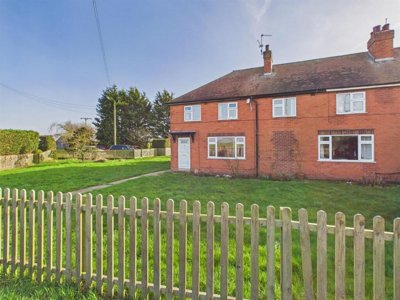
 Robert Bell & Company
-4d ago
Robert Bell & Company
-4d ago