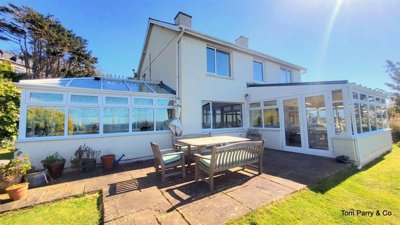
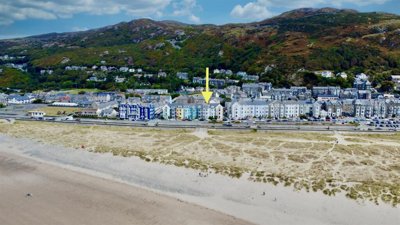
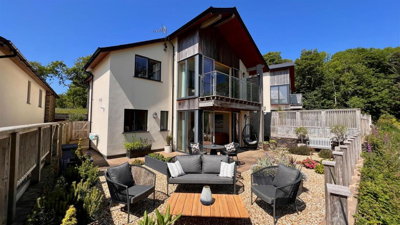
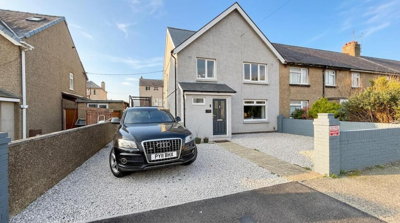
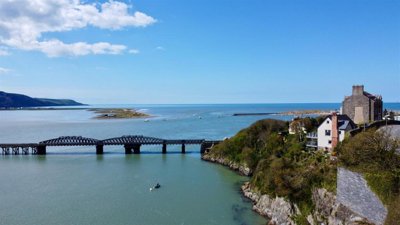
Barmouth sits on the Cambrian coast where the River Mawddach meets the Irish Sea, creating a dramatic landscape of mountain and sea that has attracted visitors since the Victorian era. The town forms part of the historic county of Gwynedd in North Wales, with a population of approximately 2,500 permanent residents across roughly 1,200 households. The local economy centres on tourism, retail, hospitality, and public services, with agriculture and fishing playing smaller but continuing roles in the surrounding area.
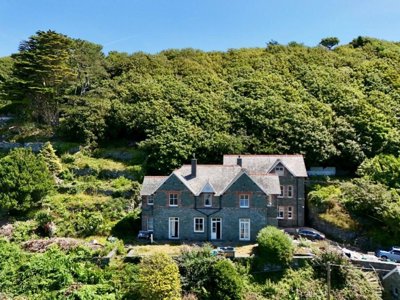
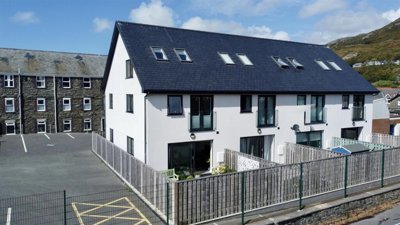
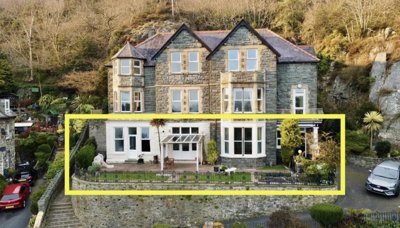
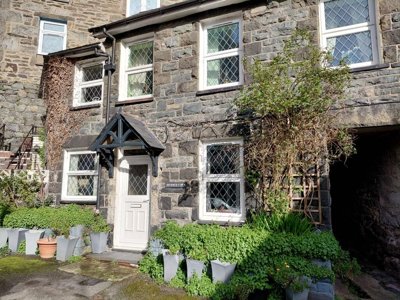
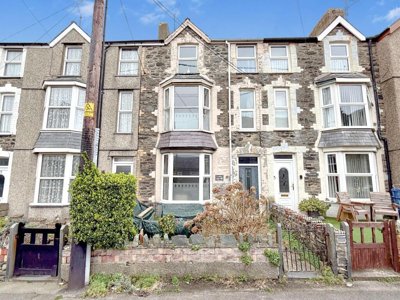
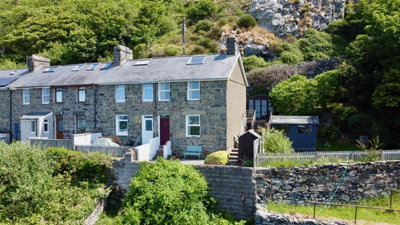
The geology of Barmouth consists primarily of Cambrian and Ordovician sedimentary rocks including slates, grits, and sandstones, which have historically provided the building materials for local properties. Traditional Welsh slate roofs and local stone walls characterise much of the older housing stock, while rendered finishes over stone or brick are also common. The underlying geology generally presents low shrink-swell clay risk, though localised pockets of superficial deposits can vary. Properties are predominantly constructed using traditional solid wall methods, with cavity wall construction becoming more common in properties built after the mid-20th century.
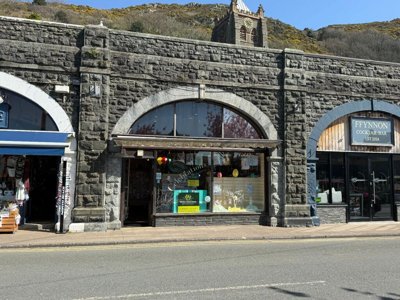
Flood risk is a significant consideration for property buyers in Barmouth due to its coastal location and position on the Mawddach Estuary. Coastal flooding poses risks along the seafront and low-lying areas, while fluvial flooding affects properties close to the river. Surface water flooding can occur in urbanised sections during heavy rainfall, and prospective buyers should consult the Welsh Water flood risk maps. The town has a designated Conservation Area covering the historic centre, harbour, and seafront, with numerous Grade II listed buildings requiring specialist consideration during any purchase or renovation.










 Monopoly Buy Sell Rent
-6d ago
Monopoly Buy Sell Rent
-6d ago