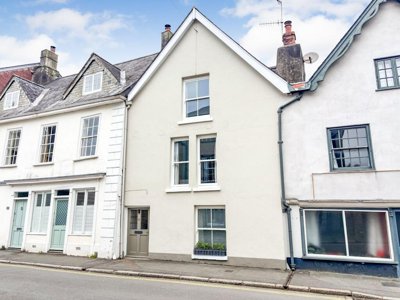
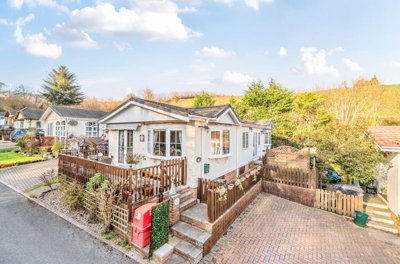
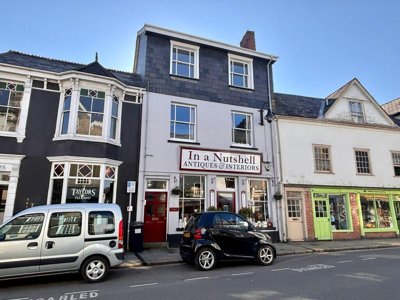
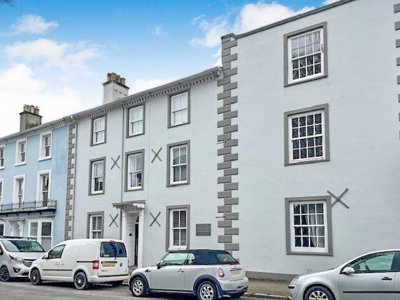
Ashburton sits at the gateway to Dartmoor National Park, preserving its medieval street layout and historic character through centuries of economic prosperity and decline followed by recent renewal. The town features a designated Conservation Area, first established in January 1971 and reviewed by Dartmoor National Park Authority, encompassing properties on St Lawrence Lane, Whistley Hill, Kingsbridge Lane, Ladwell Square, North Street, West Street, and East Street. This concentration of heritage includes numerous Listed Buildings, with notable examples dating back to the late medieval period, including the former inn at 65-67A East Street rebuilt in the early to mid-16th century.
The local geology presents specific considerations for property owners, with the British Geological Survey identifying a notable shrink-swell hazard score in the Ashburton area due to clay minerals in the soil. This geological characteristic means properties may be susceptible to subsidence, particularly during seasonal moisture changes, making thorough structural surveys particularly valuable for older properties. Additionally, Ashburton faces flood risk from the River Ashburn, with riverside properties and roads including the Bull Ring, East Street, West Street, North Street, Old Totnes Road, Church Path, Stonepark Crescent, Chuley Road, Kingsbridge Lane, St Lawrence Lane, Station Yard, and Tuckers Meadow falling within the flood warning area.
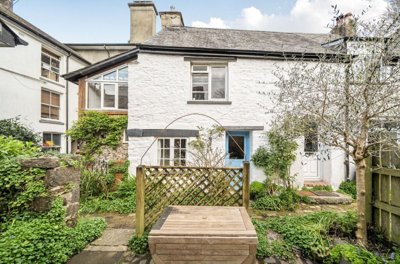
Building materials in Ashburton reflect the town's Devon heritage, with roofs predominantly finished in natural slate and many older properties featuring timber-framed front and rear walls with stone side walls. Solid rendered walls using stone rubble and cob are common in historic buildings, while the distinctive "Ashburton Marble," a limestone with spectacular coloured patterns of white calcite and red haematite, has been used decoratively around the region. The population stands at approximately 3,513 residents across 1,750 households, with the local economy historically rooted in tin mining as a Stannary Town, though today the tourism, retail, and health sectors form the employment backbone.











 Howard Douglas
-2d ago
Howard Douglas
-2d ago