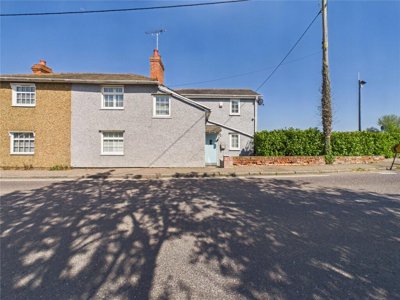
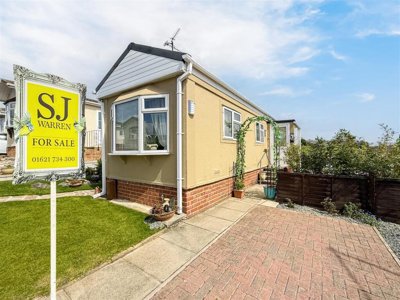
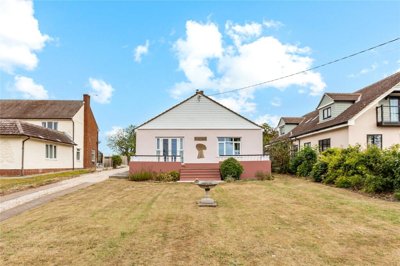
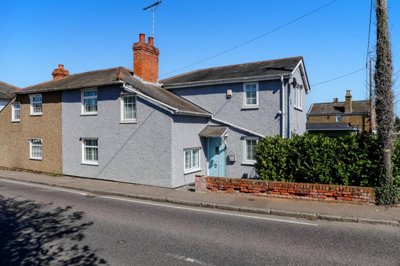
Althorne enjoys a distinctive character as a rural village on the Dengie Peninsula, offering residents a peaceful lifestyle while maintaining good connections to larger towns. The village features a number of Listed Buildings, including the historic St Andrew's Church, which adds architectural interest and preserves the area's heritage. The lack of designated conservation areas covering the main residential parts of Althorne village itself means that while the area is protected by building regulations, there is more flexibility for property modifications than in stricter conservation zones.
The local geology presents some important considerations for property owners and buyers. Althorne and the surrounding Dengie Peninsula sit on predominantly Quaternary superficial deposits overlying London Clay, with River Terrace Deposits and Alluvium found along the river estuaries. This geological foundation brings a moderate to high shrink-swell risk, particularly where properties are built on clay soils close to trees, as the London Clay can expand when wet and shrink when dry, potentially causing subsidence or heave issues for properties with inadequate foundations.
Flood risk is another environmental factor, with Althorne having areas of significant flood risk from both rivers and the sea due to its proximity to the River Crouch estuary, while surface water flooding can affect low-lying areas during heavy rainfall. The Environment Agency provides detailed flood risk maps for the area, and potential buyers should check these before committing to a purchase, particularly for properties close to the waterfront or in low-lying areas near the river.
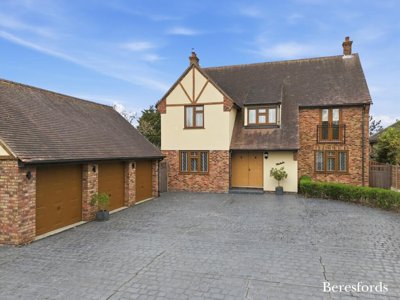
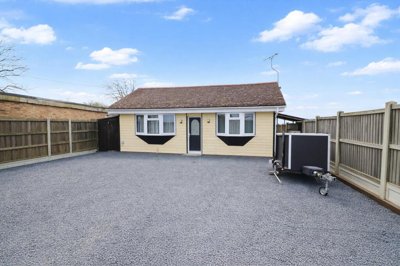
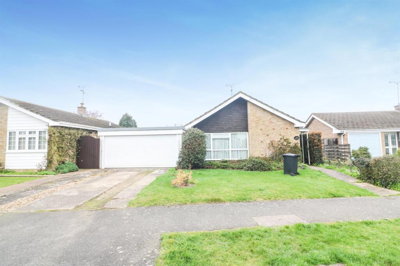
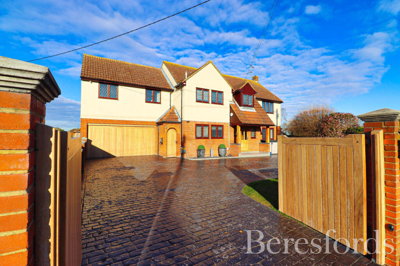
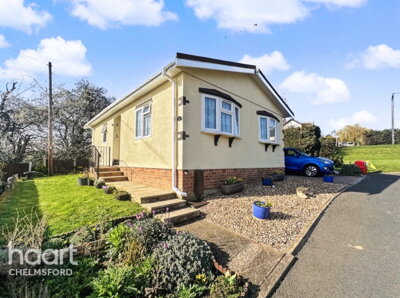
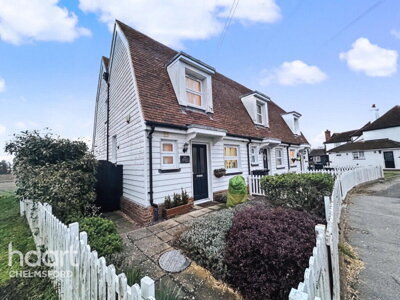
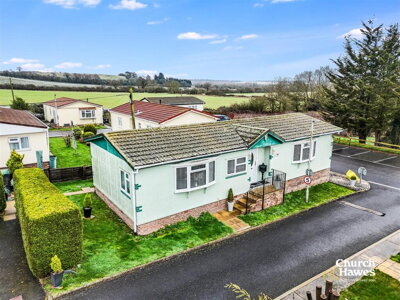
Transport links are a significant draw for Althorne, with the railway station on the Crouch Valley Line providing direct services to London Liverpool Street, making the village popular with commuters who work in the capital but prefer a quieter home environment. Many residents commute to larger towns like Maldon and Chelmsford for work, while local employment opportunities exist in agriculture, local services including shops and pubs, and marine-related industries given the area's coastal location. The property stock reflects this diverse community, with a mix of older traditional properties including pre-1919 cottages and farmhouses, alongside significant post-war development and some more recent builds from the 1980s onwards.











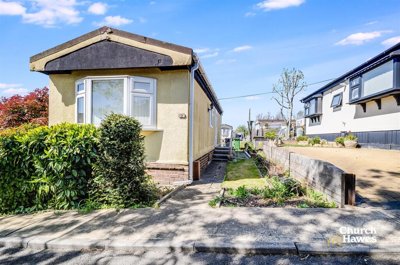
 Church & Hawes
-2d ago
Church & Hawes
-2d ago