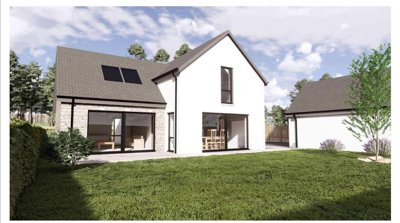
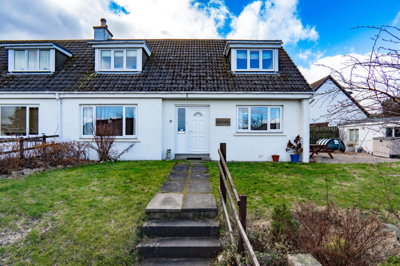
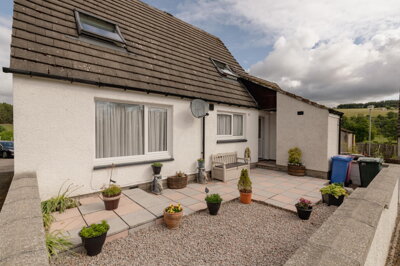
The AB37 area, centred on Grantown-on-Spey within the Cairngorms National Park, boasts a distinctive housing stock reflecting its Highland heritage. According to census data, detached properties comprise 55.4% of housing, semi-detached 23.1%, terraced 12.5%, and flats 9.0%, underscoring the rural character and predominance of family homes. Approximately 30% of properties pre-date 1919, constructed from traditional granite and local sandstone using solid wall methods that require specific expertise when marketing and selling. The town's Georgian planned layout, established in 1768, contributes to its distinctive architectural character and conservation area status.
The local geology presents both opportunities and considerations for buyers and sellers. Properties near the River Spey face fluvial flood risk, while the metamorphic bedrock and glacial deposits generally present low shrink-swell clay risk compared to other UK regions. The presence of conservation areas in Grantown-on-Spey and numerous listed buildings means sellers must consider specific survey requirements and potential buyer due diligence around traditional construction methods. The area's geology, dominated by schists, gneisses, and granite intrusions, creates distinctive building materials but also requires awareness of ground conditions for new development or extensions.
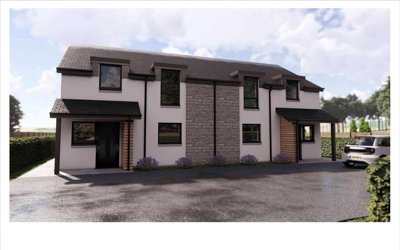
New build activity in the surrounding area includes Balmoral Gardens in Ballindalloch (AB37 9BA) offering 3-5 bedroom properties from £279,995 through Kirkwood Homes, plus smaller developments around Grantown-on-Spey from various local builders. These new properties provide alternatives to the older housing stock but represent a small portion of total available inventory. The balance between period properties requiring renovation and modern new-builds creates diverse opportunities for buyers, though stock availability remains constrained compared to urban markets.
Population and household data indicates approximately 6,500 residents across 3,000 households in the AB37 area, creating a close-knit community feel typical of rural Scottish towns. This population scale supports local services while maintaining the peaceful character that attracts buyers seeking escape from urban life. The seasonal population increases significantly during peak tourism periods (summer and winter sports seasons), which influences the holiday let market and creates additional demand for properties suitable for short-term rental income.











 Tailormade Moves
-19d ago
Tailormade Moves
-19d ago