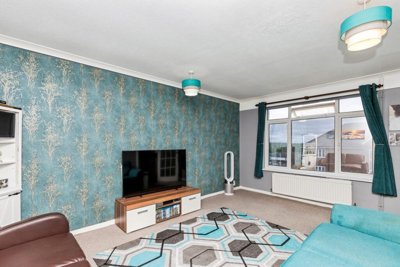
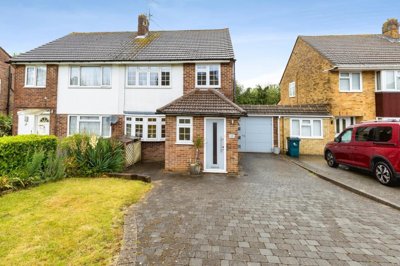
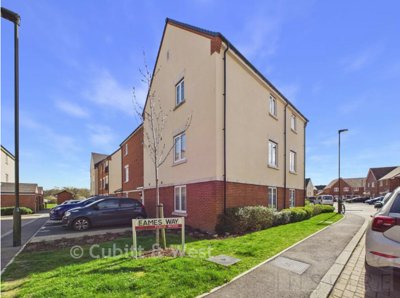
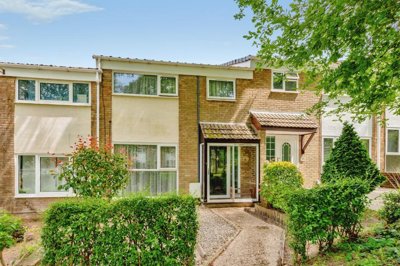
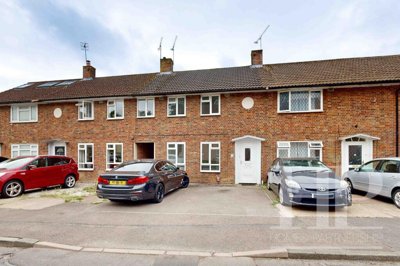
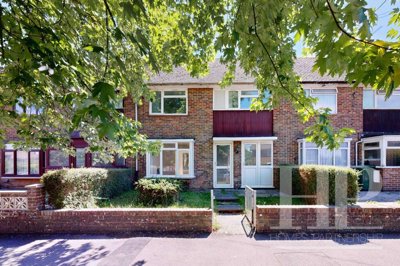
Crawley has enough sales volume to reward agents who understand buyer demand by neighbourhood, not just by postcode. The 1,323 completed sales recorded by homedata.co.uk cover older village areas such as Worth and Ifield, post-war New Town estates, flats near central employment areas and newer homes in Forge Wood. That variety changes how a property should be presented. A 2-bedroom flat near Three Bridges needs a different pitch from a 4-bedroom detached house near Worth.
New-build activity also shapes local pricing. Forge Wood, within Crawley to the north-east, includes 2, 3, 4 and 5 bedroom homes from Persimmon Homes, Taylor Wimpey and other developers involved in the wider master plan. Prices there sit around £320,000 to £550,000+, depending on size and specification. Sellers of nearly new homes nearby need an agent who can explain upgrades, warranties, energy performance and how their resale property compares with new stock.
Kilnwood Vale at Faygate, RH12 0GS, sits just outside the main Crawley urban area within the wider district context, bordering Horsham. Crest Nicholson homes there range from 2 to 5 bedrooms, with price levels from £370,000 to £700,000+. Crawley Down, RH10 4HH, includes Barratt Homes activity at Meadowbrook, with 2 to 5 bedroom homes around £350,000 to £600,000+. Those schemes influence expectations across the eastern and northern edges of Crawley, especially where buyers are weighing space against age of property.











 Astons
-1d ago
Astons
-1d ago