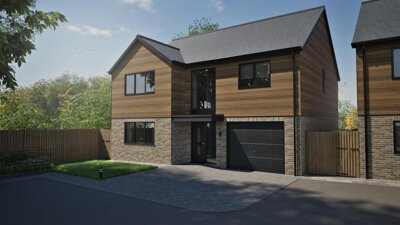
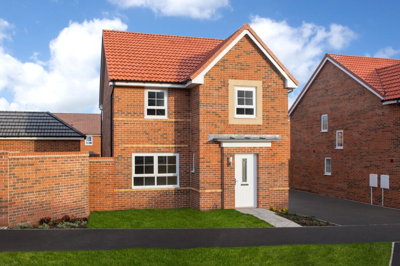
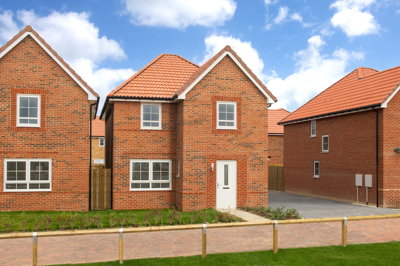
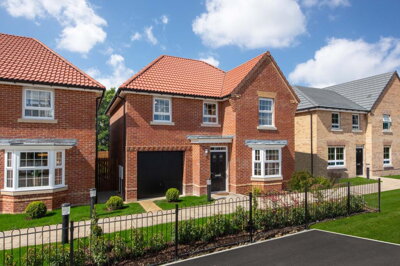
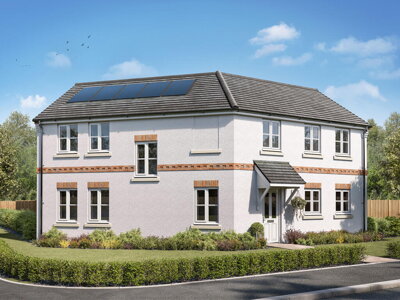
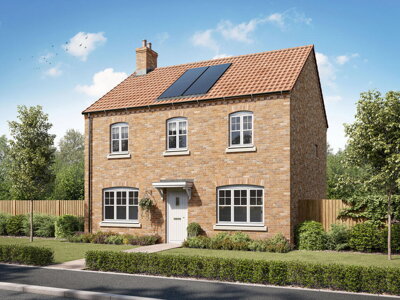
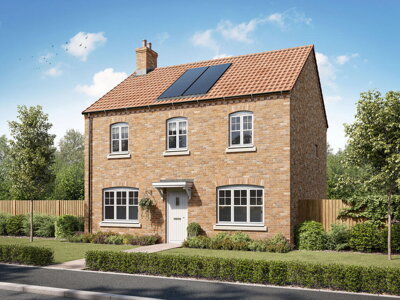
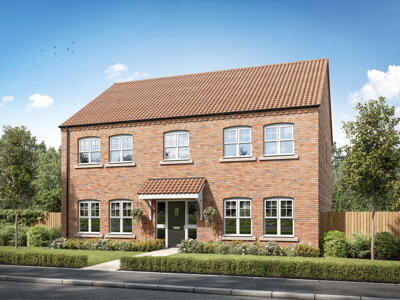
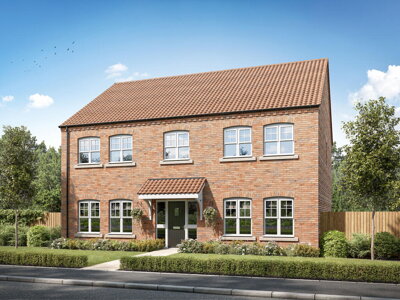
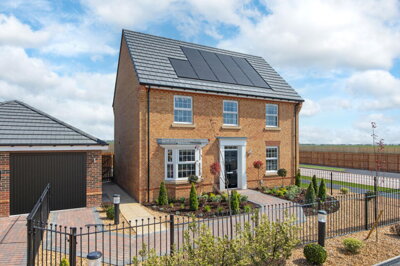
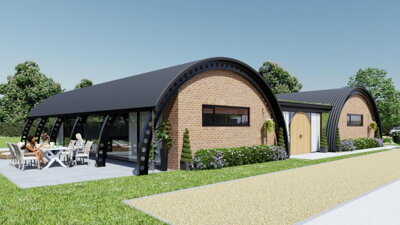
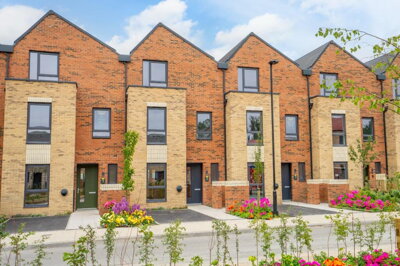
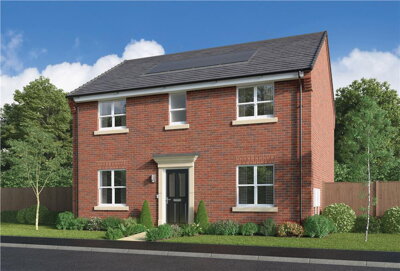
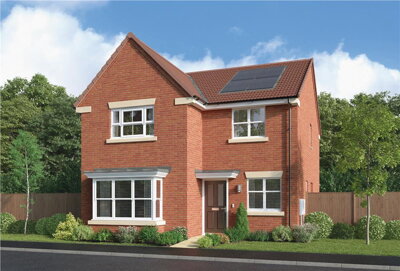
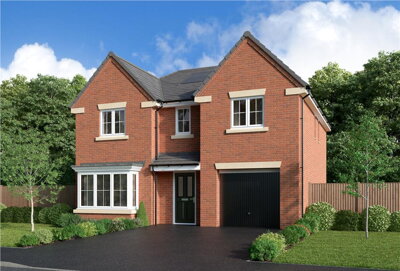
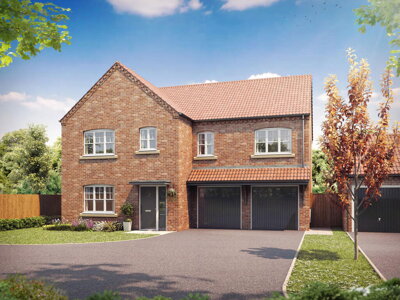
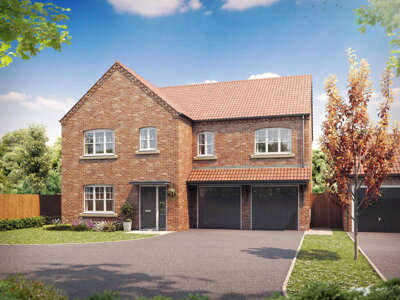
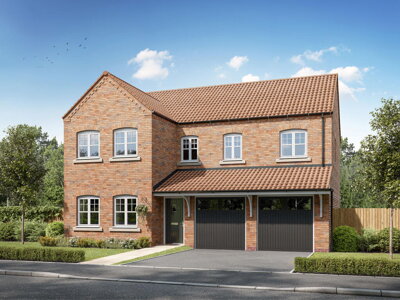
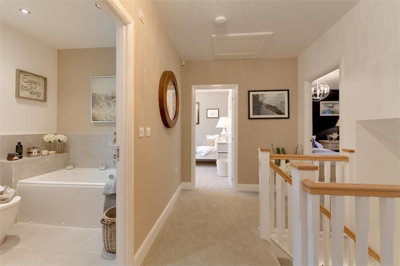
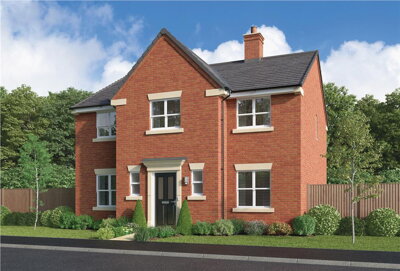
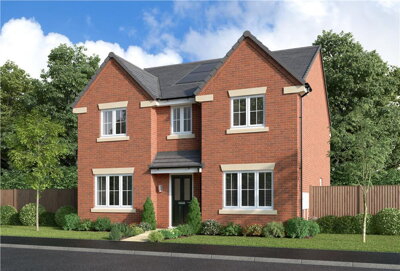
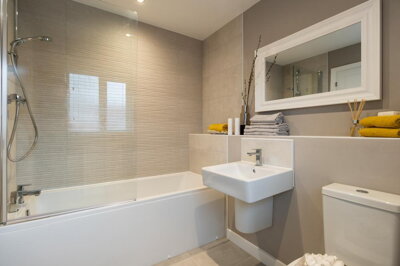
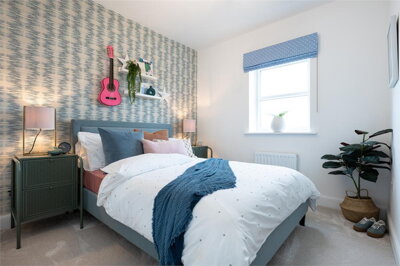
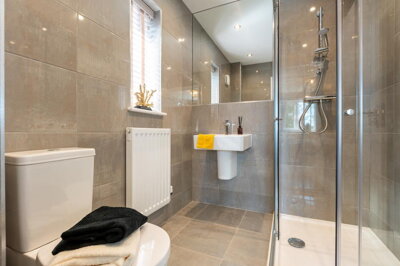
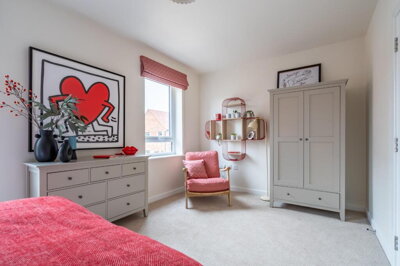
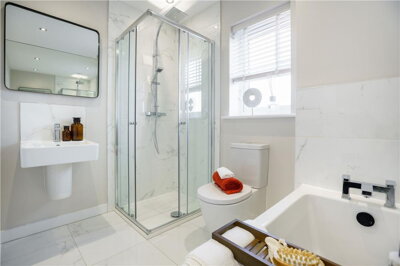
Browse 32 homes new builds in York, North Yorkshire from local developer agents.
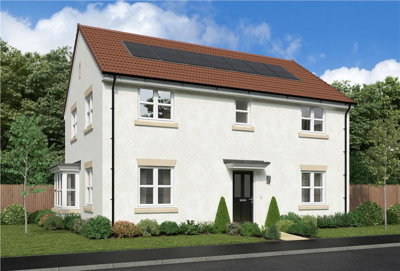
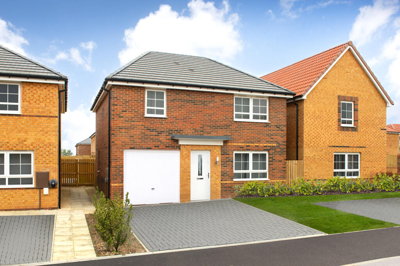
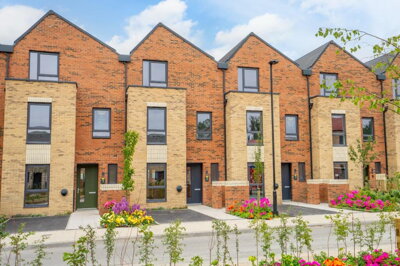
The larger property sector typically features multiple bathrooms, substantial reception space, and private gardens or off-street parking. Four bedroom houses in York span detached, semi-detached, and occasionally terraced configurations, with styles ranging from period properties to modern executive homes.
£525k
251
19
101
Source: home.co.uk
Showing 251 results for 4 Bedroom Houses new builds in York, North Yorkshire. 19 new listings added this week. The median asking price is £525,000.
Source: home.co.uk
Detached
152 listings
Avg £596,653
Semi-Detached
69 listings
Avg £477,361
Terraced
30 listings
Avg £556,332
Source: home.co.uk
Source: home.co.uk
The York property market has demonstrated remarkable resilience despite broader national economic headwinds, with average sold prices currently sitting at approximately £331,678 according to Zoopla data from the last twelve months. The Office for National Statistics reports a figure of £307,000, while Rightmove indicates an overall average of £324,009. Property prices in the York postcode area have shown a decline of around 1% to 3% over the past twelve months, representing a fall of approximately £4,200 to £10,300 from previous levels depending on the area measured. This slight softening has created genuine opportunities for buyers who may have previously found York beyond their budget, particularly in the city centre where prices have corrected more significantly.
Property types in York cater to a wide range of preferences and budgets. Detached homes command the highest average prices at around £486,542 to £501,000, offering generous space for families seeking room to grow in areas like Rawdon, Bishopthorpe, and Dunnington. Semi-detached properties averaging £325,555 to £328,000 represent excellent value for those looking for a balance between space and affordability, with popular options including Edwardian homes in West York suburbs. Terraced houses averaging between £285,000 and £316,629 dominate the city centre market, offering character and convenience at more accessible price points. Flats remain the most affordable option at £182,000 to £222,544, appealing particularly to first-time buyers and investors targeting the strong rental market driven by York's two universities.
New-build developments are reshaping York's housing landscape with several significant projects under construction or recently completed. Cocoa Gardens on Wigginton Road offers two, three, and four-bedroom contemporary houses from £435,000, featuring eco-friendly design with solar panels and electric car charging points. The Cocoa Works development on Haxby Road, part of the regeneration of the historic Rowntree's factory, provides shared ownership apartments from £111,125 for a 35% share, making homeownership more accessible for local buyers. Duncombe Square near Bootham delivers Passivhaus-standard homes with exceptional energy efficiency, with one-bedroom apartments available from £295,000 full market value and larger houses ranging from £545,000 to £695,000. Further development is planned at York Central, a major brownfield regeneration site adjacent to the railway station being delivered through a partnership between Homes England, Network Rail, and City of York Council.

York is a city where history breathes through every street and where modern life flows comfortably alongside centuries of heritage. The city walls, dating back to Roman times, encircle a compact city centre packed with independent shops, cafes, and restaurants. The Shambles, often cited as one of Europe's most picturesque streets, leads to the iconic York Minster that dominates the skyline. Residents enjoy easy access to cultural attractions including the National Railway Museum, York Castle Museum, and the JORVIK Viking Centre, making every day feel like a step through time.
Beyond the tourist hotspots, York reveals itself as a thriving, welcoming community with excellent amenities. The city centre hosts regular markets, from the historic Pavement Market to the Making It Market in the Shambles Market. The Ouse River provides beautiful walking and cycling routes, while the surrounding countryside of the Yorkshire Wolds and Howardian Hills lies just a short drive away. Family-friendly neighbourhoods like Clifton, Rawdon, and Heworth offer village-like atmospheres while remaining within easy reach of the city centre. The city has a strong arts scene, with the York Theatre Royal and Grand Opera House hosting regular performances throughout the year.
Demographically, York attracts a diverse mix of residents, from young professionals drawn by the strong rail connections to families seeking excellent schools and a safe environment. The city has a significant student population due to the University of York and York St John University, contributing to a vibrant nightlife and cultural atmosphere. Property ownership spans period cottages and Georgian townhouses in conservation areas to modern apartments in converted warehouses. The city council has invested heavily in cycling infrastructure and pedestrianisation, making the city centre increasingly pleasant for residents who prefer car-free living. York's economy benefits from tourism, education, and growing sectors in technology and creative industries, providing diverse employment opportunities for residents.

Education provision in York ranks among the best in North Yorkshire, making the city particularly attractive to families with children of all ages. The city and its surrounding areas host a mix of primary and secondary schools, with several institutions consistently performing well in national assessments. Parents moving to York should research individual school catchments carefully, as popular schools in areas like Clifton, Bishopthorpe, and Huntington can see significant demand for places. The quality of local education often influences property values, with homes in strong school catchment areas commanding premium prices.
At primary level, St Wilfrid's Catholic Primary School, Nunthorpe Primary Academy, and Kirkby Misperton Primary School have earned strong reputations for academic excellence and pupil development. Several other primaries across the city achieve above-average results in key stage assessments. Parents should verify current admission arrangements and catchment boundaries directly with schools or the local education authority, as these can change and may impact property decisions significantly. For secondary education, York operates a selective grammar school system alongside comprehensive schools. Students sit the Eleven Plus examination to gain admission to schools such as Huntington Secondary School and Val Trace, both of which have established reputations for academic achievement.
Beyond state education, York offers excellent independent schooling options and further education facilities. York College provides a wide range of vocational and academic courses for post-16 students, while the University of York is consistently ranked among the UK's top institutions, particularly strong in subjects including archaeology, history, and the sciences. York St John University offers a range of undergraduate and postgraduate programmes and contributes significantly to the city's cultural life. The presence of two universities creates a year-round demand for rental property and supports local businesses. For buyers prioritising education, consulting the latest Ofsted reports and school performance tables will provide current information to inform property decisions in this competitive market.
York railway station sits on the East Coast Main Line, offering exceptional rail connections that have long made the city popular with commuters. Direct trains reach London King's Cross in under two hours, with Edinburgh accessible in approximately two and a half hours. Leeds is reachable in around 25 minutes, making York particularly attractive for professionals working in the Leeds financial district or manufacturing sector. The station has undergone significant recent improvements, enhancing facilities and passenger experience for the thousands who travel through daily.
Road connectivity serves York residents well, with the A64 providing access to Leeds and the A1(M) offering connections to the north and south. The city sits conveniently between the Yorkshire Dales and the coast, giving residents easy access to some of England's most stunning landscapes. For commuters driving to work within the city, park and ride facilities operate from several locations around the perimeter, offering convenient access to the city centre while avoiding parking charges and congestion. The city has invested in cycling infrastructure, with dedicated lanes making cycling a viable option for shorter journeys.
Local bus services connect York suburbs and surrounding villages to the city centre, with regular routes serving residential areas including Acomb, Fulford, Huntington, and Strensall. The city centre has seen pedestrianisation improvements in recent years, making the historic core more pleasant for residents and visitors alike. For property buyers considering York, proximity to the railway station and major road networks may influence both property prices and daily commute times. Areas like Fulford, Heslington, and those along the A59 corridor offer particularly convenient access for rail commuters while remaining significantly more affordable than properties immediately adjacent to the city walls.
Before viewing properties, explore current listings and recent sales data to understand what your budget buys in different neighbourhoods. York prices vary significantly between city centre apartments averaging around £222,000 and family homes in suburbs like Dunnington or Bishopthorpe where detached properties can exceed £500,000. Set up property alerts on our platform and major property portals to stay informed about new listings in your target areas. Understanding market conditions in specific postcodes, from YO1 in the city centre to YO32 in the suburban villages, helps you identify the best value available.
Speak to a mortgage broker early to understand your borrowing capacity and get an agreement in principle before making offers. Current average prices around £307,000 to £331,678 will help you calculate deposit requirements, typically needing 5% to 15% depending on your circumstances. A mortgage in principle strengthens your position when competing with other buyers in York's competitive market, particularly for popular properties in strong school catchment areas. Several specialist brokers operate in York with knowledge of local property values and lending criteria specific to the area.
View several properties across different areas to compare value and character. York's market includes Victorian terraces on streets like Cecil Street and Blossom Street, Edwardian semis in West York, modern apartments in developments like The Cocoa Works, and new-build homes at Cocoa Gardens. When you find the right property, submit your offer promptly through the estate agent with evidence of your mortgage in principle. Be prepared to negotiate on price, particularly for city centre properties where the market has seen more significant corrections of around 16% from the 2023 peak.
Arrange a RICS Level 2 or Level 3 survey before proceeding to purchase. This is particularly important for period properties in areas like the City Centre, Bootham, or the villages north of York where older construction may have specific maintenance needs. The survey identifies any structural issues, renovation requirements, or defects common in York's Victorian and Georgian building stock that could affect your decision or budget. Properties with historical features often require specialist surveys to assess the condition of original features, listed building status, and any planning restrictions that apply.
Choose a conveyancing solicitor who knows the York local authority area to handle legal work including searches, contracts, and land registry checks. City of York Council searches will reveal planning history, conservation area status, and any highway or environmental matters affecting the property. Your solicitor will liaise with your mortgage lender and the seller's solicitor to progress your purchase through to completion. Using a local solicitor familiar with York's property market can help identify any issues specific to the area, such as flood risk or historical mining activity.
Once all searches are satisfactory and your mortgage is approved, you will exchange contracts and pay your deposit, typically 10% of the purchase price. Completion typically follows within days or weeks, depending on whether you are in a chain. Arrange buildings insurance from the day of completion, as mortgage lenders require this before releasing funds. Redirect utilities, update your electoral register with City of York Council, and arrange removal firms well in advance of your completion date.
Property buyers in York should be aware of several location-specific factors that can significantly impact their purchase experience and future resale value. The city centre and many surrounding conservation areas impose planning restrictions on external alterations, which buyers should investigate before committing to a purchase. Properties within the city walls or near the Minster may have specific covenants governing appearance and use. The York City Plan designates numerous conservation areas, including the Old Town, New Walk, and St Mary's areas, each with their own character and planning requirements. Understanding these restrictions early prevents costly surprises if you plan renovations or extensions.
Flood risk requires careful consideration in York, as the River Ouse has historically experienced flooding during periods of exceptional weather. Properties in low-lying areas near the river, including parts of Bishopthorpe and Fulford, carry elevated flood risk that can affect insurance premiums and future saleability. The Environment Agency flood maps provide detailed information about flood risk for specific postcodes, and asking estate agents about flooding history represents essential due diligence. Properties with appropriate flood resilience measures may still make excellent homes, but buyers should factor potential insurance costs and any necessary flood protection into their budget.
Construction type varies considerably across York's housing stock, with distinct patterns by area and era. Victorian terraces in areas like Micklegate and Bishopyork typically feature solid wall construction without cavity insulation, meaning they may have higher heating costs than modern properties. Georgian townhouses in the city centre often have period features that require specialist maintenance, including original sash windows, ornate plasterwork, and historical fireplaces. Newer properties in developments like Duncombe Square benefit from Passivhaus standards offering exceptional energy efficiency and lower running costs. Older properties in villages surrounding York may have different construction methods, including traditional Yorkshire stone construction in some areas.
For flat purchases, buyers should scrutinise service charges, ground rent terms, and the condition of communal areas carefully. York has seen significant conversion of period buildings into apartments, and the quality of management varies considerably between developments. Newer schemes offer modern specifications and transparent service charge structures, while older conversions may present higher maintenance costs and less professional management. Freehold houses generally offer more straightforward ownership, though always verify that shared boundaries and access rights are clearly documented. Properties in developments managed by resident-owned management companies may have different cost structures compared to those managed by external companies.
The average house price in York currently sits between £307,000 and £331,678 depending on the data source, with Zoopla reporting £331,678 for the last twelve months and the Office for National Statistics recording £307,000 in December 2025. Detached properties average around £486,542 to £501,000, semi-detached homes around £325,555 to £328,000, and terraced properties between £285,000 and £316,629. Flats remain the most affordable option at approximately £182,000 to £222,544. Prices have shown a modest decline of around 1% to 3% over the past twelve months, creating opportunities for buyers in some market segments, particularly the city centre where prices have corrected more significantly from the 2023 peak.
Properties in York fall under City of York Council tax bands, which range from Band A for the lowest-value properties through to Band H for the most expensive homes. The city contains a wide variety of properties, from modest flats in the city centre to substantial Georgian townhouses on streets like High Petergate and Coppergate, spanning all council tax bands. Buyers should request the specific band for any property they are considering, as this affects ongoing monthly costs. The council provides detailed information about current rates and any exemptions or discounts that may apply, including single person discounts and council tax support schemes for eligible buyers.
York offers excellent educational provision across all levels, with primary schools including St Wilfrid's Catholic Primary School and Nunthorpe Primary Academy consistently achieving strong results in key stage assessments. At secondary level, York operates grammar schools including Huntington Secondary School and Val Trace for academically selective students alongside comprehensive options. Independent schools are also available for families seeking private education. The city is home to the University of York, ranked among the UK's top institutions, and York St John University, both of which contribute to the city's educated workforce and cultural atmosphere. School catchments vary significantly by property location, so parents should verify current admission arrangements before purchasing.
York railway station provides exceptional connectivity via the East Coast Main Line, with direct trains to London King's Cross in under two hours and Edinburgh in around two and a half hours. Leeds is just 25 minutes away by train, making York particularly attractive for professionals commuting to the Leeds financial district. Local bus services operated by First York and other providers connect suburbs including Acomb, Fulford, Huntington, and Strensall to the city centre with good frequency. Park and ride facilities operate from multiple sites around the city perimeter, including Poppleton, Askham Bar, and Monks Cross, offering convenient access to the city centre while avoiding parking charges and congestion.
York has historically shown strong long-term property value growth, driven by its desirability as a place to live, substantial tourism economy, and presence of two universities creating consistent rental demand. The current market has seen modest price softening of around 1% to 3% over twelve months, which may present buying opportunities for investors entering the market. Rental demand remains solid due to the student population requiring shared houses and professional tenants seeking apartments near the railway station. New developments like York Central and Cocoa Gardens indicate continued investment in the city's infrastructure. As with any investment, buyers should consider their time horizon and specific local market conditions carefully before committing.
Standard Stamp Duty Land Tax rates start at 0% on the first £250,000 of residential property purchases, rising to 5% on the portion from £250,001 to £925,000, then 10% up to £1.5 million, and 12% on any value above that. First-time buyers benefit from increased thresholds, paying 0% on the first £425,000 with 5% applying between £425,001 and £625,000. On a typical York property priced at the current average of around £307,000 to £331,678, standard buyers would pay approximately £1,535 to £4,084 in stamp duty, while first-time buyers would pay significantly less or potentially nothing depending on their purchase price and eligibility.
Understanding the full costs of buying property in York extends well beyond the purchase price itself. Stamp Duty Land Tax represents the most significant upfront expense after your deposit. For properties purchased at the current York average price of around £307,000 to £331,678, standard buyers without first-time buyer relief would pay between £1,535 and £4,084 in stamp duty. The tax is calculated progressively, with 0% applying to the first £250,000, 5% on the portion between £250,001 and £925,000, and higher rates for more expensive properties. First-time buyers can benefit from relief on the first £425,000, potentially reducing their SDLT liability significantly.
Beyond stamp duty, buyers should budget for solicitor conveyancing fees which typically range from £500 to £1,500 depending on complexity and whether the property is freehold or leasehold. Local searches with City of York Council usually cost between £200 and £400, while environmental and drainage searches add further costs. Mortgage arrangement fees vary by lender but often fall between £500 and £2,000, and valuation fees are typically required by your mortgage lender. A RICS survey, whether Level 2 or Level 3, costs between £350 and £800 depending on property value and the level of detail required. An Energy Performance Certificate is mandatory and costs approximately £85 to £150.
Moving costs represent another consideration, with removal firms charging anywhere from £300 to £2,000 depending on volume and distance. Buildings insurance must be in place from the day of completion, while contents insurance is similarly prudent for protecting your belongings. For leasehold properties, buyers should budget for ground rent and service charges, which vary considerably between developments in York from modern schemes to period conversions. Properties in newer developments like Duncombe Square may have different cost structures compared to older conversions, with new developments typically offering more predictable service charges. Creating a comprehensive budget that accounts for all these expenses prevents financial surprises during what is typically the largest transaction most people will ever make.
Properties New Builds In London

Properties New Builds In Plymouth

Properties New Builds In Liverpool

Properties New Builds In Glasgow

Properties New Builds In Sheffield

Properties New Builds In Edinburgh

Properties New Builds In Coventry

Properties New Builds In Bradford

Properties New Builds In Manchester

Properties New Builds In Birmingham

Properties New Builds In Bristol

Properties New Builds In Oxford

Properties New Builds In Leicester

Properties New Builds In Newcastle

Properties New Builds In Leeds

Properties New Builds In Southampton

Properties New Builds In Cardiff

Properties New Builds In Nottingham

Properties New Builds In Norwich

Properties New Builds In Brighton

Properties New Builds In Derby

Properties New Builds In Portsmouth

Properties New Builds In Northampton

Properties New Builds In Milton Keynes

Properties New Builds In Bournemouth

Properties New Builds In Bolton

Properties New Builds In Swansea

Properties New Builds In Swindon

Properties New Builds In Peterborough

Properties New Builds In Wolverhampton

Enter your details to see if this property is within your budget.
Loans, cards, car finance
Estimated property budget
Borrowing + deposit
You could borrow between
Typical borrowing
Monthly repayment
Est. at 4.5%
Loan-to-value
This is an estimate only. Your actual budget may vary depending on interest rates, credit history, and personal circumstances. For an accurate affordability assessment, speak to one of our free mortgage advisors.
This calculator provides estimates for illustrative purposes only and does not constitute financial advice. Your home may be repossessed if you do not keep up repayments on your mortgage. Estimates based on 4.5% interest rate, repayment mortgage. Actual rates depend on your circumstances.
Homemove is a trading name of HM Haus Group Ltd (Company No. 13873779, registered in England & Wales). Homemove Mortgages Ltd (Company No. 15947693) is an Appointed Representative of TMG Direct Limited, trading as TMG Mortgage Network, which is authorised and regulated by the Financial Conduct Authority (FRN 786245). Homemove Mortgages Ltd is entered on the FCA Register as an Appointed Representative (FRN 1022429). You can check registrations at NewRegister or by calling 0800 111 6768.

We use cookies to show you personalised content and improve your experience of our website. Find out more in our Privacy policy and Cookie policy.