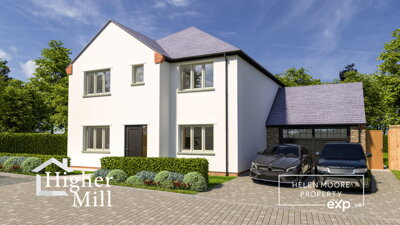
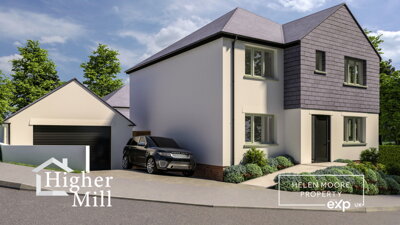
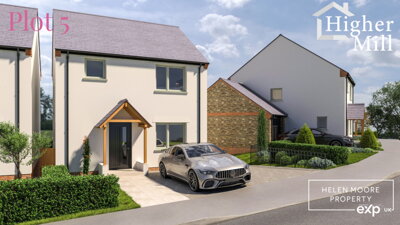
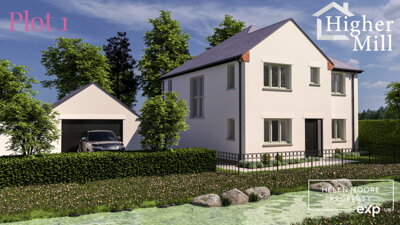
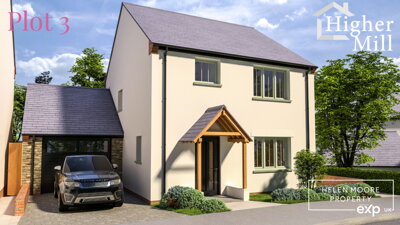
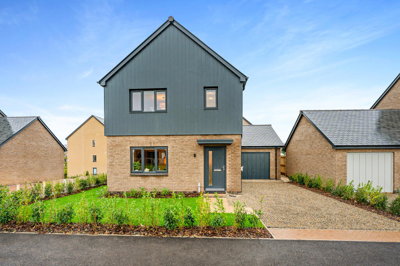
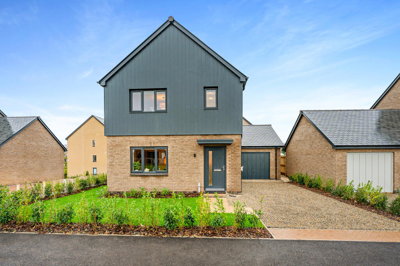
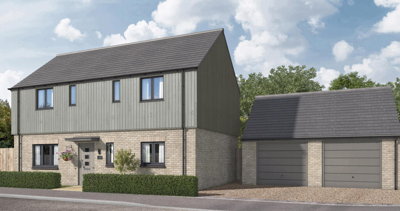
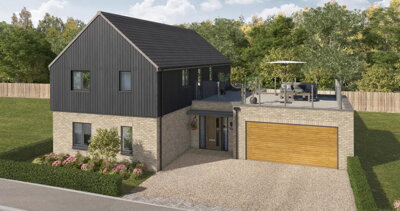
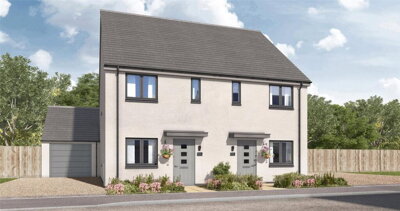
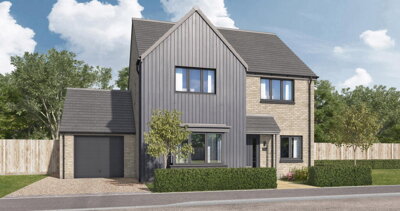
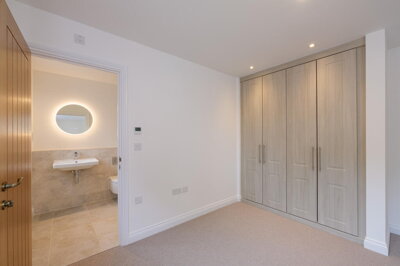
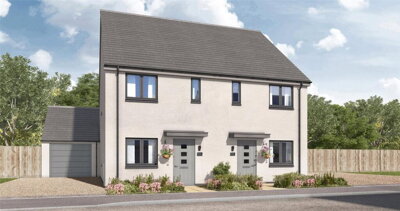
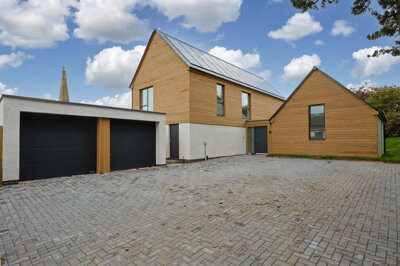
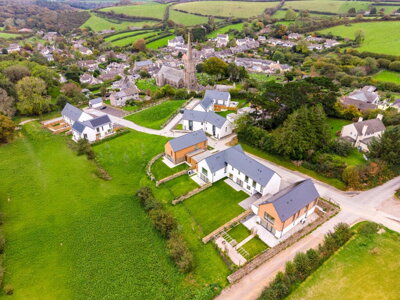
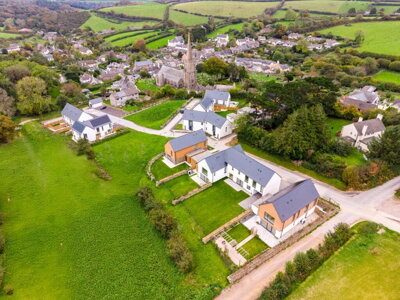
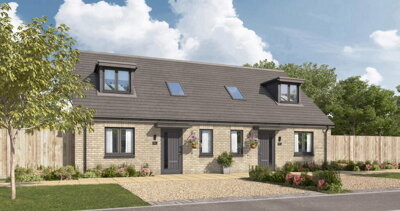
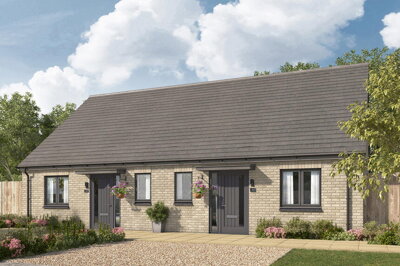
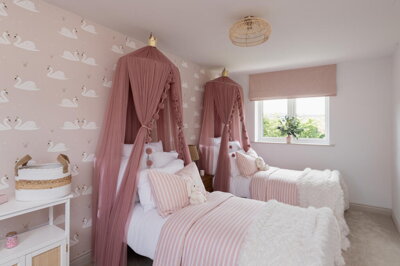
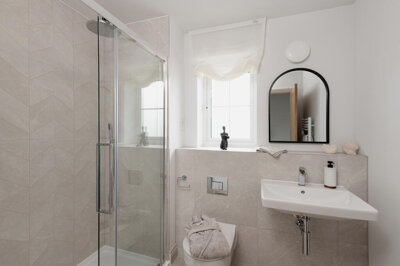
Browse 20 homes new builds in Yealmpton, South Hams from local developer agents.
The Yealmpton property market offers detached, semi-detached, and terraced houses spanning various price ranges and neighbourhoods. Each listing includes detailed property information, photographs, and direct contact with the marketing agent.
£575k
3
0
282
Source: home.co.uk
Showing 3 results for Houses new builds in Yealmpton, South Hams. The median asking price is £575,000.
Source: home.co.uk
Detached
3 listings
Avg £671,667
Source: home.co.uk
Source: home.co.uk
The Yealmpton property market has shown steady performance with approximately 30-40 homes selling in the village and surrounding area over the past twelve months. Property prices across the village span a considerable range, with detached homes typically commanding between £600,000 and £700,000, semi-detached properties ranging from £350,000 to £400,000, and terraced homes available from around £280,000 to £330,000. Flats remain the most affordable option, generally priced between £180,000 and £220,000. The overall average price of approximately £475,000 reflects the premium associated with living in this desirable South Hams village, and prices have shown a slight upward trend consistent with the broader South Hams market, which saw increases of around 1.5% over the past year.
Two significant new-build developments are currently adding to the housing stock in Yealmpton. Yealmpton Key, located off Newton Hill and using the PL8 2HF postcode, offers 2, 3, and 4-bedroom homes from Baker Estates with prices ranging from approximately £300,000 to £600,000. Kitley Place occupies the former Kitley Farm site, also in the PL8 2HF area, with Burrington Estates (now part of Vistry Group) delivering 2, 3, 4, and 5-bedroom properties priced from around £320,000 to over £700,000. Both developments offer modern construction with contemporary fixtures while contributing to the growth of this expanding village community.
The property type distribution in Yealmpton reflects the village character, with approximately 40-45% detached homes and 30-35% semi-detached properties providing the spacious feel that attracts families. Terraced properties make up approximately 15-20% of the housing stock, with flats representing approximately 5-10%. Regarding property age, approximately 25-30% of homes were built before 1919, often featuring traditional stone construction with slate or limestone roofing. Properties from the 1945-1980 period account for approximately 20-25% of stock, while approximately 30-35% of properties were built post-1980, including the more recent developments. This mix of old and new creates a varied property market that appeals to different buyer requirements.
Beyond the main village developments, properties in the surrounding Yealmpton area include converted farmsteads and manor properties that command premium prices for their rural setting. The Yealmpton property market has proven resilient, with approximately 30-40 properties changing hands each year in the village and immediate surroundings. This consistent level of activity reflects strong underlying demand from buyers who appreciate the combination of village amenities, natural beauty, and convenient access to Plymouth that Yealmpton provides.

Yealmpton has a population of approximately 2,000 to 2,200 residents across around 900 to 1,000 households, creating a close-knit community atmosphere that many buyers find irresistible. The village strikes an appealing balance between offering a peaceful rural lifestyle and maintaining practical connections to larger towns. Local amenities include a convenience store, butcher, pharmacy, and several pubs and restaurants, meaning everyday needs can be met without regular trips to larger centres. Community events throughout the year bring residents together, from village fetes to church activities, fostering the strong social fabric that defines Yealmpton.
The village architecture showcases Yealmpton's heritage with many properties constructed from local stone and rendered facades characteristic of the South Hams region. The Conservation Area covers the historic core around Fore Street, Market Street, and the church, protecting the visual character of the village centre. St Bartholomew's Church stands as a focal point, while Kitley House and numerous Grade II listed cottages and farmhouses add historical depth to the built environment. The River Yealm flows through the village, creating pleasant green spaces and walking routes, with the surrounding countryside forming part of the South Hams AONB and offering miles of footpaths and bridleways for outdoor enthusiasts.
The Yealmpton lifestyle appeals to a diverse range of residents, from young families drawn by the primary school and community spirit to commuters working in Plymouth who appreciate the village atmosphere after a working day. The local economy includes agriculture, tourism, small businesses, and services, with many residents commuting daily to Plymouth for employment at the naval base, university, hospital, or other city employers. The South Hams AONB designation ensures the surrounding countryside remains protected, providing residents with access to beautiful natural scenery and recreational opportunities. This combination of practical amenities, community spirit, and stunning natural setting makes Yealmpton a village where people put down lasting roots.
Education provision in Yealmpton centres on Yealmpton Primary School, which serves children from Reception through to Year 6. The school provides a solid local education with the convenience of being within walking distance for most village families. For secondary education, families typically consider schools in Plymouth, which is reachable via the A379 road. Secondary options include comprehensive schools such as Coombe Dean, Hele School, and Glen Park, while grammar school places are available for those who pass the 11+ entrance examination at schools like Devonport High School for Boys, Devonport High School for Girls, and Plymouth High School for Girls. The grammar school system means ambitious families should research catchment areas and admission policies when considering properties in Yealmpton.
Beyond secondary education, Plymouth offers further and higher education opportunities through Plymouth College of Art, City College Plymouth, and the University of Plymouth. These institutions provide vocational courses, undergraduate degrees, and postgraduate programmes, meaning families do not need to leave the area entirely for higher education. Sixth form provision is available at several Plymouth secondary schools and colleges, giving young people a range of options as they progress beyond GCSE. For buyers with educational priorities, the combination of a well-regarded primary school in the village and access to Plymouth's broader educational landscape makes Yealmpton an attractive proposition.
The proximity of Yealmpton to Plymouth's educational institutions adds to the village's appeal for families at all stages. Young children benefit from the convenience of Yealmpton Primary School, while secondary-age children can access Plymouth's wider range of schools and colleges. The availability of degree-level and professional qualifications locally through the University of Plymouth and other institutions means that older children and young adults can continue their education without necessarily leaving the area. This educational pathway from primary school through to university makes Yealmpton a practical long-term choice for families planning their future in the village.
Yealmpton sits on the A379 road, which provides the main artery connecting the village to Plymouth to the north and the surrounding South Hams villages to the south. By car, Plymouth city centre is typically around 20 to 30 minutes away, depending on traffic conditions. This driving time makes Yealmpton practical for commuters working in Plymouth, whether in the naval base, the university, the hospital, or other city employers. The journey also connects to the A38 Devon Expressway, opening routes further afield to Exeter and beyond. For those working from home or seeking a better work-life balance, Yealmpton's road connections provide flexibility without the daily stress of very long commutes.
Public transport options are more limited than road access, and residents generally rely on private vehicles for most journeys. Local bus services operate between Yealmpton and Plymouth, though frequencies may not suit full-time commuters. The nearest railway station is Ivybridge, approximately 10 miles away, which offers services on the Plymouth to Bristol and London Paddington line. From Ivybridge, journey times to London Paddington are around 3 hours, while Bristol can be reached in approximately 1.5 hours. For international travel, Exeter Airport and Bristol Airport both offer passenger flights to European destinations and beyond. Buyers who work from home or have flexible commuting arrangements will find Yealmpton most practical, while regular commuters should carefully consider the transport implications.
The transport situation in Yealmpton reflects its character as a village rather than a town, where car ownership is effectively essential for most residents. However, for those whose working arrangements allow flexibility, the village offers an enviable combination of rural peace and practical accessibility. The journey to Plymouth takes roughly the same time whether you live in a suburb of Plymouth or in Yealmpton, but the village offers considerably more space, a stronger community atmosphere, and access to the South Hams AONB countryside. For commuters who can work from home for several days per week or who have flexible working hours, Yealmpton represents an excellent choice that captures the benefits of both rural and urban living.
Contact a mortgage broker to establish how much you can borrow before starting your property search. Having an Agreement in Principle strengthens your position when making offers and demonstrates to sellers that you are a serious buyer with verified finances.
Spend time in Yealmpton at different times of day and week to understand the community, traffic patterns, and local atmosphere. Check flood risk maps for specific properties and review the Yealmpton Conservation Area boundaries to understand planning restrictions that may affect your purchase.
Use Homemove to browse all available properties and arrange viewings through listed estate agents. Take notes on property condition, construction materials, and any signs of maintenance issues, particularly in older properties where damp, roof condition, or timber defects may be present.
Once you have had an offer accepted, instruct a RICS Level 2 Survey to assess the property condition thoroughly. Given that approximately 65 to 70 percent of Yealmpton homes were built before 1980, a survey is essential to identify issues such as damp, subsidence risk from shrink-swell clay soils, roof defects, and outdated electrical systems.
Appoint a solicitor to handle the legal aspects of your purchase, including searches, contracts, and registration at the Land Registry. Ensure they are familiar with South Hams District Council procedures and any local planning considerations affecting Yealmpton properties.
Once all enquiries are resolved and your mortgage is finalized, you will exchange contracts and pay your deposit. Completion typically follows within a few weeks, after which you will receive your keys and can move into your new Yealmpton home.
Prospective buyers should carefully consider flood risk when purchasing property in Yealmpton, as the River Yealm flows through the village and creates potential flood zones in low-lying areas. Properties adjacent to the river or in other areas designated as Flood Zone 2 or 3 face medium to high risk of fluvial flooding. Surface water flooding can also occur during periods of heavy rainfall, particularly where drainage infrastructure may be inadequate. We strongly recommend checking Environment Agency flood risk maps and considering appropriate insurance arrangements before committing to a purchase in any affected area.
The presence of a Conservation Area and numerous listed buildings in Yealmpton means that planning considerations are particularly important for certain properties. Properties within the Conservation Area may face restrictions on alterations, extensions, and even external paint colours. Listed buildings, including Grade I St Bartholomew's Church and Grade I Kitley House along with multiple Grade II listed properties, require Listed Building Consent for virtually any works that might affect their character. A standard RICS Level 2 Survey may be insufficient for heritage properties, and buyers should consider a more comprehensive RICS Level 3 Building Survey for properties with significant historical interest or unusual construction.
The local geology presents another consideration for Yealmpton buyers, as the underlying Devonian slate and limestone bedrock is overlain by clay-rich soils in some areas. These expansive clay soils create a moderate to high shrink-swell risk, particularly for properties with shallow foundations or those affected by trees and vegetation. During prolonged dry or wet periods, ground movement can cause structural issues that may not be immediately apparent. A thorough survey should assess foundation condition and check for any signs of subsidence or heave, especially in older properties. Buyers should also look for evidence of damp in older stone and rendered properties, check roof condition on traditional slate and tile roofs, and verify the condition of timber elements that may be susceptible to woodworm or rot.
When viewing properties in Yealmpton, look particularly for signs of damp on ground-floor walls and upper levels in older stone and rendered properties, where penetration through solid walls can be an issue. Check the condition of roofs on traditional slate and tile roofs, looking for slipped slates, damaged leadwork, and general wear. Timber elements including floorboards, stairs, and roof structures should be inspected for signs of woodworm or rot, particularly in properties with damp environments. Look at the foundations around the perimeter of properties, checking for cracking or movement that might indicate subsidence issues related to the local clay soils. For any property of concern, a RICS Level 2 Survey from our team will provide the detailed assessment needed to make an informed purchase decision.
The average house price in Yealmpton is approximately £475,000, though this figure masks a wide range across property types. Detached homes typically sell for between £600,000 and £700,000, while semi-detached properties command prices of around £350,000 to £400,000. Terraced homes in the village generally range from £280,000 to £330,000, with flats being the most affordable option at approximately £180,000 to £220,000. The South Hams property market has shown stable performance with modest increases of around 1.5% over the past year, and Yealmpton benefits from strong demand driven by its village character, natural beauty setting, and proximity to Plymouth. Approximately 30-40 properties have sold in the village and immediate surrounding area over the past twelve months, reflecting consistent market activity in this sought-after location.
Properties in Yealmpton fall under South Hams District Council for council tax purposes. The specific band depends on the property valuation and ranges from Band A for the least expensive properties through to Band H for the highest value homes. Most Yealmpton properties fall within Bands C to E, with larger detached homes and period properties potentially in higher bands. Prospective buyers should check the specific band for any property they are considering, as council tax forms part of the ongoing cost of ownership alongside mortgage payments, insurance, and maintenance.
Yealmpton Primary School serves children from Reception to Year 6 within the village itself, making it a convenient option for families with young children. For secondary education, families typically access schools in Plymouth, which is reachable by car. Plymouth offers several secondary schools and grammar schools for those who have passed the 11+ entrance examination. Further and higher education options are available at Plymouth College of Art, City College Plymouth, and the University of Plymouth, meaning older students do not need to leave the area for advanced qualifications. The proximity to Plymouth's educational institutions makes Yealmpton practical for families at all stages of their children's education.
Yealmpton is primarily accessed by road via the A379, which connects to Plymouth within approximately 20 to 30 minutes by car. Public transport options are more limited, with local bus services providing connections to Plymouth and surrounding villages, though frequencies may not suit all commuting needs. The nearest railway station is Ivybridge, approximately 10 miles away, offering services to Plymouth, Bristol, and London Paddington. For international travel, Exeter Airport and Bristol Airport provide flights to European destinations and beyond. Buyers should consider whether the transport options suit their specific circumstances before purchasing.
Yealmpton offers several factors that make it attractive to property investors, including its location within the South Hams Area of Outstanding Natural Beauty, proximity to Plymouth, and consistent demand from families and commuters seeking village living. The property market has shown stable prices with modest growth trends, and the presence of new developments like Yealmpton Key and Kitley Place indicates ongoing interest in the area. However, buyers should note that properties near the River Yealm carry flood risk, and the premium pricing of the South Hams market may limit future capital growth compared to some other regions. As with any property investment, thorough research into local market conditions and rental demand is advisable.
Stamp duty rates depend on the purchase price and your buyer status. For standard purchases, you pay nothing on the first £250,000, then 5% on the portion from £250,001 to £925,000. First-time buyers benefit from relief on purchases up to £625,000, paying 0% on the first £425,000 and 5% on the next £200,000. On a typical Yealmpton property priced at £475,000, this means approximately £8,750 in stamp duty for existing homeowners or £2,500 for eligible first-time buyers. You should factor in additional costs including solicitor fees, survey costs, and removal expenses when budgeting for your purchase.
Beyond the purchase price and stamp duty, buyers should budget for several additional costs. Solicitor fees typically range from £800 to £1,500 plus VAT, covering the legal work and disbursements. A RICS Level 2 Survey costs between £450 and £850 depending on property size and complexity. If you are taking out a mortgage, arrangement fees typically range from £500 to £2,000 depending on the lender and product chosen. Removal costs vary based on distance and volume, while mortgage valuation fees and Land Registry registration fees add further minor costs. Overall, buyers should plan for approximately £3,000 to £5,000 in additional purchase costs on top of the property price and stamp duty.
Understanding the full cost of buying a property in Yealmpton requires careful budgeting beyond the purchase price. Stamp duty land tax is a significant consideration, and the amount you pay depends on whether you qualify for first-time buyer relief. On a typical Yealmpton property priced at around £475,000, a buyer who has previously owned property would pay approximately £8,750 in stamp duty. This calculation works by applying 0% to the first £250,000 and 5% to the remaining £225,000. First-time buyers who have never owned property anywhere in the world can benefit from relief, paying 0% on the first £425,000 and 5% on the remaining £50,000, resulting in a stamp duty bill of approximately £2,500.
Beyond stamp duty, several other costs form part of your total purchase budget. Solicitor fees typically range from £800 to £1,500 plus VAT for a standard transaction, covering conveyancing, local searches, and Land Registry registration. Survey costs for a RICS Level 2 Survey on a typical three-bedroom Yealmpton property range from £450 to £650, with larger detached homes potentially costing £600 to £850 or more. If you are using a mortgage, arrangement fees typically add £500 to £2,000 depending on the lender and product, while valuation fees are often bundled into the arrangement fee. Removal costs vary considerably based on distance and volume, but typically range from £500 to £2,500. When adding everything together, buyers should plan for approximately £3,000 to £5,000 in additional costs beyond the purchase price and stamp duty.
Properties New Builds In London

Properties New Builds In Plymouth

Properties New Builds In Liverpool

Properties New Builds In Glasgow

Properties New Builds In Sheffield

Properties New Builds In Edinburgh

Properties New Builds In Coventry

Properties New Builds In Bradford

Properties New Builds In Manchester

Properties New Builds In Birmingham

Properties New Builds In Bristol

Properties New Builds In Oxford

Properties New Builds In Leicester

Properties New Builds In Newcastle

Properties New Builds In Leeds

Properties New Builds In Southampton

Properties New Builds In Cardiff

Properties New Builds In Nottingham

Properties New Builds In Norwich

Properties New Builds In Brighton

Properties New Builds In Derby

Properties New Builds In Portsmouth

Properties New Builds In Northampton

Properties New Builds In Milton Keynes

Properties New Builds In Bournemouth

Properties New Builds In Bolton

Properties New Builds In Swansea

Properties New Builds In Swindon

Properties New Builds In Peterborough

Properties New Builds In Wolverhampton

Enter your details to see if this property is within your budget.
Loans, cards, car finance
Estimated property budget
Borrowing + deposit
You could borrow between
Typical borrowing
Monthly repayment
Est. at 4.5%
Loan-to-value
This is an estimate only. Your actual budget may vary depending on interest rates, credit history, and personal circumstances. For an accurate affordability assessment, speak to one of our free mortgage advisors.
This calculator provides estimates for illustrative purposes only and does not constitute financial advice. Your home may be repossessed if you do not keep up repayments on your mortgage. Estimates based on 4.5% interest rate, repayment mortgage. Actual rates depend on your circumstances.
Homemove is a trading name of HM Haus Group Ltd (Company No. 13873779, registered in England & Wales). Homemove Mortgages Ltd (Company No. 15947693) is an Appointed Representative of TMG Direct Limited, trading as TMG Mortgage Network, which is authorised and regulated by the Financial Conduct Authority (FRN 786245). Homemove Mortgages Ltd is entered on the FCA Register as an Appointed Representative (FRN 1022429). You can check registrations at NewRegister or by calling 0800 111 6768.

We use cookies to show you personalised content and improve your experience of our website. Find out more in our Privacy policy and Cookie policy.