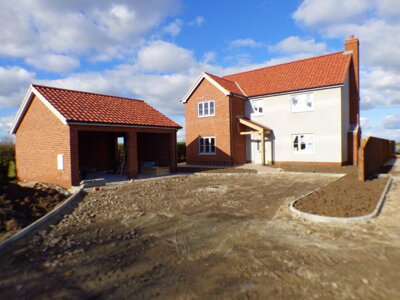
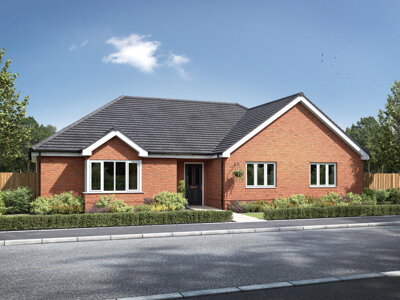
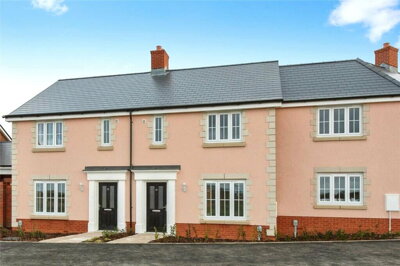
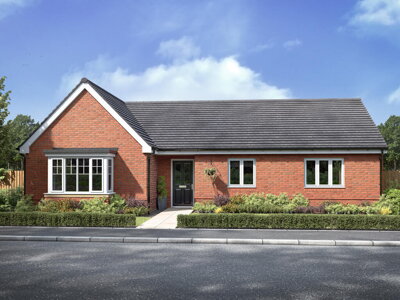
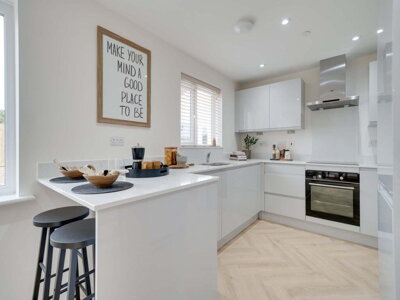
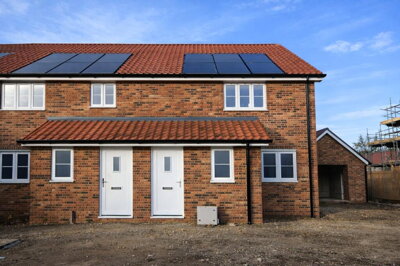
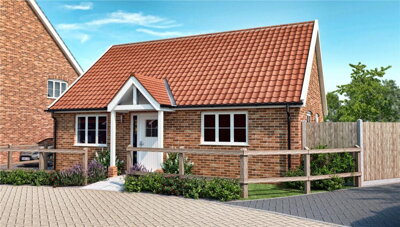
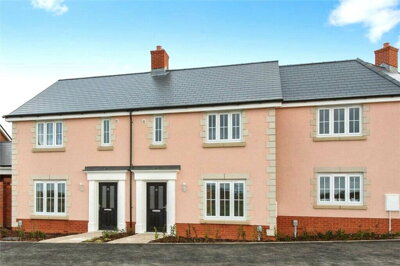
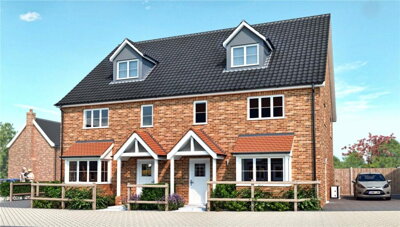
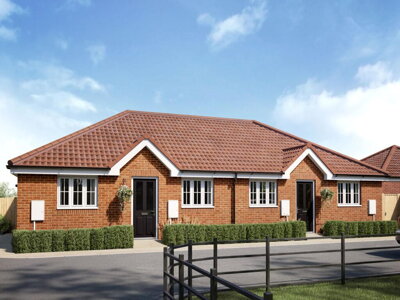
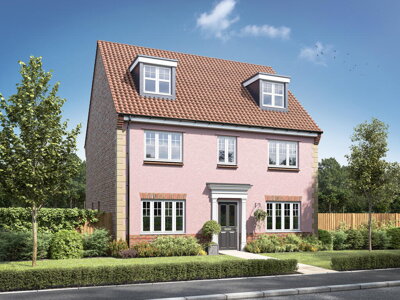
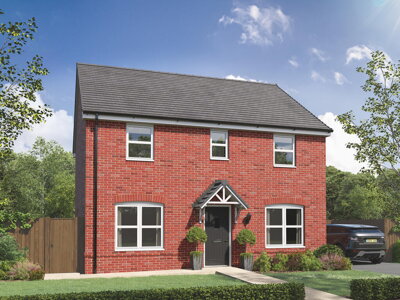
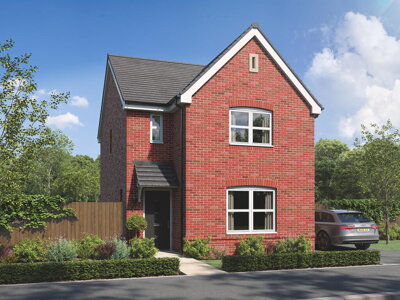
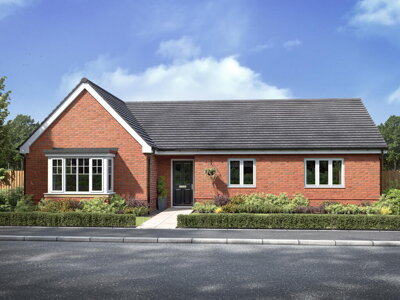
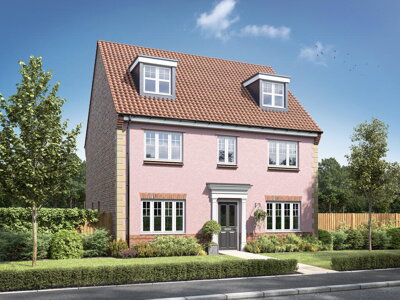
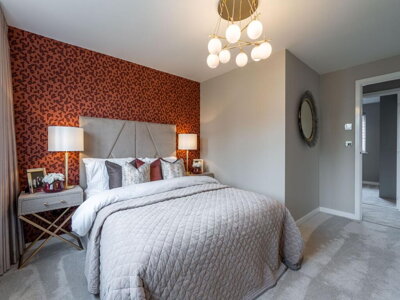
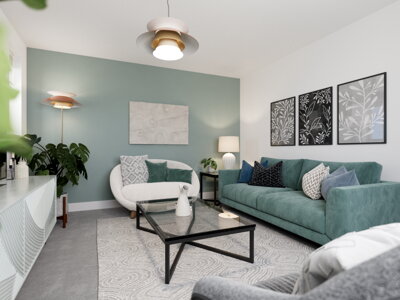
Browse 22 homes new builds in Yaxley from local developer agents.
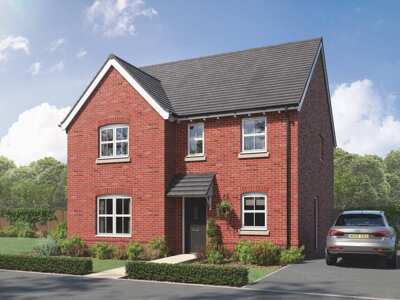
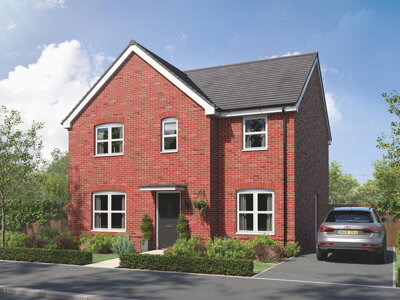
The Marston property market reflects the character of the village itself, offering a focused selection of homes that appeal to buyers seeking quality within a tight-knit community. Our listings include detached family homes averaging £525,000, semi-detached properties at around £320,000, terraced houses at £280,000, and flats from £185,000. This variety ensures that whether you are upgrading from a smaller property or downsizing to a more manageable home, you will find options that match your circumstances and preferences. New build opportunities are available at The Hedgerows development on Marston Lane, where David Wilson Homes offers 3, 4, and 5 bedroom properties priced from £349,995 to £599,995, providing modern alternatives for buyers seeking brand-new construction within the village.
Market activity in Marston has remained steady, with approximately 10 property sales completing in the past twelve months. Prices have shown marginal movement over this period, with the overall average decreasing by 0.3%, reflecting the broader national picture of stable rather than volatile conditions. Detached properties experienced the most notable adjustment at minus 0.9%, while semi-detached and terraced homes saw decreases of 0.6% and 0.7% respectively. Interestingly, the flat segment bucked this trend with a 0.5% increase, suggesting sustained demand for this property type among first-time buyers and investors seeking more affordable entry into the Marston market. The modest price adjustments indicate a mature market where properties are valued appropriately for their condition and location.
Given that approximately 75% of properties in Marston were built before 1980, the local housing stock includes many homes with solid wall construction and original features that newer properties cannot replicate. These older properties often include solid walls lacking modern cavity insulation, timber single-glazed windows, and older roof coverings that may require ongoing maintenance. When purchasing an older property in Marston, arranging a RICS Level 2 survey priced between £400 and £700 depending on property size provides valuable insight into the condition of the property before committing to purchase.

Marston, Wiltshire, is a village community of approximately 1,500 residents living within around 600 households, creating an intimate atmosphere where neighbours often know one another by name. The village maintains the essential characteristics of classic English rural living, with properties predominantly constructed from traditional red brick, often featuring stone detailing that reflects Wiltshire's rich building heritage. Many homes incorporate rendered finishes, particularly on more recent constructions and extensions, adding visual variety to the streetscene. The village centre features a traditional layout with the parish church at its heart, while residential streets radiate outward offering different property types and character.
The village benefits from a diverse property age profile, with around a quarter of homes dating from the pre-1919 period, offering period features such as original fireplaces, exposed beams, and solid walls that newer properties cannot replicate. A further 35% of properties were constructed between 1945 and 1980, providing good-sized family accommodation on generous plots. The remaining stock splits between interwar and more contemporary homes, ensuring the village offers properties to suit various tastes and requirements. Housing stock breaks down as 40% detached, 30% semi-detached, 20% terraced, and 10% flats, giving Marston a predominantly family-oriented character with good space around homes.
Day-to-day life in Marston is supported by essential local amenities including a popular village pub, a butchers shop, and a village hall hosting community events throughout the year. The playing fields provide recreational space for families, while footpaths crossing the surrounding countryside offer walking routes popular with residents. For more comprehensive shopping, healthcare, and leisure facilities, the market towns of Devizes and Chippenham are within easy reach, providing a practical balance between village tranquility and town convenience. The proximity to these larger centres makes Marston particularly attractive to buyers seeking rural character without sacrificing access to services.

Families considering a move to Marston will find educational provision available within the village itself and the surrounding area. Primary education is accessible through schools in nearby communities, with many children from Marston attending establishments in the surrounding villages and towns. The specific primary school assigned will depend on catchment area boundaries, and parents should verify current admissions zones through Wiltshire Council before committing to a property purchase. Schools in the surrounding villages often benefit from smaller class sizes and strong community connections that parents frequently cite as advantages.
Secondary education options include schools in nearby Devizes and Chippenham, with admissions criteria determined by the local education authority. Devizes School offers a comprehensive secondary education with a strong record in academic and vocational subjects, while Chippenham provides additional options including schools with specialist subject status. Sixth form and further education provision is available in nearby towns, with Devizes School and Wiltshire College offering a range of academic and vocational courses for students continuing their education beyond GCSE level.
The surrounding Wiltshire area hosts several well-regarded educational establishments, with schools regularly performing above national averages in key measures. Parents are advised to research specific school admissions zones and registration requirements before committing to a property purchase, as catchment boundaries can affect which schools your children will be eligible to attend. The Wiltshire Council school admissions portal provides current information on school locations, admission criteria, and how catchment areas are determined for each property address.
Marston benefits from its position within Wiltshire, offering reasonable connectivity to larger population centres while maintaining its rural character. The village is situated near major road routes that provide access to the wider region, with the A342 and nearby A360 offering connections to Devizes and the A4 providing routes towards Chippenham and Bath. This makes commuting to larger employment centres feasible for those working in nearby towns or willing to make a moderate journey. The strategic position also provides access to the M4 motorway for those working further afield, with the nearest junction located near Chippenham.
Public transport options centre on bus services connecting Marston with surrounding towns, though schedules may be limited compared to urban areas. Bus routes serving the village provide connections to Devizes and Chippenham, though frequencies are reduced compared to urban services, making private vehicle travel practical for daily needs. For rail travel, stations in Chippenham and Pewsey provide access to main line services, with journey times to London Paddington available from Chippenham station taking approximately 90 minutes. Pewsey station offers services towards Reading and London, providing additional options for commuters.
Many residents of Marston rely on private vehicles for daily travel, making off-street parking a valuable feature when evaluating properties. Properties with dedicated parking spaces, garages, or driveways command premium interest from buyers accustomed to the convenience these amenities provide. Cyclists benefit from some rural lanes, though care is needed on busier roads during peak hours. The village's position makes cycling to nearby towns feasible for the more energetic commuter, though most residents find a combination of occasional rail travel and regular car use meets their commuting needs effectively.
Before viewing properties, obtain a mortgage agreement in principle from a lender. This confirms your budget and demonstrates your seriousness to sellers when you make an offer. Our mortgage comparison tool helps you find competitive rates suitable for your circumstances. Given the variety of mortgage products available, taking time to compare options across different lenders can result in meaningful savings over the life of your mortgage.
Spend time exploring Marston and its surrounding area. Visit at different times of day, check local amenities, and understand how the community fits your lifestyle needs. Review recent sale prices and property types to ensure your expectations align with what is available. Speaking with residents can provide valuable insight into what it is really like to live in the village beyond what property listings reveal.
Contact estate agents listing properties in Marston to arrange viewings. Take notes during each visit, photograph properties of interest, and ask questions about the local area, any planned developments, and the reason for sale. The Hedgerows development by David Wilson Homes offers new build options if you prefer a property without the maintenance considerations of an older home.
Once you find your ideal home, submit a formal offer through the estate agent. Be prepared to negotiate on price or terms, and have your mortgage broker confirm your affordability to support your position. In Marston's relatively small market, building a good relationship with the selling agent can be advantageous.
Appoint a conveyancing solicitor to handle the legal transfer. Arrange a RICS Level 2 survey for properties over 50 years old, which is particularly valuable in Marston given 75% of homes predate 1980. The survey will identify any structural issues or defects before you commit to purchase. Given the prevalence of solid wall construction and clay soils in the area, surveys in Marston frequently identify issues related to damp, timber condition, and foundation movement that buyers should be aware of before completing.
Once searches are satisfactory and financing is confirmed, you will exchange contracts and pay your deposit. Completion typically follows within 2-4 weeks, when you will receive the keys and take ownership of your new Marston home. Your solicitor will notify Land Registry and arrange the final transfer of funds, after which you can collect your keys from the estate agent.
Purchasing a property in Marston requires consideration of several area-specific factors that could affect your investment. Given that around 75% of properties in the village were built before 1980, many homes will exhibit characteristics typical of their construction era. Solid wall construction, which was standard before cavity wall systems became prevalent in the 1980s, can lead to different insulation performance and moisture management compared to newer properties. When viewing older homes, pay attention to signs of damp, condition of original windows, and the state of roof coverings. Properties with solid brick or stone walls may show black or white staining indicating moisture penetration through the fabric of the building.
The local geology presents another important consideration. Marston sits on soils that include clay deposits, which can undergo shrink-swell movement during dry and wet periods respectively. This movement can affect foundations, particularly in properties with shallow construction. Watch for signs of cracking in walls, doors and windows that stick or do not close properly, and any previous repair work that might indicate past movement. Properties showing multiple episodes of crack repair or structural underpinning should be investigated thoroughly before purchase. A thorough RICS Level 2 survey, priced between £400 and £700 depending on property size, will identify any structural concerns and provide valuable information before purchase.
Flood risk in Marston is generally low from rivers and streams, though surface water flooding can occur in localised areas during periods of heavy rainfall. Check the property's flood risk history and consider the effectiveness of local drainage. Properties near streams or in lower-lying positions warrant additional investigation. While Marston itself does not fall within a designated conservation area, proximity to listed buildings in the wider Wiltshire area means any alterations to properties may require planning consent, so factor this into your evaluation of renovation potential. Properties with large gardens or agricultural land should be checked for any rights of way or covenants that might affect how you can use the land.
The current average house price in Marston, Wiltshire, stands at £389,000 based on recent market data. Detached properties average £525,000, semi-detached homes around £320,000, terraced houses at £280,000, and flats from £185,000. New build properties at The Hedgerows development on Marston Lane range from £349,995 to £599,995 depending on size and specification. The market has shown marginal price adjustments over the past twelve months, with the overall average decreasing by 0.3%, suggesting stable rather than volatile conditions for buyers seeking to enter the Marston property market.
Properties in Marston, Wiltshire, fall under Wiltshire Council's jurisdiction for council tax purposes. Bands range from A to H based on property valuation, with most residential properties in the village falling within bands B to D. Exact bands depend on the property's assessed value, and you can verify the specific band through the Valuation Office Agency website using the property address. Council tax payments in Wiltshire fund local services including education, refuse collection, and road maintenance, with rates varying based on the assigned band.
Marston has access to primary schools in surrounding villages, with secondary education available at schools in nearby Devizes and Chippenham. The specific school assigned to your property will depend on catchment area boundaries determined by Wiltshire Council, and parents should verify these boundaries before purchasing as they can affect school placement. Schools in the wider area generally perform well in Ofsted inspections, though parents should verify current ratings and admissions criteria through the Wiltshire Council school admissions portal. Sixth form provision is available at Devizes School and Wiltshire College, offering academic and vocational routes for students continuing their education beyond GCSE level.
Public transport options in Marston are limited compared to urban areas, primarily consisting of bus services connecting the village to nearby towns including Devizes and Chippenham. Bus frequencies vary, so checking current timetables is advisable before relying on public transport for daily commuting. For rail travel, Chippenham station provides main line connections to London Paddington and Bristol, while Pewsey station offers services towards Reading and London. Most residents rely on private vehicles for daily commuting and errand running, making off-street parking a valuable property feature to prioritise when searching for homes in Marston.
Marston offers potential for property investment given its proximity to larger employment centres and the enduring appeal of Wiltshire village life. The housing stock mix, with 40% detached properties, suggests demand from families seeking space and gardens. The steady number of sales, approximately 10 transactions annually, and modest price adjustments indicate a stable rather than speculative market. Rental demand may exist from commuters working in nearby towns who prefer village living over urban housing costs, particularly given the limited new build supply within the village itself.
Stamp duty rates from April 2024 apply to all buyers: 0% on the first £250,000, 5% on £250,001 to £925,000, 10% on £925,001 to £1.5 million, and 12% above £1.5 million. First-time buyers receive relief on the first £425,000, with 5% applied between £425,001 and £625,000. Given Marston's average price of £389,000, most buyers would pay stamp duty on the amount above £250,000, which would be £6,950 for standard buyers. First-time buyers purchasing at the village average would pay zero stamp duty under current relief thresholds.
Given that 75% of Marston properties were built before 1980, several age-related defects are common in the local housing stock. These include damp in solid-wall properties lacking modern damp-proof courses, timber issues such as rot or woodworm in structural and joinery timbers, roof problems including slipped tiles and deteriorated pointing to verges and ridges, and potentially outdated electrical wiring predating current safety standards. Properties on clay soils may exhibit signs of subsidence or heave movement, visible as cracking to walls, sticking doors, or uneven floor levels. A RICS Level 2 survey will identify these issues before purchase, providing negotiating leverage if defects are found or confirming that the property represents good value despite its age.
Competitive mortgage rates for Marston buyers
From 3.95%
Expert property solicitors for your Marston purchase
From £499
Essential survey for Marston's older properties
From £400
Energy performance certificate for your new home
From £80
Understanding the full cost of purchasing property in Marston extends beyond the sale price to include stamp duty, legal fees, surveys, and other associated charges. From April 2024, standard stamp duty land tax rates apply zero percent on the first £250,000 of residential property purchases, with 5% charged on the portion between £250,001 and £925,000. For a typical Marston property at the village average of £389,000, a standard buyer would pay £6,950 in stamp duty, while a first-time buyer would pay nothing on the first £425,000 under current relief provisions.
First-time buyer relief provides significant advantages for those who have never owned property before. Relief applies to the first £425,000 at zero percent, with 5% charged on the amount between £425,001 and £625,000. Properties priced above £625,000 do not qualify for first-time buyer relief. Additional purchase costs include RICS Level 2 survey fees ranging from £400 to £700 depending on property size, with larger detached homes commanding higher fees than smaller terraced properties or flats. Conveyancing costs typically range between £500 and £1,500 depending on the complexity of the transaction and the solicitors fees structure.
Beyond these primary costs, buyers should budget for mortgage arrangement fees which vary by lender but commonly range from £0 to £1,500, valuation fees typically £150 to £500 depending on property value, and Land Registry fees for registration totalling around £200 to £300. Survey costs represent particularly good value in Marston given the age of much of the housing stock. A RICS Level 2 survey will identify structural issues, damp, timber defects, and other concerns common in solid-wall properties, potentially saving buyers thousands in unforeseen repair costs or providing negotiating leverage to adjust the purchase price. Budgeting for these costs alongside your deposit and mortgage ensures a smooth transaction when completing on your new Marston home.
Properties New Builds In London

Properties New Builds In Plymouth

Properties New Builds In Liverpool

Properties New Builds In Glasgow

Properties New Builds In Sheffield

Properties New Builds In Edinburgh

Properties New Builds In Coventry

Properties New Builds In Bradford

Properties New Builds In Manchester

Properties New Builds In Birmingham

Properties New Builds In Bristol

Properties New Builds In Oxford

Properties New Builds In Leicester

Properties New Builds In Newcastle

Properties New Builds In Leeds

Properties New Builds In Southampton

Properties New Builds In Cardiff

Properties New Builds In Nottingham

Properties New Builds In Norwich

Properties New Builds In Brighton

Properties New Builds In Derby

Properties New Builds In Portsmouth

Properties New Builds In Northampton

Properties New Builds In Milton Keynes

Properties New Builds In Bournemouth

Properties New Builds In Bolton

Properties New Builds In Swansea

Properties New Builds In Swindon

Properties New Builds In Peterborough

Properties New Builds In Wolverhampton

Enter your details to see if this property is within your budget.
Loans, cards, car finance
Estimated property budget
Borrowing + deposit
You could borrow between
Typical borrowing
Monthly repayment
Est. at 4.5%
Loan-to-value
This is an estimate only. Your actual budget may vary depending on interest rates, credit history, and personal circumstances. For an accurate affordability assessment, speak to one of our free mortgage advisors.
This calculator provides estimates for illustrative purposes only and does not constitute financial advice. Your home may be repossessed if you do not keep up repayments on your mortgage. Estimates based on 4.5% interest rate, repayment mortgage. Actual rates depend on your circumstances.
Homemove is a trading name of HM Haus Group Ltd (Company No. 13873779, registered in England & Wales). Homemove Mortgages Ltd (Company No. 15947693) is an Appointed Representative of TMG Direct Limited, trading as TMG Mortgage Network, which is authorised and regulated by the Financial Conduct Authority (FRN 786245). Homemove Mortgages Ltd is entered on the FCA Register as an Appointed Representative (FRN 1022429). You can check registrations at NewRegister or by calling 0800 111 6768.

We use cookies to show you personalised content and improve your experience of our website. Find out more in our Privacy policy and Cookie policy.