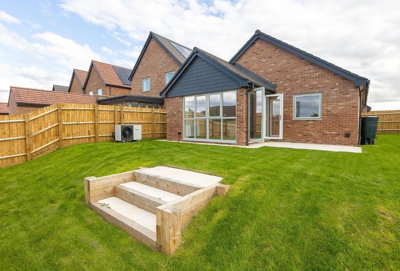
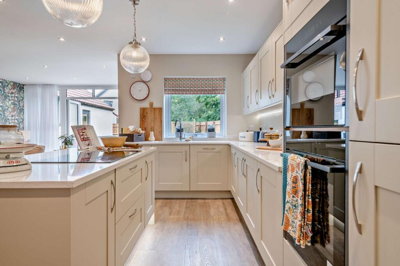
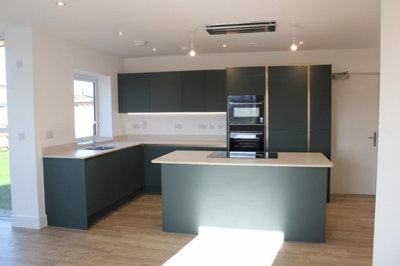
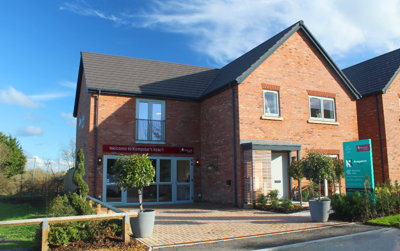
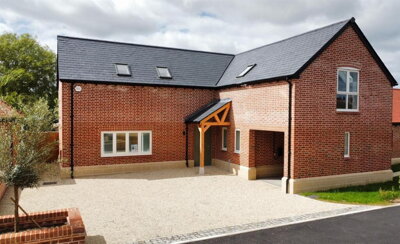
Browse 6 homes new builds in Worton from local developer agents.
The Horton property market offers a diverse selection of homes to suit various budgets and preferences. Detached properties remain the most prevalent housing type in the village, commanding prices typically ranging from £465,625 to £830,000 depending on size, condition, and location within the area. Semi-detached homes provide more affordable options, generally priced between £330,000 and £459,333, while terraced properties and flats offer entry-level opportunities starting from approximately £245,000 and £247,500 respectively. The village housing stock is predominantly detached properties at 67.5%, with semi-detached homes making up approximately 19.4% of available homes, terraced properties around 3.9%, and flats representing just 2.4% of the market.
The BH21 7JA postcode area, which covers parts of Horton, has seen property values increase by 1.2% over the past year, with a notable 20.3% growth over the past five years, demonstrating sustained demand for homes in this desirable village location. Approximately 20 to 30 properties sell annually in the DT2 7 postcode area, indicating a relatively active market for a village of Horton's size and highlighting the consistent interest in this sought-after East Dorset location. The limited supply of available properties means that buyers serious about finding a home in Horton should act promptly when suitable properties become available, as demand consistently outstrips supply in this popular village setting.
One of the most significant developments currently shaping the local market is Horton Heath, a new build project by Wyatt Homes located off Horton Road with the BH21 7NA postcode. This development offers a mix of 2, 3, 4, and 5 bedroom homes, including detached houses, semi-detached properties, and bungalows. Prices on the development start from approximately £350,000 for smaller homes and extend to over £800,000 for larger detached properties with premium specifications. The addition of new build stock has expanded options for buyers seeking modern construction methods, energy efficiency, and the reassurance of a new home warranty, while the established village properties continue to attract those seeking period features and traditional Dorset character.
The village attracts a diverse range of buyers including families seeking generous space and gardens, commuters working in Bournemouth, Poole, and Southampton, and those simply looking for a peaceful rural lifestyle without sacrificing accessibility. The predominance of larger detached homes at 67.5% shapes the village character and makes Horton particularly attractive to families needing additional living space. The BH21 7JA postcode area has seen detached properties make up around 80% of transactions, reflecting the strong demand for family homes in this desirable East Dorset location. Mobile homes and caravans account for approximately 6.8% of the local housing stock, providing additional housing options in the wider Horton area.

Horton is a small but characterful village with a population of approximately 542 residents according to the 2021 Census. The village sits at the head of a shallow Chalk valley, offering pleasant walking routes through the surrounding countryside and farmland that defines this part of East Dorset. The local community is welcoming and active, with village events bringing residents together throughout the year. Despite its small size, Horton benefits from its proximity to larger towns, meaning residents never feel isolated from essential services and amenities. The village falls under Dorset Council administration and maintains its rural character while benefiting from modern infrastructure and connectivity.
The village centre features several notable landmarks, most prominently the Church of St Wolfrida, a Grade I listed building that serves as a focal point for the community. Horton Tower, a Grade II* listed structure, stands on the edge of the village and reflects the area's historical significance. The Conservation Area, established in November 1989, encompasses much of the village and ensures that new development respects the traditional character established by historic brick-built cottages and farmhouses. The village also features several other listed buildings including Abbey House, Horton Cottage, Orchard Farm House, Hart's Cottage, Hart's Farm House, Haythorn Cottage, Peppercorn Cottage, and The Village Pump, all contributing to the rich architectural heritage of this Dorset village.
Properties in Horton showcase traditional brick construction, often in red or yellow stock brick, with rendered finishes found on many older cottages and some local stone such as flint or Purbeck stone used in the oldest buildings. The Reading Beds geology underlying the village provides fertile agricultural land and contributes to the pleasant rural landscape that attracts buyers to the area. Most traditional buildings in the Conservation Area are constructed in brick, which reinforces the visual cohesion of the village. The Church of St Wolfrida is built partly of brick and partly of Green sandstone, exemplifying the traditional materials used in the village's most historic structures.
The village is primarily a residential area whose housing market is influenced by proximity to larger employment centres such as Wimborne Minster, Ferndown, and Bournemouth and Poole. Residents benefit from easy access to daily amenities while enjoying the peace and character of a traditional Dorset village. The area between the village and Horton Tower is included within the Conservation Area, protecting the setting of these important historic buildings and maintaining the rural approach to the village that makes Horton so distinctive.

Families considering a move to Horton will find a selection of educational options within easy reach of the village. For younger children, the nearest primary schools are located in surrounding villages and towns, with several rated Good or Outstanding by Ofsted within a short journey. The rural location means that school transport arrangements are commonly available, and parents should research specific catchment areas and admissions criteria when planning a move. Primary education in the vicinity includes schools in Wimborne Minster, Colehill, and other nearby villages, providing options for families seeking both state and independent educational provision for their children.
Secondary education is well served in the wider area, with schools in Wimborne Minster and Ferndown offering comprehensive education to students from Horton and surrounding villages. The nearby towns provide a range of secondary schools, including grammar school options for academically gifted students, sixth form colleges, and further education facilities for post-16 studies. Parents are advised to check current school performance data, admissions policies, and transportation arrangements when evaluating educational provision for their family. The proximity to larger towns means that independent schools in Bournemouth and Poole are also accessible for families seeking private education options.
School catchment areas in Dorset can be competitive in popular villages like Horton, so understanding which schools serve the village before purchasing is important for families with school-age children. Several schools in the surrounding area have received Good or Outstanding ratings from Ofsted, providing families with confidence in local educational standards. When evaluating schools near Horton, parents should research current Ofsted ratings and understand the admissions criteria for each school, as catchment boundaries can change and places at popular schools are often in high demand.
Horton benefits from its strategic position, offering residents a peaceful rural lifestyle while maintaining excellent connectivity to major employment centres and transport hubs. The village is situated close to the A31, a key arterial route that provides direct access to Bournemouth, Southampton, and the wider south coast motorway network. The nearby town of Wimborne Minster offers regular bus services connecting residents to larger shopping centres, healthcare facilities, and rail stations. For commuters working in Bournemouth, Poole, or Southampton, Horton provides an attractive base that balances countryside living with practical accessibility.
The nearest railway stations are located in Poole, Bournemouth, and Southampton, offering direct services to London Waterloo with journey times typically between 1.5 and 2.5 hours depending on the specific service and departure point. Bournemouth Airport, located a short drive from Horton, provides domestic and international flights, making the village well connected for both domestic and overseas travel. Local cycling routes and footpaths provide sustainable options for short journeys, and the undulating Dorset countryside offers pleasant opportunities for recreational cycling and walking. Parking provision in the village accommodates residents and visitors, while the proximity to larger towns ensures access to comprehensive retail and entertainment facilities.
The village is primarily car-dependent for daily travel, though bus services connect Horton to nearby towns including Wimborne Minster. Rail services from Bournemouth and Poole stations provide regular connections to London and the wider rail network, with journey times to London Waterloo of approximately 2 hours. The A31 provides convenient road access to major employment centres and the M27 motorway network, making Horton practical for commuters who need to travel regularly to Southampton, Portsmouth, and beyond. Residents without cars typically rely on a combination of local bus services and rail connections from nearby towns, making advance planning essential for those who do not drive.
Start by exploring available properties in Horton using Homemove, reviewing current listings, and understanding price trends in the DT2 7 postcode area. Consider attending open viewings in the village to get a feel for different neighbourhoods and property types before making enquiries with estate agents. The village's housing stock includes historic cottages in the Conservation Area, modern homes on Horton Heath, and family homes on spacious plots, each with distinct characteristics worth experiencing firsthand before committing to a purchase.
Contact a mortgage broker or lender to obtain an agreement in principle before submitting offers on properties. Having your finances arranged strengthens your position as a buyer and demonstrates to sellers that you are a serious purchaser with secured funding available. Given that property prices in Horton typically range from £245,000 for entry-level homes to over £800,000 for large detached properties, arranging appropriate mortgage financing in advance is essential for a smooth purchasing process.
Schedule viewings of properties that match your requirements, taking time to assess the condition of homes, the surrounding neighbourhood, and proximity to schools, transport links, and local amenities. Our platform makes it easy to contact local estate agents and arrange appointments at your convenience. When viewing properties in Horton, pay particular attention to the construction type, age of the property, and any signs of damp or structural movement that may require further investigation by a qualified surveyor.
For most properties, particularly older homes in the village, we recommend booking a RICS Level 2 Survey before proceeding. This home survey identifies defects such as damp, roof issues, structural movement, and timber defects that are common in older Dorset properties. Survey costs for a typical 3-bedroom property in Horton range from approximately £450 to £650, while larger detached homes may cost between £600 and £900. Given that a significant proportion of properties in Horton are over 50 years old, a thorough survey is particularly valuable for identifying common defects in the local housing stock.
Once your offer is accepted, instruct a solicitor to handle the legal aspects of your purchase, including searches, contracts, and registration with the Land Registry. Conveyancing costs in the area typically start from around £499 for standard transactions but may increase for more complex purchases involving listed buildings or Conservation Area properties. Your solicitor will conduct local searches including drainage and water authority searches, land registry checks, and environmental searches relevant to the Horton area.
Your solicitor will coordinate with the seller's legal team to exchange contracts, at which point the transaction becomes legally binding. Completion typically follows shortly after, when the remaining funds are transferred and you receive the keys to your new Horton home. On completion day, you will meet your solicitor to sign final documents and collect your keys, ready to begin your new life in this attractive Dorset village.
Property buyers in Horton should be aware of several area-specific factors that can affect purchasing decisions and ongoing costs. Given that the village sits on Reading Beds geology, which contains clay deposits, there is a potential shrink-swell risk that can affect foundations, particularly during extended dry periods or where large trees are situated close to properties. A thorough survey can identify any signs of subsidence or foundation movement, which is especially important for the many older properties in the village that may have shallower foundations than modern standards require. The proximity of mature trees and vegetation should be assessed carefully when evaluating any property in the Conservation Area.
Surface water flooding can occur in certain areas of Horton during periods of heavy rainfall due to the undulating terrain and local topography. While river flood risk is generally low, prospective buyers should review the Environment Agency flood maps for any specific property they are considering and discuss drainage arrangements with the surveyor. For properties within the Conservation Area or those that are listed buildings, additional considerations apply regarding permitted development rights, planning restrictions, and requirements for specialist surveys. A RICS Level 3 Building Survey is often recommended for Grade I and Grade II* listed properties given their complex construction, historical significance, and the specialist knowledge required to assess their condition and any required repairs.
The predominant construction materials in Horton properties contribute to specific defect patterns that our inspectors frequently encounter. Traditional brick construction using solid walls is common in older properties, often without modern damp-proof courses, making damp and moisture penetration a regular finding in pre-war properties. Roof defects including slipped tiles, failing pointing, and deteriorated felt are commonly identified in period properties given the age of much of the local housing stock. Timber defects such as woodworm and rot can affect older structural elements, especially where damp is present or where properties have been poorly maintained over the years.
Properties in the BH21 7JA postcode area, where detached properties make up around 80% of transactions, often present challenges related to their size and age. Larger detached homes typically have more complex roof structures, additional chimneys, and more extensive timber elements that require careful inspection. Outdated electrical wiring and plumbing systems are common in properties that have not been fully modernised, and a thorough survey will identify any safety concerns or necessary upgrades that should be addressed before purchase. Our inspectors understand the specific construction methods used in East Dorset properties and can provide detailed assessments of the properties you are considering.
Property prices in Horton average around £525,000 to £587,500 depending on the data source and specific postcode area. Detached properties typically sell for between £465,625 and £830,000, while semi-detached homes generally range from £330,000 to £459,333. The BH21 7JA postcode area has seen prices increase by 1.2% over the past year and 20.3% over five years, indicating sustained demand in this desirable village location. With approximately 20 to 30 properties selling annually in the DT2 7 postcode area, the limited supply of available homes maintains strong buyer interest in this sought-after village.
Properties in Horton fall under Dorset Council administration. Council tax bands vary by individual property depending on its assessed value, ranging from Band A for lower-valued properties through to Band H for the most expensive homes. Most detached properties in Horton typically fall into Bands E through G, while smaller cottages and terraced homes may be in lower bands. Prospective buyers should check the specific band for any property they are considering through the Dorset Council website or their solicitor during conveyancing.
Horton village itself has limited primary school provision, with children typically attending schools in nearby villages and Wimborne Minster. Secondary education options in the surrounding area include schools in Wimborne and Ferndown, with several rated Good or Outstanding by Ofsted. Families should research specific catchment areas, admissions criteria, and school transport arrangements when considering a move to Horton, as school places can be competitive in popular areas. Independent schools in Bournemouth and Poole are accessible for families seeking private education options, and several schools in the wider area have received positive Ofsted ratings that provide confidence in local educational standards.
Horton is primarily a car-dependent village, though bus services operate between the village and nearby towns including Wimborne Minster. The nearest railway stations are in Poole and Bournemouth, offering regular services to London Waterloo with journey times of approximately 2 hours. The A31 provides convenient road access to Bournemouth, Southampton, and the M27 motorway network. Residents without cars typically rely on a combination of local bus services and rail connections from nearby towns, and the village is well positioned for commuters working in major employment centres along the South Coast.
Horton offers several factors that may appeal to property investors, including its rural character, proximity to major employment centres, and limited new development supply. Property values in the BH21 7JA postcode have demonstrated steady long-term growth, with a 20.3% increase over five years. The presence of the Wyatt Homes Horton Heath development has introduced modern homes to the area, but the overall supply of properties remains constrained. The village's Conservation Area status and listed buildings contribute to its desirability, though these factors also limit development potential. Investors considering Horton should weigh the strong fundamentals against the relatively small rental market in this predominantly owner-occupier village.
Stamp Duty Land Tax rates for 2024-25 are 0% on the first £250,000 of residential property purchases, 5% between £250,001 and £925,000, 10% between £925,001 and £1.5 million, and 12% on amounts exceeding £1.5 million. First-time buyers receive relief on the first £425,000, with 5% applied between £425,001 and £625,000. For most properties in Horton averaging £525,000 to £587,500, a standard buyer purchasing at the average price would pay approximately £13,750 in stamp duty. First-time buyers purchasing at average Horton prices could benefit from stamp duty savings of approximately £8,750 compared to standard buyer rates.
Given that Horton has a significant proportion of older properties, common defects include damp and moisture penetration, particularly in traditional brick-built cottages with solid walls. Roof condition issues such as slipped tiles, failing pointing, and deteriorated felt are frequently identified in period properties. Timber defects including woodworm and rot can affect older structural elements, especially where damp is present. Outdated electrical wiring and plumbing systems are common in properties that have not been modernised. Structural movement related to the underlying clay geology and foundation conditions should also be assessed carefully.
Purchasing a property in Horton involves several costs beyond the purchase price that buyers should budget for carefully. Stamp Duty Land Tax represents a significant expense, with standard rates applying 0% to the first £250,000, 5% on the portion between £250,001 and £925,000, 10% on amounts from £925,001 to £1.5 million, and 12% on anything above that threshold. For a typical detached home in Horton priced around £525,000, a standard buyer would incur approximately £13,750 in stamp duty, while a first-time buyer might benefit from relief on the first £425,000, reducing this cost to approximately £5,000.
Legal fees for conveyancing typically start from around £499 for straightforward transactions but can increase depending on the complexity of the purchase. Additional costs include search fees, Land Registry registration fees, and potentially mortgage arrangement fees depending on your lender. A RICS Level 2 Survey for a typical 3-bedroom property in Horton will cost approximately £450 to £650, while larger or more complex detached properties may require surveys priced between £600 and £900. For properties within the Conservation Area or listed buildings, additional specialist survey costs may be advisable. We recommend budgeting an additional 3% to 5% of the purchase price to cover these ancillary costs when planning your Horton property purchase.
Our inspectors frequently survey properties in Horton and understand the local construction types and common defect patterns in the village. We recommend that buyers budget for all associated costs including mortgage arrangement fees, survey costs, legal fees, and Stamp Duty when calculating their total budget for purchasing in Horton. Properties in the BH21 7JA postcode area typically represent significant investments, and ensuring that all costs are accounted for before committing to a purchase helps avoid financial surprises during the transaction process. Our team is available to discuss survey options and provide quotes tailored to specific properties you may be considering.
Properties New Builds In London

Properties New Builds In Plymouth

Properties New Builds In Liverpool

Properties New Builds In Glasgow

Properties New Builds In Sheffield

Properties New Builds In Edinburgh

Properties New Builds In Coventry

Properties New Builds In Bradford

Properties New Builds In Manchester

Properties New Builds In Birmingham

Properties New Builds In Bristol

Properties New Builds In Oxford

Properties New Builds In Leicester

Properties New Builds In Newcastle

Properties New Builds In Leeds

Properties New Builds In Southampton

Properties New Builds In Cardiff

Properties New Builds In Nottingham

Properties New Builds In Norwich

Properties New Builds In Brighton

Properties New Builds In Derby

Properties New Builds In Portsmouth

Properties New Builds In Northampton

Properties New Builds In Milton Keynes

Properties New Builds In Bournemouth

Properties New Builds In Bolton

Properties New Builds In Swansea

Properties New Builds In Swindon

Properties New Builds In Peterborough

Properties New Builds In Wolverhampton

Enter your details to see if this property is within your budget.
Loans, cards, car finance
Estimated property budget
Borrowing + deposit
You could borrow between
Typical borrowing
Monthly repayment
Est. at 4.5%
Loan-to-value
This is an estimate only. Your actual budget may vary depending on interest rates, credit history, and personal circumstances. For an accurate affordability assessment, speak to one of our free mortgage advisors.
This calculator provides estimates for illustrative purposes only and does not constitute financial advice. Your home may be repossessed if you do not keep up repayments on your mortgage. Estimates based on 4.5% interest rate, repayment mortgage. Actual rates depend on your circumstances.
Homemove is a trading name of HM Haus Group Ltd (Company No. 13873779, registered in England & Wales). Homemove Mortgages Ltd (Company No. 15947693) is an Appointed Representative of TMG Direct Limited, trading as TMG Mortgage Network, which is authorised and regulated by the Financial Conduct Authority (FRN 786245). Homemove Mortgages Ltd is entered on the FCA Register as an Appointed Representative (FRN 1022429). You can check registrations at NewRegister or by calling 0800 111 6768.

We use cookies to show you personalised content and improve your experience of our website. Find out more in our Privacy policy and Cookie policy.