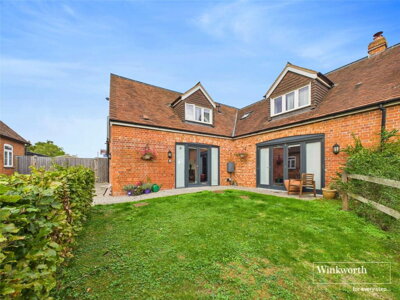
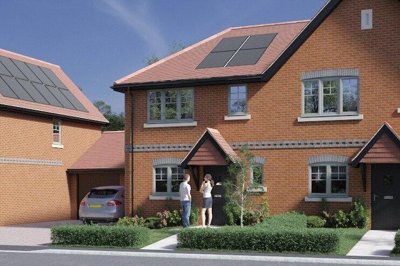
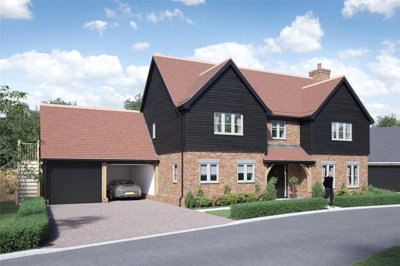
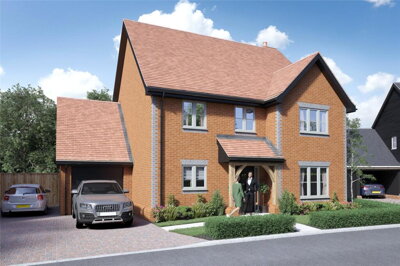
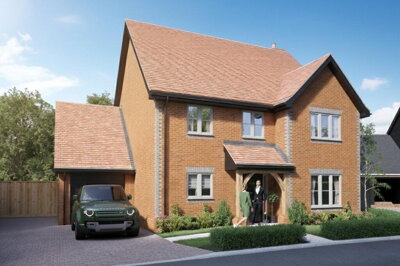
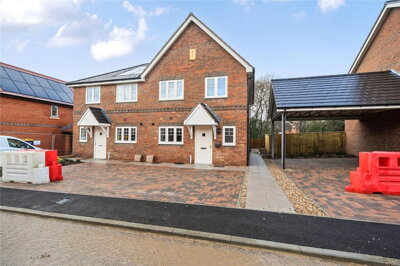
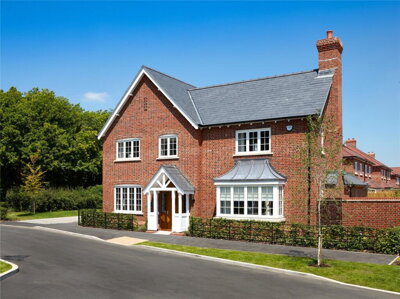
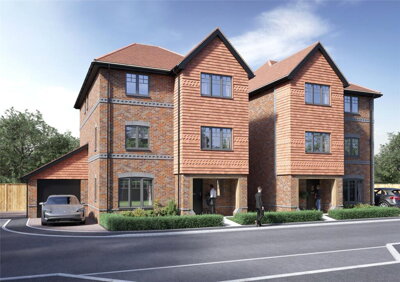
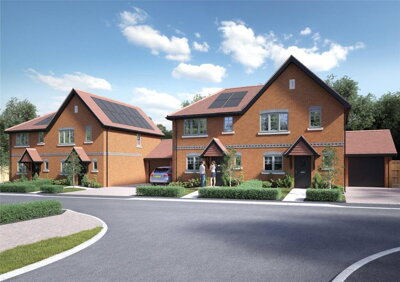
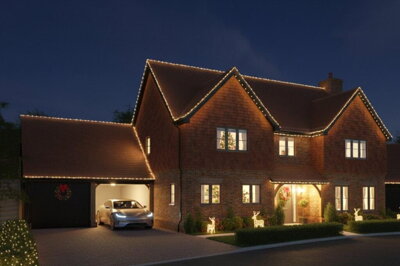
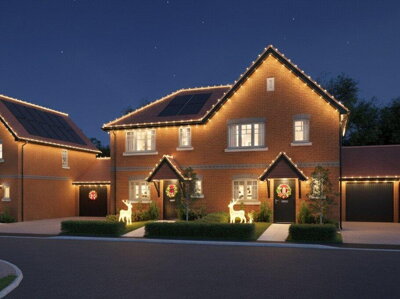
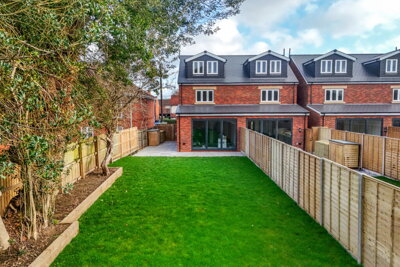
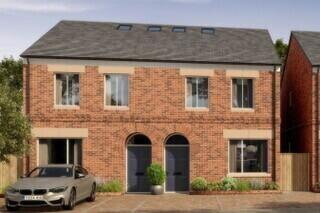
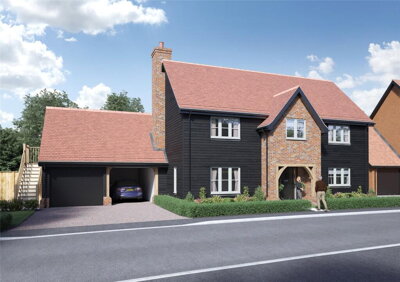
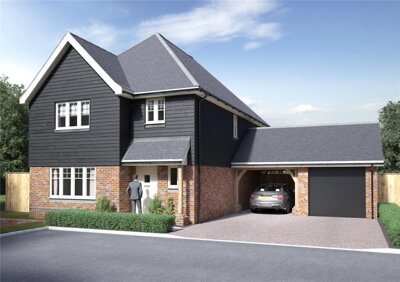
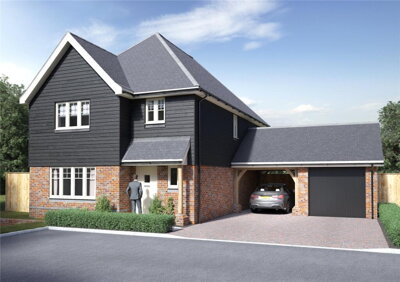
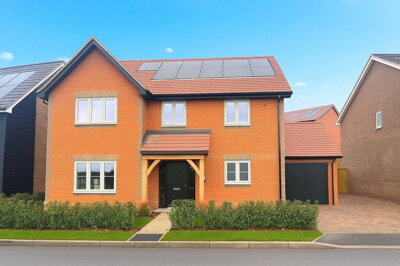
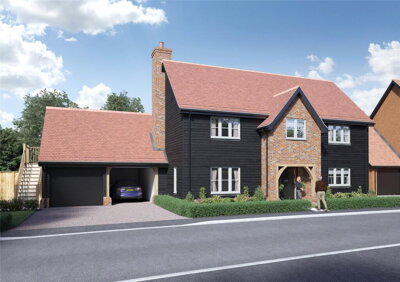
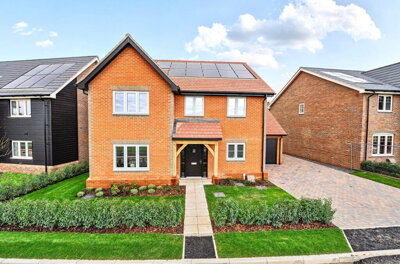
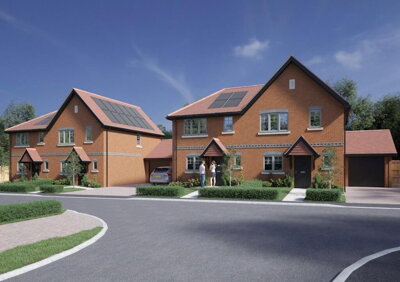
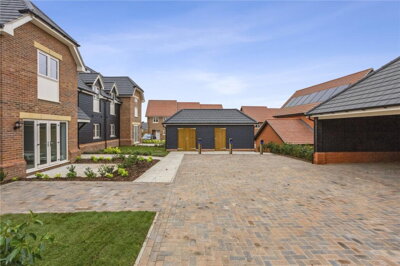
Browse 24 homes new builds in Wokefield, West Berkshire from local developer agents.
£650k
4
0
154
Source: home.co.uk
Source: home.co.uk
Detached
2 listings
Avg £1.00M
Barn Conversion
1 listings
Avg £650,000
Terraced
1 listings
Avg £650,000
Source: home.co.uk
Source: home.co.uk
The Wokefield property market has demonstrated notable resilience despite broader national fluctuations. Our data shows that the overall average house price in Wokefield over the last year was £494,129, representing a modest two percent decrease compared to the previous year. This reflects a market that has stabilised following the peak achieved in 2021 when average prices reached £498,218. For buyers, this stability presents a favourable window to enter the market without the intense competition seen during the pandemic-era boom.
Property types in Wokefield cater to diverse buyer requirements and budgets. Semi-detached properties have emerged as particularly popular, commanding an average sold price of £455,999 over the past year. These homes often feature the generous proportions and garden space that characterise the English village property. Detached homes in Wokefield attract a premium, with average prices around £643,250, reflecting the additional space and privacy they offer. Terraced properties remain the most accessible entry point to the local market at approximately £321,107, making them ideal for first-time buyers or those seeking a manageable property.
Within Wokefield, the specific enclave of Wokefield Green offers its own distinct market characteristics. Properties in this area achieved an average sold price of £595,000 in the last twelve months. This figure represents a significant correction from the peak prices seen in 2004, when the average sale reached £1,300,000. The normalisation of prices in Wokefield Green has made this area more accessible to a broader range of buyers while retaining its appeal as a prestigious village address. The drop of fifty-four percent from the 2004 peak presents interesting considerations for long-term buyers assessing value in the Wokefield property market.

Life in Wokefield embodies the essence of English village living within easy reach of major urban centres. The village forms part of the West Berkshire district, an area renowned for its scenic countryside, traditional pubs, and strong community spirit. Residents of Wokefield enjoy access to rolling farmland, country lanes perfect for walking and cycling, and the kind of peaceful environment that makes raising a family or retiring in comfort an attractive prospect. The village atmosphere fosters connections between neighbours while still offering privacy and space that city living cannot match.
The surrounding area of West Berkshire provides residents with a comprehensive range of amenities despite the rural character. The nearby town of Reading offers extensive shopping facilities, cultural venues including theatres and cinemas, and a thriving restaurant scene. For everyday necessities, the village and its immediate surroundings provide local shops, post offices, and traditional inns where the community gathers for events and celebrations. The combination of rural charm and urban accessibility makes Wokefield particularly attractive to commuters and families alike.
West Berkshire has long been recognised as one of the most desirable places to live outside London. The area consistently ranks highly for quality of life indicators, including school performance, low crime rates, and access to green spaces. Property buyers choosing Wokefield become part of a community with deep roots and a shared appreciation for the area's natural beauty. The landscape characterised by farmland, woodland, and the characteristic hedgerows of southern England provides an idyllic backdrop for daily life.

Families considering a move to Wokefield will find a strong selection of educational establishments within the West Berkshire area. The local education authority maintains a network of primary schools serving village communities, with several rated Good or Outstanding by Ofsted inspectors. Primary education in the surrounding area focuses on providing a nurturing environment where young children develop foundational academic and social skills. The village setting allows younger children to learn in smaller class sizes with dedicated teachers who know each pupil individually.
Secondary education options in West Berkshire include both comprehensive schools and grammar schools, providing families with choices tailored to their children's abilities and learning styles. Schools in the wider area have developed strong reputations for academic achievement and extracurricular activities. Many families find that the quality of education available locally eliminates the need to consider private schooling, though options for independent education exist in nearby Reading and Newbury. Sixth form provision enables older students to continue their education locally before pursuing university or vocational pathways.
For families prioritising educational outcomes, the proximity of Wokefield to several well-performing schools represents a significant advantage. Primary schools in the surrounding villages and towns provide strong foundations in literacy and numeracy, while secondary schools offer comprehensive curricula and extensive extracurricular programmes. Parents researching specific school performance should consult the Ofsted website for the latest inspection reports and performance data for individual institutions. Understanding catchment areas becomes important for families seeking places at the most oversubscribed schools in the region.

Wokefield benefits from its strategic position within West Berkshire, offering residents practical transport connections while maintaining its village character. The village is situated within reasonable distance of major road routes including the M4 motorway, which provides direct access to Reading, Swindon, Bristol, and London. This connectivity makes Wokefield particularly appealing to commuters who work in these major centres but prefer the lifestyle benefits of rural living. The journey to Reading town centre takes approximately thirty minutes by car, while London can be reached in around an hour via the M4.
Rail services from nearby stations provide additional commuting options for residents working in larger cities. Reading station offers frequent services to London Paddington with journey times of approximately twenty-five to thirty minutes, making regular commuting feasible for those employed in the capital. The station also provides connections to Oxford, Southampton, and the south coast, expanding employment opportunities for Wokefield residents. West Berkshire council continues to advocate for improved public transport links serving village communities, recognising the importance of sustainable travel options for residents who prefer not to drive.
For daily necessities, Wokefield residents typically rely on car travel to access supermarkets, medical facilities, and other services not available within the village. However, the compact nature of nearby towns means that most amenities are within a short drive. Cycling is popular among residents for local journeys, with the relatively flat terrain of the Berkshire countryside making cycling accessible to most fitness levels. Bus services connect Wokefield with surrounding villages and towns, providing an alternative for those who prefer not to drive. Planning journeys around available public transport options can help reduce the environmental impact of daily travel while taking advantage of the peaceful rural environment.

Start by exploring current property listings in Wokefield to understand what is available at your budget. With semi-detached homes averaging £455,999 and detached properties around £643,250, knowing the market helps set realistic expectations. Consider registering with local estate agents who can alert you to new listings before they appear on major property portals.
Once you have identified properties of interest, schedule viewings to assess their condition and suitability. Take time to examine the property thoroughly, checking for signs of maintenance issues, damp, or structural concerns. A viewing at different times of day can reveal aspects like noise levels, natural light, and neighbourhood activity that single visits might miss.
Before making an offer, obtain a mortgage agreement in principle from a lender. This demonstrates to sellers that you are a serious buyer with financing secured. Interest rates and mortgage products vary, so comparing options helps find the most suitable deal for your circumstances and budget.
For any property you plan to purchase, especially older homes which may have hidden defects, book a RICS Level 2 Survey before completing. This independent assessment identifies structural issues, maintenance needs, and potential problems that might affect the property value or require future expenditure. Given that many Wokefield properties date from earlier construction periods, professional survey advice proves particularly valuable.
Engage a solicitor or licensed conveyancer to handle the legal aspects of your purchase. They will conduct searches, handle contracts, and coordinate with the seller's representatives to ensure a smooth transaction. Early instruction helps prevent delays in the buying process and ensures all necessary checks are completed before completion.
Once all searches are satisfactory and finances are confirmed, you will exchange contracts and pay your deposit. Completion typically follows within days or weeks, after which you receive the keys to your new Wokefield home and can begin settling into village life.
Purchasing a property in Wokefield requires careful consideration of factors specific to this West Berkshire village location. The age of properties in the village means that many homes will have original features, traditional construction methods, and potential maintenance requirements that differ from newer builds. Understanding the construction era of your potential new home helps anticipate common issues such as outdated electrical systems, period features requiring specialist care, or foundations that may have settled over decades of weathering. A thorough survey can identify these matters before you commit to purchase.
Rural properties often sit within conservation areas or are affected by planning restrictions designed to preserve the character of the village. Before purchasing, investigate whether the property is located within any designated conservation zone and understand the implications for future alterations or extensions. Listed buildings, which are protected for their architectural or historical significance, require listed building consent for most works. These considerations can significantly impact your plans for the property and should be established early in the buying process to avoid unexpected complications.
Flood risk should be assessed for any property, particularly those near watercourses or in low-lying areas of the village. While comprehensive flood risk data specific to Wokefield was not available in our research, English properties near streams, rivers, or areas of natural drainage should be evaluated carefully. Home buyers should also consider the tenure of properties, distinguishing between freehold houses and leasehold apartments, as lease terms can affect future saleability and costs. Understanding service charges and ground rent for leasehold properties prevents unexpected financial obligations after purchase. Properties positioned at the lower end of the village near natural drainage channels warrant particular attention during the survey process.
The local housing stock in Wokefield predominantly consists of semi-detached and detached properties built during the mid to late twentieth century, with some earlier cottages adding character to the village streetscape. These property types generally offer solid construction but may have had limited modernisation over the years. When viewing properties, pay attention to the condition of roofs, gutters, and external render, as these elements often require attention on village properties of this age. The gardens associated with village homes tend to be generous compared to urban equivalents, providing valuable outdoor space but also ongoing maintenance responsibilities.

The overall average house price in Wokefield over the last year was £494,129, according to property transaction data. This represents a two percent decrease compared to the previous year, with prices now similar to the 2021 peak of £498,218. Property prices vary significantly by type, with terraced properties averaging £321,107, semi-detached homes at £455,999, and detached properties commanding around £643,250. The Wokefield Green area shows higher averages at approximately £595,000 for recent sales, reflecting the premium nature of that particular enclave within the village.
Properties in Wokefield fall under West Berkshire Council's jurisdiction for council tax purposes. Council tax bands in West Berkshire range from Band A for the lowest value properties through to Band H for the most expensive homes. Most residential properties in the village fall within Bands C through E, reflecting the mid-range property values typical of the area. Prospective buyers should check the specific band for any property they are considering, as this affects ongoing annual costs and should be factored into the overall budget for maintaining the property.
West Berkshire maintains a strong network of educational establishments, with several primary and secondary schools rated Good or Outstanding by Ofsted. Primary schools in the surrounding villages provide local education for younger children, while secondary options include both comprehensive and grammar schools serving the wider area. The proximity to Reading and Newbury provides additional educational choices including sixth form colleges and independent schools. Parents should research individual school performance data and catchment areas when evaluating the local education offer, as school places in popular villages can be competitive.
Wokefield is a rural village where car travel remains the primary means of transport for most residents. The village sits within reasonable distance of the M4 motorway, providing road connections to Reading, Swindon, and London. Rail services from nearby stations offer access to Reading, with trains to London Paddington taking approximately twenty-five to thirty minutes. Local bus services connect Wokefield with surrounding villages and towns, though frequency may be limited compared to urban routes. Residents working in nearby towns often find commuting by car most practical for daily travel, taking advantage of the straightforward motorway access from the village.
Wokefield and the wider West Berkshire area have historically demonstrated steady property value growth, making it an attractive location for property investment. The village benefits from proximity to major employment centres including Reading and the M4 corridor, ensuring continued demand for housing. The limited supply of properties in rural villages like Wokefield supports prices, while the desirable lifestyle offered by village living attracts buyers from across the region. Properties in Wokefield Green have seen significant price normalisation from the 2004 peak, potentially offering value opportunities for long-term investors who appreciate the enduring appeal of this particular village location.
Stamp Duty Land Tax applies to all property purchases in England, including Wokefield. For standard purchases, the thresholds are zero percent on the first £250,000, five percent on the portion from £250,001 to £925,000, ten percent from £925,001 to £1.5 million, and twelve percent on any amount above £1.5 million. First-time buyers benefit from increased thresholds, paying zero percent on the first £425,000 and five percent between £425,001 and £625,000, provided they meet the eligibility criteria. Given the average price of £494,129 in Wokefield, most properties will attract SDLT at the standard five percent rate on the amount above £250,000.
From £350
A detailed survey for buyers in Wokefield identifying defects in properties of all ages
From £450
A comprehensive building survey for older or complex Wokefield properties
From £80
Energy performance certificate required for Wokefield property sales
From £499
Solicitors handling legal work for your Wokefield property purchase
From 4.5% APR
Competitive mortgage rates for buying in Wokefield
Understanding the full costs of purchasing property in Wokefield extends beyond the asking price to include government taxes and professional fees. Stamp Duty Land Tax represents a significant consideration for all buyers, calculated on the purchase price of the property. For a typical Wokefield property at the current average price of £494,129, a standard buyer would pay SDLT at five percent on the portion above £250,000, resulting in a tax liability of approximately £12,206. This represents an important budget item that must be factored into your overall financial planning for the purchase.
First-time buyers purchasing properties up to £625,000 benefit from relief that increases the nil-rate threshold to £425,000. For a first-time buyer purchasing a property at the Wokefield average of £494,129, the SDLT calculation would apply five percent to the amount between £425,000 and £494,129, resulting in approximately £3,456. This relief makes property purchase more accessible for those entering the housing market for the first time. Properties priced above £625,000 do not qualify for first-time buyer relief on any portion of the purchase price.
Beyond stamp duty, buyers should budget for solicitor or conveyancer fees, typically ranging from £500 to £1,500 depending on the complexity of the transaction and the property value. Survey costs should also be considered, with a RICS Level 2 Survey for a standard Wokefield property starting from approximately £350. Additional costs include mortgage arrangement fees, valuation fees charged by lenders, and searches conducted by your solicitor including local authority, environmental, and drainage searches. Buildings insurance must be in place from the point of exchange, and removals costs complete the typical budget for a property purchase. Budgeting accurately for these costs prevents financial stress during the transaction process and ensures you have sufficient funds available to complete your Wokefield property purchase smoothly.

Properties New Builds In London

Properties New Builds In Plymouth

Properties New Builds In Liverpool

Properties New Builds In Glasgow

Properties New Builds In Sheffield

Properties New Builds In Edinburgh

Properties New Builds In Coventry

Properties New Builds In Bradford

Properties New Builds In Manchester

Properties New Builds In Birmingham

Properties New Builds In Bristol

Properties New Builds In Oxford

Properties New Builds In Leicester

Properties New Builds In Newcastle

Properties New Builds In Leeds

Properties New Builds In Southampton

Properties New Builds In Cardiff

Properties New Builds In Nottingham

Properties New Builds In Norwich

Properties New Builds In Brighton

Properties New Builds In Derby

Properties New Builds In Portsmouth

Properties New Builds In Northampton

Properties New Builds In Milton Keynes

Properties New Builds In Bournemouth

Properties New Builds In Bolton

Properties New Builds In Swansea

Properties New Builds In Swindon

Properties New Builds In Peterborough

Properties New Builds In Wolverhampton

Enter your details to see if this property is within your budget.
Loans, cards, car finance
Estimated property budget
Borrowing + deposit
You could borrow between
Typical borrowing
Monthly repayment
Est. at 4.5%
Loan-to-value
This is an estimate only. Your actual budget may vary depending on interest rates, credit history, and personal circumstances. For an accurate affordability assessment, speak to one of our free mortgage advisors.
This calculator provides estimates for illustrative purposes only and does not constitute financial advice. Your home may be repossessed if you do not keep up repayments on your mortgage. Estimates based on 4.5% interest rate, repayment mortgage. Actual rates depend on your circumstances.
Homemove is a trading name of HM Haus Group Ltd (Company No. 13873779, registered in England & Wales). Homemove Mortgages Ltd (Company No. 15947693) is an Appointed Representative of TMG Direct Limited, trading as TMG Mortgage Network, which is authorised and regulated by the Financial Conduct Authority (FRN 786245). Homemove Mortgages Ltd is entered on the FCA Register as an Appointed Representative (FRN 1022429). You can check registrations at NewRegister or by calling 0800 111 6768.

We use cookies to show you personalised content and improve your experience of our website. Find out more in our Privacy policy and Cookie policy.