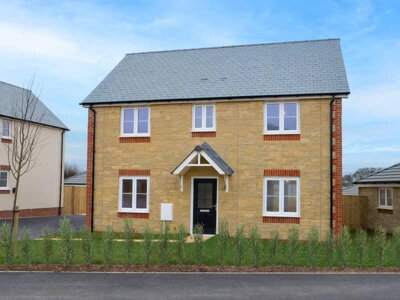
Browse 1 home new builds in Witheridge, North Devon from local developer agents.
The larger property sector typically features multiple bathrooms, substantial reception space, and private gardens or off-street parking. Four bedroom houses in Witheridge span detached, semi-detached, and occasionally terraced configurations, with styles ranging from period properties to modern executive homes.
£234k
2
0
99
Source: home.co.uk
Showing 2 results for 4 Bedroom Houses new builds in Witheridge, North Devon. The median asking price is £234,375.
Source: home.co.uk
Detached
2 listings
Avg £234,375
Source: home.co.uk
Source: home.co.uk
The Wiston property market reflects its rural character and heritage status. Property values in the BN44 3DN postcode average £597,233, with detached properties commanding an average of £640,638. Semi-detached homes typically sell for around £442,516, while terraced properties in the area average £390,837. These figures demonstrate that buyers in Wiston are investing in space, character, and the South Downs lifestyle rather than urban convenience.
Recent sales in the village demonstrate the range of properties available. A semi-detached home at 2 Stocks Field, Stocks Hill sold for £595,000 in July 2024, while a substantial detached house at Hammes Farm, Washington Road achieved £850,000 in March 2021. For those seeking something truly special, records show properties have sold for up to £2.7 million. The market in the broader BN44 postcode has seen modest corrections recently, with prices around 2% down on the previous year and 2% below the 2023 peak of £492,722. However, certain postcodes within the area have shown strong growth, with BN44 3LN rising 39% year-on-year.
One important consideration for buyers is that Wiston has no active new-build developments within the BN44 3 postcode area. Properties here are predominantly older construction, with many dating from the 16th, 17th, and 18th centuries. This means buyers are likely to encounter period features, traditional building materials such as Horsham stone and Welsh slate, and the unique character that only comes with age. If you are buying an older property, we strongly recommend arranging a RICS Level 2 survey to assess its condition thoroughly.

Life in Wiston unfolds at a gentler pace, deeply connected to the rhythms of the countryside and the changing seasons of the South Downs. The village sits at a fascinating geological crossroads, encompassing the chalky slopes of the South Downs, the wooded clay areas of the Weald, and a strip of greensand that divides these two distinct landscapes. This diverse geology creates a landscape of remarkable beauty, with rolling chalk downland, ancient woodlands, and productive farmland all within a single parish boundary.
The Wiston Estate serves as both the largest employer and the spiritual heart of the community. With over 250 staff employed across its farms, winery, and estate operations, the estate provides stable employment and anchors the local economy. The estate's Whole Estate Plan, which includes affordable housing developments in neighbouring Washington, demonstrates a long-term commitment to sustainable rural development. For residents, this means living in a community where traditional industries continue to thrive alongside newer ventures such as viticulture.
The village's heritage is exceptional, with 38 listed buildings associated with the Wiston Estate alone. Wiston House stands as a magnificent Grade I listed 16th-century country house, while the Parish Church of St Mary dates mainly from the 14th century and holds Grade II* listed status. Perhaps most remarkably, All Saints Chapel at Buncton is an 11th-century structure that became the parish church in 2009, giving Wiston one of the oldest continuously used religious sites in the country. The Round House, another Grade II listed building believed to date from the 18th century or earlier, adds to the village's architectural richness.
Families considering a move to Wiston will find a selection of educational options within reasonable driving distance. The village's small size means that primary education is typically accessed in neighbouring villages and towns, with several good primary schools serving the wider Horsham district. St Mary's CofE Primary School in Storrington is a popular choice for Wiston families, while schools in Steyning and Pulborough also serve the local area. The rural nature of the area means that school transport arrangements and catchment areas are important considerations when choosing a property in Wiston.
For secondary education, students typically travel to schools in nearby Storrington, Steyning, or Pulborough. Several of these schools have strong academic reputations and good Ofsted ratings. Steyning Grammar School serves a wide catchment area and offers a traditional academic curriculum, while The Weald School in Pulborough provides comprehensive education for the surrounding villages. Parents should research specific catchment areas and admission arrangements, as these can vary significantly depending on the precise location of a property within the parish. School bus services operate from Wiston to several secondary schools in the surrounding area, though timings and routes should be confirmed with West Sussex County Council.
For those seeking private education, there are several well-regarded independent schools in the broader West Sussex area. Sunningdale School in Pulborough offers preparatory education, while further afield parents might consider schools in Hurstpierpoint, Chichester, or Brighton. Sixth form and further education options are available at colleges in Crawley, Worthing, and Brighton, accessible via good road and rail connections from the surrounding area. Many Wiston families choose to remain in the state system given the quality of local secondary schools, but independent options are available for those seeking an alternative educational pathway.
Despite its rural setting, Wiston enjoys reasonable connectivity to major transport routes. The village lies close to the A283, providing access to the larger town of Horsham to the north and the coastal towns of Worthing and Brighton to the south. For commuters working in London, the mainline railway station at Pulborough offers regular services to London Victoria, with journey times of approximately 1 hour 30 minutes. The station at Steyning also provides connections to the capital via Brighton, though services are less frequent than from Pulborough.
The A24, which runs north-south through the Horsham district, provides direct access to the M23 motorway at Hooley, connecting to London and Gatwick Airport. Gatwick is the nearest major airport, approximately 30 minutes' drive from Wiston, making international travel highly convenient for residents. For those working in the Brighton area, the journey by car typically takes around 25-30 minutes outside of peak hours, though the route via the A283 through the South Downs can become congested during summer weekends when visitors head to the coast.
Within the village itself, a car is practically essential for daily living due to the limited public transport options. However, the South Downs Way and numerous public footpaths provide excellent opportunities for walking and cycling in the surrounding countryside. Local bus services connect Wiston to neighbouring villages, though frequencies are limited compared to urban areas. The 100 bus service operated by Stagecoach provides connections to Horsham, Storrington, and Worthing, but weekday-only services mean evening and weekend travel requires planning. The Wiston Estate itself offers extensive rural walks and bridleways for residents to explore the parish's diverse landscapes.
Start by exploring listings in Wiston and the wider BN44 postcode area. With limited stock and many period properties, the market moves differently here than in towns. Set up property alerts to stay informed about new listings as they come to market, as desirable properties in this village can attract multiple interested parties.
Visit properties that meet your criteria and spend time exploring the village at different times of day. Speak to residents about what it is like to live in Wiston, and visit local amenities in neighbouring villages. Take time to walk the surrounding footpaths and understand how the Wiston Estate fits into daily life in the parish.
Speak to a mortgage broker to understand your borrowing capacity. Properties in Wiston range from £300,000 to over £2 million, so knowing your budget before viewing helps narrow your search. Specialist rural and listed property lenders may be appropriate for certain properties, and a broker can advise on the best options for heritage properties.
Given the age of many properties in Wiston, a thorough survey is essential. The RICS Level 2 Home Survey costs between £400 and £1,000 depending on property value, and will identify any structural issues, damp, or outdated electrics. Our team of RICS-qualified inspectors has extensive experience with period properties across West Sussex and will provide a detailed assessment of the property's condition.
Your solicitor will handle searches, contracts, and legal checks specific to West Sussex and the Horsham district. They will also investigate any planning restrictions related to the listed buildings or conservation area status. Given the prevalence of listed properties in Wiston, conveyancing can be more complex than standard purchases, so choose a solicitor with experience in heritage properties.
Once all searches are satisfactory and contracts are signed, you will exchange deposits and agree a completion date. On completion day, you will receive the keys and can move into your new Wiston home. Our team can recommend trusted conveyancing partners who understand the local market and can guide you through the process smoothly.
Buying a property in Wiston requires careful attention to several factors specific to rural West Sussex. The presence of clay soils in the Weald areas of the parish creates a potential shrink-swell risk that can affect foundations. If you are considering a property on clay ground, ensure your survey investigates foundation conditions and any signs of past movement. Older properties may have shallower foundations that are more susceptible to seasonal ground conditions, particularly during prolonged dry spells or periods of heavy rainfall.
With 38 listed buildings concentrated in the village, many Wiston properties will carry listed building status, which brings both privileges and responsibilities. Listed buildings cannot be altered, extended, or demolished without Listed Building Consent from Horsham District Council. Before purchasing, ensure you understand the implications for any future renovations you may wish to undertake. Some properties may have conditions attached to their listing that restrict certain works, and budget accordingly for any restoration or improvement projects.
Building materials in older Wiston properties reflect the local geology and construction traditions. Traditional Horsham stone, once common on roofs throughout the area, has often been replaced with natural slate from Wales, Cumbria, Spain, or China due to durability concerns. Properties with original Horsham stone roofing may require ongoing maintenance and specialist repair work. Lime mortar was traditionally used in construction, and its use in restoration work is now considered best practice for period properties. If considering a property with modern cement mortar, this could indicate previous renovation work that may affect the building's breathability and long-term condition. Our inspectors pay close attention to these details when assessing period properties in the Wiston area.
The predominantly older housing stock in Wiston reflects centuries of building traditions specific to West Sussex and the South Downs region. Properties dating from the 16th, 17th, and 18th centuries were typically constructed using local materials readily available in the parish. Horsham stone, a distinctive iron-stained sandstone from local quarries, was widely used for roofing and walling until the early 20th century. This traditional material gives many village properties their characteristic appearance, though the majority of original Horsham stone roofs have now been replaced due to the material's susceptibility to weathering.
Wiston House itself provides an instructive example of local building practices, having originally featured Horsham stone coverings that were subsequently replaced with natural slate when the stone began to fail. Our inspectors have noted that this pattern is common across the wider BN44 postcode area, where the replacement of Horsham stone with Welsh or Cumbrian slate became standard practice from the late Victorian period onwards. Understanding this history helps buyers appreciate why some properties may have a mix of traditional and modern roofing materials.
Solid-wall construction is prevalent throughout Wiston's older properties, meaning that internal insulation and damp-proofing solutions must be carefully considered. Unlike modern cavity-walled properties, solid-walled buildings require breathable materials for any insulation work to prevent moisture accumulation within the wall structure. The use of lime mortar instead of cement is essential for repairs to traditional solid walls, as lime allows the building to breathe and moisture to evaporate naturally. Our team always checks for signs of inappropriate cement-based repairs when surveying period properties in Wiston.
Given Wiston's predominantly older housing stock, certain defect types recur frequently in our surveys of local properties. Damp in solid-walled properties is perhaps the most common issue our inspectors encounter, particularly in properties where modern paint or cement-based renders have been applied. These materials trap moisture within the wall, leading to deterioration of timber elements and potential health concerns for occupants. Properties set back from the road, such as those along Stocks Hill or Hole Street, may be particularly susceptible to damp due to ground levels and limited airflow.
Roof condition issues are another frequent finding in Wiston surveys. Properties with original or replacement slate tiles can suffer from cracked or slipped tiles, particularly after severe weather events common in West Sussex. Lead flashings around chimneys and dormers often require attention in properties of this age, and our inspectors always examine these areas carefully. Properties still retaining Horsham stone roofing may show signs of biological growth, cracking, or structural failure of the stone tiles themselves.
Outdated electrical wiring and plumbing are concerns in any pre-1980 property, and Wiston is no exception. Our inspectors regularly find that consumer units have not been updated, that original wiring remains in place, and that plumbing systems rely on materials no longer considered best practice. A thorough electrical inspection should accompany any survey recommendation for properties where the wiring age is uncertain. Timber defects, including both wet and dry rot as well as beetle activity, can affect structural elements in properties with any damp issues or where timber has been exposed to moisture over extended periods.
The BN44 postcode district, which covers Wiston, shows an overall average property price of £480,783 over the last year. Within the BN44 3DN postcode specifically, the average is £597,233. Detached properties average £640,638, semi-detached homes £442,516, and terraced properties around £390,837. Individual properties have sold for between £595,000 for semi-detached homes to over £2.7 million for exceptional period properties in the village.
Properties in Wiston fall under Horsham District Council. Council tax bands vary by property depending on value and character. As Wiston contains many period and listed properties, specific bands should be confirmed with the local authority or on the valuation office website. The rural nature of the village means that larger detached properties may attract higher bands, with most family homes falling into bands D through F.
Primary schools in the surrounding villages serve Wiston families, with St Mary's CofE Primary School in Storrington being a popular choice. Secondary schools in Storrington, Steyning, and Pulborough are accessible by school transport, with Steyning Grammar School and The Weald School serving the local catchment area. The wider West Sussex area offers several highly regarded independent schools for families seeking private education. Specific catchment areas should be verified with West Sussex County Council as they can affect which schools your children can attend.
Wiston is a rural village where a car is essential for daily travel. Pulborough railway station, approximately 5 miles away, provides mainline services to London Victoria in around 1 hour 30 minutes. Limited bus services connect Wiston to neighbouring villages, with the 100 service operating to Horsham, Storrington, and Worthing on weekdays. The A283 provides road access to Horsham and the coast, while the A24 connects to the M23 motorway for London and Gatwick Airport, approximately 30 minutes away.
Wiston offers strong appeal for buyers seeking a peaceful rural lifestyle with excellent heritage credentials. Property values in the broader BN44 area have shown resilience, with the BN44 3DN postcode rising 25.7% over the last 10 years. The Wiston Estate's ongoing investment in sustainable farming and viticulture supports long-term community vitality. Properties in conservation areas and those with listed building status tend to hold their value well, though future flexibility for alterations may be limited by planning requirements.
Stamp duty rates for 2024-25 are 0% on the first £250,000 of residential purchases, 5% on £250,001 to £925,000, 10% on £925,001 to £1.5 million, and 12% above £1.5 million. First-time buyers pay 0% on the first £425,000 and 5% on £425,001 to £625,000. Given Wiston's average property prices, most buyers will pay stamp duty at the standard rates. For a typical detached property at around £640,000, a buyer would pay approximately £19,500 in stamp duty.
Given Wiston's predominantly older housing stock, common defects include damp in solid-walled properties where modern materials have been incorrectly applied, roof condition issues with period tiles or slate, outdated electrical wiring and plumbing in pre-1980 properties, and timber defects such as rot or beetle activity. Clay soil conditions in parts of the parish may cause foundation movement, and our inspectors always assess these risks carefully. A thorough RICS Level 2 survey is strongly recommended for all purchases in the village to identify these issues before completion.
The age and character of properties in Wiston mean that professional survey assessment is particularly valuable. Our RICS-qualified inspectors have extensive experience with period properties across the BN44 postcode area and understand the specific issues that affect traditional West Sussex construction. They will assess structural condition, identify damp risks, evaluate roofing and timbers, and provide detailed advice on any repairs or maintenance required. Given that most Wiston properties date from before 1900 and many carry listed status, expert guidance is essential before committing to purchase.
When purchasing a property in Wiston, budget carefully for the additional costs beyond the purchase price. Stamp Duty Land Tax applies to all residential purchases above £250,000 at standard rates. For a typical detached property in Wiston at around £640,000, you would pay nothing on the first £250,000, then £19,500 on the portion between £250,001 and £640,000, totalling £19,500 in stamp duty. First-time buyers benefit from relief on the first £425,000, reducing their stamp duty bill significantly on properties within that threshold.
Survey costs are an important consideration given the age of Wiston's housing stock. A RICS Level 2 Home Survey typically costs between £416 and £639 depending on property value and size. For a property over £500,000, expect to pay around £586 on average. This investment is money well spent, identifying potential issues with period construction, roofing, damp, or outdated services before you commit to purchase. For more complex or historic properties, a RICS Level 3 Survey may be more appropriate, providing a more detailed assessment of structural condition and defects.
Conveyancing costs in West Sussex typically start from £499 for straightforward purchases and increase for leasehold properties, listed buildings, or transactions involving additional legal complexity. Search fees, Land Registry fees, and teleport fees will add several hundred pounds to your legal costs. If you are purchasing with a mortgage, factor in arrangement fees, valuation fees, and broker costs. Our partner services can provide competitive quotes for all these requirements, and we recommend obtaining quotes from at least two providers to ensure best value.

Properties New Builds In London

Properties New Builds In Plymouth

Properties New Builds In Liverpool

Properties New Builds In Glasgow

Properties New Builds In Sheffield

Properties New Builds In Edinburgh

Properties New Builds In Coventry

Properties New Builds In Bradford

Properties New Builds In Manchester

Properties New Builds In Birmingham

Properties New Builds In Bristol

Properties New Builds In Oxford

Properties New Builds In Leicester

Properties New Builds In Newcastle

Properties New Builds In Leeds

Properties New Builds In Southampton

Properties New Builds In Cardiff

Properties New Builds In Nottingham

Properties New Builds In Norwich

Properties New Builds In Brighton

Properties New Builds In Derby

Properties New Builds In Portsmouth

Properties New Builds In Northampton

Properties New Builds In Milton Keynes

Properties New Builds In Bournemouth

Properties New Builds In Bolton

Properties New Builds In Swansea

Properties New Builds In Swindon

Properties New Builds In Peterborough

Properties New Builds In Wolverhampton

Enter your details to see if this property is within your budget.
Loans, cards, car finance
Estimated property budget
Borrowing + deposit
You could borrow between
Typical borrowing
Monthly repayment
Est. at 4.5%
Loan-to-value
This is an estimate only. Your actual budget may vary depending on interest rates, credit history, and personal circumstances. For an accurate affordability assessment, speak to one of our free mortgage advisors.
This calculator provides estimates for illustrative purposes only and does not constitute financial advice. Your home may be repossessed if you do not keep up repayments on your mortgage. Estimates based on 4.5% interest rate, repayment mortgage. Actual rates depend on your circumstances.
Homemove is a trading name of HM Haus Group Ltd (Company No. 13873779, registered in England & Wales). Homemove Mortgages Ltd (Company No. 15947693) is an Appointed Representative of TMG Direct Limited, trading as TMG Mortgage Network, which is authorised and regulated by the Financial Conduct Authority (FRN 786245). Homemove Mortgages Ltd is entered on the FCA Register as an Appointed Representative (FRN 1022429). You can check registrations at NewRegister or by calling 0800 111 6768.

We use cookies to show you personalised content and improve your experience of our website. Find out more in our Privacy policy and Cookie policy.